
How to Create a Detailed Event Checklist for Seamless Planning

Creating a detailed event checklist is essential for anyone looking to plan a successful gathering. A well-structured checklist guides the planner through the event planning process, ensuring that no important detail is overlooked. By breaking down the event planning guide into manageable steps, they can streamline their tasks and minimize stress. To develop an effective event checklist, it is important to first outline key components such as venue selection, guest lists, and logistics. Each step should be listed in sequential order, making it easier to track progress throughout the planning journey. This approach not only helps you in organizing tasks but also provides clarity on responsibilities, making event execution smoother. Utilizing a detailed checklist allows planners to anticipate challenges and adapt their strategies accordingly. This proactive method fosters confidence as they navigate the complexities of the event planning process. With an organized checklist in hand, they are better equipped to execute their plans successfully. Setting Event Goals and Objectives Establishing clear goals and objectives is essential for the success of any event. This process involves identifying your target audience and crafting a strategic marketing plan tailored to their interests. Identifying Target Audience Understanding your target audience shapes the event’s direction and effectiveness. Marketers should begin by researching demographics, behavior patterns, and preferences. Demographics Collect information about age, gender, income, and education. This data helps in tailoring content and activities. Behavior Patterns Assess what the audience values. Are they looking for networking opportunities, knowledge acquisition, or entertainment? Preferences Determine the types of events that resonate most with the target group. Surveys or focus groups can be effective here. This information drives decisions on event type, venue, and timing, ensuring a focused approach to engage the right attendees. Developing a Marketing Plan A well-structured marketing plan is vital for reaching the identified audience. This plan should include specific strategies for promotion and engagement. Set Clear Goals Define measurable objectives, such as ticket sales or audience attendance. Identify key performance indicators to evaluate success. Choose Marketing Channels Utilize a mix of online and offline channels. Options include social media, email marketing, and traditional print advertising. Content Creation Develop relatable content that speaks directly to the audience’s interests. This could include blog posts, videos, or infographics to attract engagement. Budgeting Allocate resources effectively to cover promotional costs. Assess the return on investment (ROI) for chosen marketing strategies. These elements create a comprehensive event marketing strategy, ensuring effective outreach and a higher likelihood of achieving set objectives. Planning and Budgeting Effective planning and budgeting are crucial for your event success. A detailed checklist and financial strategy help manage resources efficiently and ensure all critical elements are considered. Whether you’re planning the event yourself or working with an event company singapore, or a company local to you, having a clear plan in place will help streamline the process, prevent unexpected costs, and ensure a seamless experience for attendees. This section outlines the key components needed to create a successful event. Creating an Event Checklist An event checklist serves as a roadmap for your planning. It should include essential tasks such as venue selection, catering options, equipment rentals, and logistics. Each item must have deadlines and responsible parties assigned. Key components to include: Venue details: Choose the right location that involves considering capacity, accessibility, and parking to accommodate your guests comfortably. A well-located venue ensures convenience and enhances the overall event experience. Catering: Menu selection should cater to diverse dietary needs while ensuring high-quality food service. Whether buffet-style or plated meals, timely delivery and presentation play a crucial role in your guest satisfaction. Supplies: High-quality AV equipment guarantees seamless communication and entertainment, while well-planned seating arrangements provide comfort and organization. Thoughtful decorations set the tone and enhance the event’s aesthetic appeal. Restroom facilities: Often overlooked but essential for a smooth event, proper restroom facilities ensure guest comfort and hygiene. And, all you need for commercial toilets are well-placed units, regular maintenance, and adequate supplies to accommodate attendees efficiently. Regularly updating the checklist ensures nothing is overlooked. It also aids in assigning tasks and tracking progress. Budgeting and Financial Management A well-structured budget is vital for your financial control. It should outline all anticipated costs, including venue rental, catering fees, entertainment, and materials. To create a budget: List all categories: Venue, transportation, food and beverage, advertising, etc. Estimate costs: Research and obtain quotes for each category. Allocate funds: Prioritize spending based on event goals. Monitoring expenses against the budget is necessary to avoid overspending. Using budgeting tools or software can streamline this process. Choosing the speakers An event can go from mediocre to extraordinary if the right speakers are invited. Depending on the nature of your event, choose a speaker who can engage the audience. Things to consider when looking for speakers: Target audience: Keep the preferences and interests of your target audience in mind and pick a speaker who can cater to those. Niche: Choose a speaker who has expertise in your niche so that they can add value to your event. Management: From outreaching and negotiation to contract management. If you need assistance finding suitable speakers, visit endorsco.agency or similar companies who can make the search easier and find you a good match, enlivening your event. Selecting Vendors and Suppliers Choosing reliable vendors and suppliers is critical. This includes catering, AV services, and decor providers. They can significantly impact event quality. Steps for vendor selection: Research options: Look for reputable vendors with strong reviews. Issue RFPs: Request proposals from multiple vendors to compare services and pricing. Evaluate contracts: Review terms carefully before signing. Maintaining good vendor relationships ensures better service and potential cost savings. Effective vendor management is essential for a smooth event execution. Execution and Management Efficient execution and management of an event is essential for its success. This includes careful attention to venue logistics, effective marketing strategies, and seamless coordination on the event day. Venue and Logistics Selecting the right venue is crucial for setting the event’s tone. Factors such as capacity, location,
Kitchen Smart Technology: Revolutionizing Modern Cooking and Home Efficiency
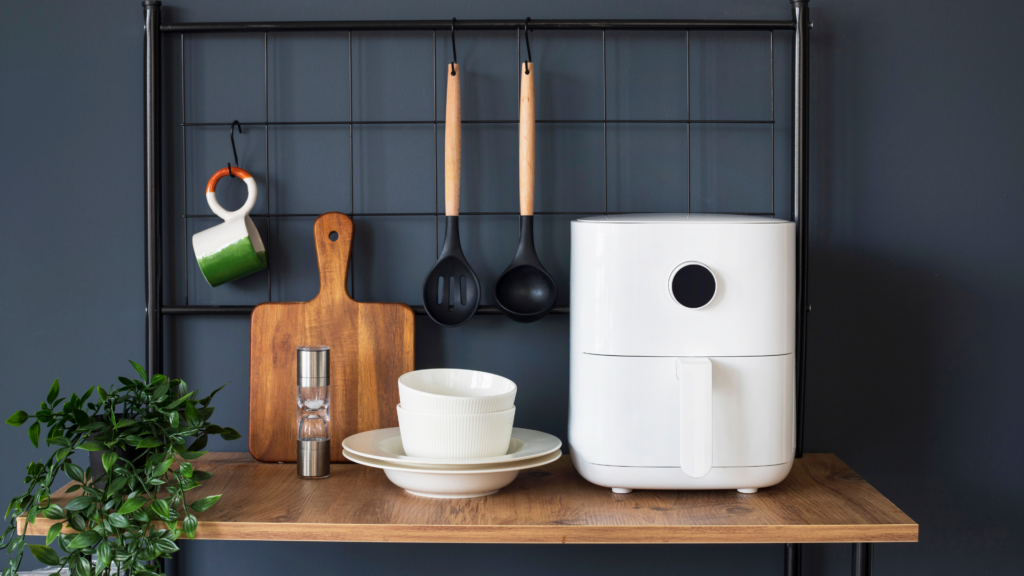
The kitchen is becoming a hub of innovation as smart technology transforms how cooking and food preparation occurs. From smart refrigerators that track inventory to voice-activated assistants that help with recipes, these advancements are designed to streamline daily tasks and enhance culinary creativity. Smart technology in the kitchen not only saves time but also promotes efficiency, making cooking more enjoyable and less stressful. As this technology continues to evolve, it introduces new capabilities that cater to various culinary needs. Smart appliances can connect to home networks, allowing users to control them remotely and receive updates about their meals. This connectivity enhances meal planning and reduces food waste, showcasing how technology can improve everyday life. Embracing kitchen smart technology offers a glimpse into the future of cooking. Many homeowners choose to integrate these innovations during a kitchen remodel, taking advantage of the opportunity to upgrade appliances and optimize their space. With benefits ranging from ease of use to improved meal management, it is clear that these advancements are reshaping how people interact with their kitchens and can elevate any home cooking experience. Evolution of Kitchen Smart Technology Kitchen smart technology has significantly transformed over the last few decades. Initial advancements included basic electrical appliances, like toasters and microwaves, which introduced convenience. In the 1990s, the integration of timers and programmable features improved functionality. This era marked the introduction of devices such as coffee makers with timers, allowing users to automate brewing. With the rise of the internet in the 2000s, smart technology began to evolve. Wi-Fi-enabled appliances emerged, allowing for remote control and monitoring via smartphones. Notable devices include: Smart refrigerators: These offer features like internal cameras and grocery inventory tracking. Smart ovens: Many can be controlled remotely and offer guided cooking techniques. The advent of voice-activated assistants has propelled further integration. Users can now rely on smart speakers to control kitchen devices hands-free, making cooking more intuitive. Recent developments focus on advanced artificial intelligence, providing personalized recipes and cooking tips based on user preferences. Additionally, energy-efficient smart appliances help users monitor and reduce energy consumption. The continuous evolution of kitchen smart technology emphasizes automation, connectivity, and user convenience, reflecting a broader trend in the smart home landscape. The Smart Kitchen Ecosystem The smart kitchen ecosystem integrates various technologies to enhance efficiency and convenience in cooking and food management. It includes smart appliances, integrated systems, and IoT connectivity that together create a cohesive environment. Smart Appliances Smart appliances serve as the backbone of the smart kitchen. These devices include refrigerators, ovens, dishwashers, and microwaves that offer advanced functionalities. Many smart refrigerators can monitor inventory and suggest recipes based on available ingredients. Smart ovens often come with features such as remote preheating and cooking programs that users can control via mobile apps. Dishwashers now feature sensors that adjust water usage based on load size. These appliances communicate with each other, allowing for synchronized cooking and cleaning processes. Integrated Systems Integrated systems are designed to centralize controls within the kitchen. These systems often utilize a hub or app that connects all smart devices, making management seamless. For instance, a kitchen hub might allow a user to adjust the oven temperature while monitoring the refrigerator’s content. Voice-activated systems, such as Amazon Alexa or Google Assistant, play a crucial role in integration. They enable users to control appliances hands-free—like starting a coffee maker while prepping ingredients. This integration enhances convenience and fosters a more cohesive kitchen experience. IoT Connectivity IoT connectivity allows appliances to communicate over the internet, creating a networked kitchen environment. Each smart device collects data and exchanges information to optimize performance. For example, a smart thermostat can adjust based on the user’s cooking habits to maintain comfortable temperatures. Additionally, connectivity enables remote access. Users can check their kitchen appliances’ status from anywhere. Notifications can alert users about cooking times or maintenance needs, enhancing user engagement and appliance longevity. This interconnectivity is fundamental to the functionality of the smart kitchen ecosystem. Leading Smart Kitchen Devices Smart kitchen devices enhance functionality, convenience, and efficiency in modern kitchens. They integrate technology to transform everyday cooking and food management tasks. Smart Refrigerators Smart refrigerators feature advanced connectivity options that enable users to monitor and manage food inventory remotely. Many models include touchscreens, allowing for easy access to recipes and meal-planning tools. These devices often come equipped with cameras that scan the contents and notify users when items are running low. Energy-saving modes can significantly reduce electricity usage, contributing to both environmental sustainability and decreased utility bills. Brands like Samsung and LG offer models with built-in voice assistants for hands-free operation. Additional features include food expiration tracking and customizable temperature settings for specific compartments. This technology ultimately keeps food fresher and reduces waste. Smart Ovens and Stoves Smart ovens and stoves offer precision cooking through Wi-Fi connectivity. Users can control cooking functions from their smartphones, enabling remote cooking adjustments and preheating. Many smart ovens come with integrated cooking programs that adjust temperature and cooking time based on recipes. They often feature sensors that monitor food doneness, allowing for perfect results. Voice-activated controls are also a common feature, enhancing usability. Leading brands like Breville and GE provide models that integrate with smart home systems, allowing seamless integration with other devices. These appliances can also send notifications when cooking is complete, ensuring a stress-free experience in the kitchen. Smart Cookware and Utensils Smart cookware and utensils include innovative products that improve cooking techniques. Intelligent pots and pans can monitor temperature and adjust cooking times automatically. Devices like smart thermometers allow users to track internal food temperatures from their smartphones. Using a connected food thermometer can help ensure that dishes reach safe and optimal cooking temperatures, especially when preparing meats or delicate recipes. This ensures meats are cooked to perfection without constant monitoring. Other connected kitchen tools include smart scales that can help with precise ingredient measurements. Brands such as Instant Pot and Anova are leading in this category, offering sous-vide devices that simplify gourmet cooking. These advanced tools
Cooking Paleo: The Essential To Preparing Delicious And Healthy Meals

Eating healthy is a goal that many of us strive for, but knowing what to cook and how to make it can be quite a challenge. In this article, we’ll cover the basics of cooking Paleo-style meals, from the ingredients you’ll need to the tips and tricks that will help you get creative in the kitchen. Get ready to discover how simple and delicious Paleo cooking can be! What is the Paleo Diet? The Paleo diet is a nutrient-dense whole foods diet based on eating various quality meat, seafood, eggs, vegetables, fruits, nuts, and seeds. It eliminates processed foods, grains, sugar, dairy, legumes, and starches. This diet is based on believing that our bodies are designed to function optimally when fueled by the nutrients found in whole foods. Processed foods, grains, sugar, dairy, legumes, and starches can cause various health problems, including weight gain, inflammation, and digestive issues. Paleo followers believe that by eliminating these problematic foods and eating a nutrient-dense diet of whole foods, they can achieve optimum health. There is a growing body of research supporting the health benefits of the Paleo diet. Benefits of the Paleo Diet There are many benefits to following the Paleo diet, including improved health and weight loss. The Paleo diet is based on eating whole, unprocessed foods naturally low in calories and nutritious. This type of eating has been shown to improve health and help with weight loss. Following a Paleo diet can improve cholesterol levels and blood sugar control. The Paleo diet can also help reduce inflammation, which is linked to many chronic diseases. In addition, the Paleo diet is high in fiber and healthy fats, which are essential for good health. Essential Kitchen Tools for Paleo Cooking Paleo cooking is all about creating healthy, nutritious meals using simple, whole ingredients. And while you don’t need a ton of kitchen gadgets and gizmos to make delicious Paleo meals, there are a few essential tools that can make your life in the kitchen a lot easier. Here are the necessary kitchen tools for Paleo cooking: A good quality knife: A sharp knife is an important tool for any cook, but it’s essential when following the Paleo diet. Many recipes require chopping and slicing of fresh produce and meats, so having a good quality knife will make prep work a lot easier. A food processor: This can be a big help when making Paleo meals, especially if you’re new to the diet. It can chop vegetables, blend sauces and dressings, and even make homemade nut butter. A slow cooker: This is a great way to cook tough cuts of meat that would otherwise take forever to cook on the stovetop. It’s also perfect for making soups, stews, and other one-pot dishes. An Instant Pot: An Instant Pot is a newer kitchen gadget quickly becoming a favorite among Paleo cooks. It’s essentially an electric pressure cooker that can cook food quickly and easily. It’s perfect for busy weeknights when you want to get dinner on the table fast. Types of Foods Allowed on the Paleo Diet There are a variety of foods that are allowed on the Paleo diet. These include meats, fish, fruits, vegetables, nuts, and seeds. Meats such as chicken, beef, and pork are allowed. Fish such as salmon, tuna, and trout are also allowed. Fruits and vegetables such as apples, bananas, carrots, and spinach are permitted. Nuts and seeds such as almonds and sunflower seeds are also allowed. How to Plan and Prepare Paleo Meals If you’re following the Paleo diet, you know that simple, whole foods are essential. But just because your meals are healthy doesn’t mean they have to be boring. With some planning and prep work, you can whip up delicious Paleo meals that will make eating healthy a breeze. Here’s how to get started: Make a list of your favorite Paleo-friendly foods. This could include anything from vegetables and fruits to lean meats and seafood. Stock your kitchen with these items, so you always have them for meal prep. When it comes time to cook, plan by choosing recipes that fit into your busy schedule. You can even make some meals ahead of time to save time during the week. Don’t be afraid to get creative in the kitchen! There are endless possibilities when it comes to creating delicious Paleo meals. Just use your imagination and get creative with your ingredients. By following these tips, you’ll be well on your way to cooking up delicious and healthy Paleo meals every day of the week! Sample Recipes Paleo cooking is all about simple, fresh ingredients. Here are some delicious paleo recipes to get you started: Lemon and herb-roasted chicken breasts Creamy cauliflower and bacon soup Roasted Brussels sprouts with balsamic vinegar Grilled salmon with avocado salsa Chicken piccata with zucchini noodles Beef chili with sweet potato “toast.” Cooking Paleo can be difficult for a beginner, but with the correct information and guidance, it can be a gratifying and enjoyable experience! We hope that this article has helped provide you with the essential knowledge to get started. With some practice, you’ll soon be creating delicious paleo meals that everyone will love. If you’re looking for more tasty recipes or would like additional help on your cooking journey, there are plenty of resources available online to suit all skill levels. Enjoy exploring the world of paleo cooking today!
Family Reunion Ideas: 8 Tips On Putting Together An Awesome Family Reunion

Do you feel that your family bonds need to be reinforced? Do you want to create memories of your loved ones for years? If so, solid family reunion ideas are needed. It is a great way to bond and spend time together, creating memories that we can cherish for years. It is a great way to keep your extended family together. How do you experience extraordinary family reunions? Keep reading to learn eight tips on putting together an inspiring family reunion. Decide the When and Where of the Reunion When deciding the when and where of a family reunion, consider the number of family members. If you have a lot of out-of-town families, find a location that is easy for everyone. They will also appreciate your choosing a time that works, like a long weekend. Consider the ages of those attending and find a venue that provides activities for all members. Additionally, book the venue early to ensure you secure the place and time perfectly. Choose a Theme Themed reunions can provide an effective way of getting the family together and making lasting memories. Choosing an appropriate theme can take some thought and reflection. When thinking of what concept will work best with your family’s personalities, consider engaging activities that can be moderately diverse and engaging for everyone involved. To make the right decision on what theme to choose, think back to the times your family has had the most fun together. Maybe it was a camping trip or a yearly family vacation to a beach or lake. Get the Word Out Inviting distant family members by mail can take a long time and is not always effective. Social media can help spread the word quickly and efficiently. Create an event on Facebook or other social media websites, post on Instagram Stories, or create an event hashtag and online group chat where the family can post updates. Reach out to family members via emails, text messages, or by calling. It may also be helpful to create a blog or website for the family reunion. This way, all the essential information will be in one easily accessible place, making it easier for family members to stay up-to-date. Set up an Agenda Start by creating a timeline for the event. Make sure to include meal times, plan for outdoor activities, and set aside time for socializing. Once the timeframe is confirmed, you can start planning the activities. Let family members share ideas on what they would like to do. If your family is large, you may need to break them into smaller groups for various activities. Setting up an agenda puts the structure into the reunion and lets everyone know what to expect in advance. You may have a divide of adrenaline junkies and relaxers. Set up some outdoor adventures like hiking or going on nature trails for those who love nature, and then plan for the laid back lovers to go for a massage (you will want to search for professionals in the area so type in something like “Massage spa near me in Temple Terrace, FL” for instance) to give them that calm bliss they adore. If you know where to look you can do this in no time. Also, Group activities that get everyone on the water are often especially popular, creating shared experiences that appeal to all ages. A day at sea offers the perfect balance of excitement and relaxation for families. Booking Tamarindo fishing charters, or similar guided trips, is one way to get the whole group together for a unique experience. These trips have options for both serious anglers and people who just want to see the coast. It is a simple way to fill a morning or afternoon with something everyone remembers. Invite outside Guests Inviting outside guests can be a great way to expand family reunions. Maybe one of your cousins has a close friend, or you have a disgruntled uncle who hasn’t seen other family members in a while. Why not invite some of them to break the ice? You never know how new ideas and different perspectives could potentially benefit the event. Furthermore, having these guests might also create a light-hearted atmosphere, allowing everyone to take a break from the drama and have some fun. Schedule Meals and Snacks Planning is always a great way to ensure a successful family reunion. Scheduling meals and snacks are an integral part of this process. Begin by reviewing the available food options to determine the most feasible ones. Consider restaurants, catering services, potlucks, and other creative meal ideas. To make the reunion special, try to tie in a theme. For example, if your family is of Italian descent, you can plan an evening of Italian cuisine and music. Next, create a timeline for meal and snack times. Give yourself plenty of time to plan, buy supplies, and prepare food. This way, everyone will contribute to the festivities and feel like they are part of the event. Incorporate Games and Activities Incorporating games and activities into your family reunion is a great way to keep everyone entertained and interacting with each other. Games and activities should provide a way to engage the whole family. You can also make the games and activities interactive by giving prizes or assigning team leaders to lead each group. With a few fun activities, your family reunion is sure to be a success. Set up a Digital Scrapbook It will allow all the reunion guests to add their photos, videos, and stories to be showcased in one digital album to be shared afterward. Utilizing social media, websites like YouTube, digital photo collections like Google Photo, or a cloud service like Dropbox are all useful for housing the digital scrapbook. Utilizing online surveys and invitations can make it simple to track who was in attendance and share the scrapbook with everyone electronically. Create an Unforgettable Family Reunion Today When putting together an awesome family reunion, it’s essential to decide the when
Things to Know When Frying Your Favorite Foods

Frying foods is one of the most popular ways to cook, and for good reason. It’s quick, simple, and often produces delicious results. But if you are not careful, frying can also produce some pretty nasty results. From a burnt meal to a grease fire in your kitchen, it pays to know what you are doing when you start frying. In this article, we’ll discuss some essential things you should know when frying your favorite foods. From the right temperature to proper oil maintenance and more, you’ll be sure to have a successful and safe fry each time with these helpful tips. The Different Types of Frying Frying is a popular cooking method that involves submerging food in hot oil. This method can be used to cook a variety of foods, including meats, vegetables, and even some desserts. There are several different types of frying, each with its benefits and drawbacks. The most common types of frying are pan frying, deep frying, and shallow frying. Pan Frying: Pan frying is a type of dry heat cooking where the food is cooked in a shallow pan over direct heat. This method is often used for small cuts of meat or vegetables that need to be cooked quickly. The main benefit of pan frying is that it allows the food to retain its natural juices and flavor. However, this method can also be tricky as it is easy to overcook the food or burn it if the pan gets too hot. Deep Frying: Deep frying involves submerging the food in hot oil. This method is often used for foods that need to be cooked evenly all the way through, such as chicken or fish. The main benefit of deep frying is that it cooks the food very evenly and consistently. However, this method can also be unhealthy as it adds a lot of extra fat and calories to the food. Shallow Frying: Shallow frying is similar to deep frying, but only involves submerging the food in oil up to halfway. This method is often used for foods that do not need to be cooked all the way through, such as eggs or pancakes. The main benefit of shallow frying is that it adds less fat and calories to the food than deep frying. However, this method can also be tricky as it is easy to overcook the food or burn it if the oil gets too hot. Pros and Cons of Frying When it comes to cooking, many different methods can be used to prepare food. One popular method is frying. Frying is a type of cooking that involves submerging food in hot oil and cooking it until it is crispy and golden brown. Frying is a quick and easy way to cook food, which is why it is so popular. However, there are some downsides to frying that you should be aware of before you start cooking your favorite foods in this manner. One downside to frying is that it can add a lot of extra calories and fat to your food. When oil is heated up and then used to cook food, the food absorbs some of the oil, which adds calories and fat content. If you are watching your weight or trying to eat healthy, fried foods may not be the best choice. Another downside to frying is that it can produce harmful chemicals called advanced glycation end products. These chemicals form when protein or fat molecules react with sugar molecules at high temperatures, such as when frying. AGEs have been linked with increased inflammation and oxidative stress, which can contribute to several chronic diseases such as heart disease and diabetes. If you do choose to fry your foods, there are some things you can do to minimize the risks. Use healthier oils such as olive oil or avocado oil instead of vegetable oil. Cook at lower temperatures so the food doesn’t absorb as much oil. And drain fried foods on a paper towel to remove excess oil. Overall, frying is a popular cooking method that can be used to quickly and easily prepare food. However, it is important to be aware of the potential downsides of frying so you can make an informed decision about how you want to cook. The Best Type of Oil to Use for Frying When it comes to frying, there are a few different types of oils that you can use. Each oil has its benefits and drawbacks, so it’s important to choose the right oil for your needs. For instance, if you are looking for an oil with a high smoke point, you might want to opt for vegetable oil or peanut oil. These oils can withstand higher temperatures without smoking or burning. On the other hand, if you are looking for an oil that will add flavor to your food, you might want to go with olive oil or coconut oil. These oils have lower smoke points, but they will add a bit of flavor to your food. Ultimately, the best type of oil to use for frying is the one that best suits your needs. So be sure to choose wisely! How to Fry Foods When frying foods, there are a few things to keep in mind to ensure that your food comes out perfectly crispy and delicious every time. Be sure to heat your oil to the correct temperature, if the oil is too hot, your food will be burnt on the outside but not cooked through, and if the oil is not hot enough, your food will be greasy and oily. Be sure to use a neutral-flavored oil like canola or vegetable oil so that it does not impart any flavor to the food. When adding food to the hot oil, be sure to do so gently so that the oil does not splatter and burn you. Finally, once your food is cooked, be sure to drain it on a paper towel-lined plate to remove any excess oil before
How to Hire A Caterer for A Wedding: The Essential Guide

Finding a caterer who is perfect for our wedding can be a difficult and time-consuming task. Many couples are faced with the prospect of being offered quotes from different catering companies and then struggling to find the one that best suits their needs, tastes, and budget. To help save us all that time and effort, this article will guide us through finding the right caterer for our big day. Finding a Caterer When hiring a caterer, the most important thing to consider is whether they can meet our specific needs. When contacting a caterer, ask about their experience with weddings, and if they can accommodate any special requests, we may have. In addition, be sure to ask for references from previous clients and look at online reviews to get a sense of what others have thought of their food and service. Once we’ve narrowed our search to a few potential caterers, schedule a tasting so we can sample their food and get a feel for their style. This is also an opportunity to discuss our vision for the wedding and get an estimate of what it would cost to have them cater our event. When making our final decision, be sure to take into consideration not only the food but also the level of service that the caterer will provide. We’ll want to ensure that they are professional and organized so that everything runs smoothly on our big day. Negotiating Prices When hiring a caterer for our wedding, the cost is one of the most important things to consider. While sticking to our budget, ensuring we’re getting the best value for our money is also essential. Here are a few tips for negotiating prices with catering companies: Get quotes from multiple companies: Don’t just go with the first catering company we find. Get quotes from multiple companies so we can compare prices and services. Know what we want: Know what kind of food and service we want before talking to catering companies. This will help us narrow down our options and make it easier to compare prices. Be flexible on dates and times: We may get a better price if we’re flexible on when our event takes place. Many catering companies offer discounts for events that take place during off-peak hours or on weekdays. Ask about package deals: Many catering companies offer package deals that include other services such as rentals, staffing, and decorations. Ask about these deals to get the best bang for the buck. Negotiate: Don’t be afraid to negotiate with the catering company on price. Remember, they want our business just as much as we wish to have theirs! What to Look for in a Caterer? When looking for a caterer for our wedding, it is essential to find one that is experienced and has a good reputation. It would help if we also asked for references from past clients. Here are some other things to look for in a caterer: Creativity: A good caterer can create creative ideas to make our wedding reception unique. Flexibility: A good caterer will be flexible and willing to work with us to create the perfect menu for our big day. Attention to detail: A good caterer will pay attention to all the details, from the food presentation to the table settings. Punctuality: A good caterer will be punctual and make sure everything is ready on time so our reception runs smoothly. Hiring the Right Caterer for Our Budget When planning our wedding, it’s important to consider our budget. A caterer can be a great way to save money on our big day. Here are some tips for hiring the right caterer for our budget: Start by looking at reviews. Reading through past experiences will give us a good idea of who is reliable and who may not be up to par. Next, calculate how much we want to spend on food and beverages. This will help us decide which caterers fit within our budget. Consider what type of food we would like served. Should we enjoy buffet-style foods or individualized dishes? Do we have specific dietary restrictions? All of these factors will affect which caterer is best for us. Finally, find out about the catering company’s policies and procedures. Are they flexible with changes? Do they have any special requirements or restrictions? Is there anything we need to know in advance, such as dietary restrictions? Pros and Cons of Catering When considering who to hire to cater our wedding, weighing the pros and cons of each option is essential. Here are some key points to keep in mind: Pros The caterer can provide our guests with food and drinks, saving time and effort. A caterer can handle large crowds efficiently, which is an advantage if we have a small wedding or want to avoid bottlenecking traffic during the event. A catering company often has extensive experience working with specific types of cuisine, so they can help us choose an appropriate menu. Catering companies often offer discounted rates for couples who order in bulk. Cons A caterer may charge high fees for their services, which could add up quickly if we have a large wedding party. A caterer may not be familiar with our specific wishes or needs so we may end up with subpar food quality or unpleasant surprises at the event. Catering companies may not be available on short notice, so plan if we need them to work around a tight deadline. Hire A Caterer That Suits Our Needs Planning a dream wedding can be an incredibly rewarding experience, but it can also be quite intimidating. That’s why we’ve put together this essential guide on how to hire a caterer for our wedding. We hope that by providing us with the basics of choosing a caterer and tips on how to go about interviewing them, we’ll have a much smoother ride when it comes to selecting the perfect team to help make our big day happen!
Delicious Kosher Dishes: A Comprehensive Guide To Cooking Kosher Meals

Have you ever wondered what it takes to make delicious, Kosher meals? Today, we’ll explore the world of kosher cooking and discover some fantastic dishes that will tantalize your taste buds. From simple breakfast ideas to mouthwatering dinner recipes, read about the art of preparing traditional kosher dishes and why they are so special. Kosher food is a type of cuisine that adheres to Jewish dietary laws. These laws are based on Leviticus 11:1-47 and Deuteronomy 14:2-21, which specify which animals can be eaten (and how they must be prepared), which foods are forbidden, and how to avoid contamination from non-kosher items. There are many different kosher foods available, and the rules for what is considered kosher can vary depending on the interpretation of the law. However, some common kosher foods include chicken, beef, fish, fruits, vegetables, and grain products. People of all faiths can enjoy kosher food; it is not just for Jewish people. If you’re interested in trying out some delicious kosher dishes, check out our comprehensive guide below. We’ve got recipes for everything from classic matzo ball soup to modern takes on traditional favorites like latkes and kugel. Different Types of Kosher Dishes There are many different types of kosher dishes, each with its unique flavor and ingredients. Here are some of the most popular kosher dishes: Beef brisket – This is a traditional Jewish dish often served on holidays and special occasions. The beef brisket is cooked in a unique way that makes it tender and juicy. It is usually served with vegetables and mashed potatoes. Chicken soup – This is a delicious soup that is perfect for a winter meal. It is made with chicken, vegetables, and noodles. Chicken soup is often served with matzo balls or dumplings. Latkes – These are potato pancakes that are traditionally served during Hanukkah. They are made with shredded potatoes, eggs, and flour. Latkes can be filled with sour cream or applesauce. Challah – This is a type of egg bread that is often braided and baked in a round shape. Challah is traditionally eaten on Sabbath and holidays. It can be served plain or with raisins or other fruit added to it. Kiddush – This is a unique drink often drunk at the beginning of Sabbath meals or other festive occasions. Kiddush is made with wine or grape juice, honey, and spices such as cloves and cinnamon sticks. Essential Ingredients for Kosher Cooking Kosher salt: This is used to season food and to make it more palatable. It is also used in the preparation of some kosher dishes. Water: This is used for cooking food and cleaning utensils and surfaces. Vegetables: These are used in many kosher dishes, both as ingredients and as garnishes. Fruits: These are often used as snacks or as part of a kosher meal. Meat: This is the main ingredient in many kosher dishes. It must be prepared in a specific way to be considered kosher. Poultry: This is another type of meat that is commonly used in kosher cooking. It, too, must be prepared in a specific way to be considered kosher. Tips and Tricks For Preparing Delicious Meals One of the best things about kosher cooking is that it is so versatile. You can prepare delicious kosher meals using various methods and ingredients. Here are some tips and tricks to help you get the most out of your kosher cooking experience: Experiment with different spices and flavors to find the perfect combination for your taste buds. Use fresh, seasonal ingredients whenever possible for the best flavor and nutrition. Take advantage of slow cookers and other time-saving devices to make meal prep easier. Don’t be afraid to get creative in the kitchen! Kosher cooking is all about experimentation and finding what works for you. Most importantly, have fun with it! Cooking should be enjoyable, so find recipes and techniques that fit your style and taste. We hope that this comprehensive guide to cooking the best kosher meals has given you a good idea of the delicious dishes that can be cooked using Kosher ingredients. We have highlighted some classic recipes and also listed some modern takes on old favorites. Whether you are looking for something traditional or more adventurous, there is certainly no shortage of excellent Jewish cuisine to explore!
The Ultimate Guide To Planning The Perfect Barnyard Wedding

If we are looking for a unique wedding venue and out of the ordinary, look no further than our backyard! Yes, we’re serious. No matter where we live, there is a way to make our lawn or backyard the perfect spot for a wedding. And if the location isn’t an issue? Well then, we also have some other tips for us in this article! Why a Barnyard Wedding? A barnyard wedding can offer a warm and relaxed backdrop for our big day, with rustic details that add natural charm to both our ceremony and reception. It can also help us manage costs, especially if we host the celebration in our own backyard, garden, open field, or on a family farm, reducing the need for formal venues and large catering setups. The setting becomes part of our story, reflecting who we are and what we value. To preserve those moments, photography plays an important role. If we’re planning a destination celebration or drawn to a fine-art style, working with an experienced creative photographer like Jules Bower can help us capture natural light and genuine interactions, turning our day into a timeless collection of memories we can revisit for years to come. Tips and Advice on Venues If we’re looking to plan the perfect barnyard wedding, there are a few things we’ll need to consider. First and foremost, we’ll need to find the ideal venue. It is arguably the most critical aspect of any wedding, so choosing the right one is essential. Here are a few tips and pieces of advice to help us determine the perfect venue for our barnyard wedding: Make sure the venue offers enough space to comfortably accommodate all of our guests. A cramped setting can take away from the experience, so it’s important to choose a location that allows people to move around freely, socialize, and enjoy the celebration without feeling restricted. Adequate space for seating, dining, dancing, and walkways ensures a relaxed atmosphere and helps everyone feel at ease throughout the event. Consider the location of the venue carefully. It should be easy for guests to find and reach, especially those travelling from out of town. Proximity to main roads, availability of parking, and access to nearby accommodations can make a big difference in ensuring everyone arrives comfortably and on time. It’s also important to make sure our backyard or venue is well maintained before the big day. If the space hasn’t been properly cared for, those issues should be addressed first to ensure everything looks inviting and safe for guests. For example, if the driveway leading to the backyard looks worn, an asphalt driveway replacement may be necessary to improve both appearance and accessibility. Similarly, overgrown lawns, uneven ground, or poor drainage in the event area may require landscaping or grading work. Take the time of year into account when planning the wedding. If the celebration is scheduled during peak season—such as summer—it’s important to book the venue well in advance to avoid availability issues. Popular dates tend to fill up quickly, and early booking also allows more flexibility when it comes to planning décor, vendors, and guest arrangements. Be sure to ask about catering options when selecting a venue. While many venues offer in-house catering services, it’s important to check whether outside caterers are allowed as well. Having this flexibility allows you to customise the menu to suit your tastes, accommodate dietary preferences, and manage the overall budget more effectively. Food Ideas There are a few things we need to consider regarding food. First, what is the overall theme or style of our wedding? This will help dictate what kind of food we serve. If we’re going for a rustic, country feel, we’ll want to ensure the food reflects that. A buffet of comfort foods like chicken pot pie, macaroni, and cheese would be perfect. If we’re going for a more elegant affair, we’ll want to step up our menu accordingly. Maybe serve passed hors d’oeuvres like mini quiches or shrimp cocktails during the cocktail hour, followed by a sit-down dinner with multiple courses. Regardless of our style, make sure the food fits the overall tone of our wedding. Finally, don’t forget about dessert! This is one area where we can let our personality shine through. Serve fun childhood favorites like ice cream sundaes or offer a sophisticated dessert bar with an array of cakes, pies, and tarts. Whatever we choose, make sure it will leave our guests satisfied and excited for our wedding. Dress Codes for Everyone Remember a few things when deciding on a dress code and decorations for our barnyard wedding. We want to ensure that the day’s overall look and feel reflects the rustic, down-to-earth vibe of a barnyard wedding. With that said, here are a few ideas to get us started: For the ladies: A sundress or maxi dress is always a good choice for a summertime barnyard wedding. If we’re looking for something a little more unique, consider opting for a cowboy boot instead of traditional heels. And don’t forget about our accessories! A statement necklace or a pretty scarf can complete our look. For the gentlemen: Khakis or dark jeans with a button-down shirt or polo are always appropriate for a barnyard wedding. If we want to get a little more dressed up, consider pairing our khakis with a sport coat or blazer. And don’t forget about our footwear! A pair of well-worn cowboy boots will perfectly finish off our look. Capturing the Memories One of the most important aspects of our wedding day is preserving the memories that will last a lifetime. From the first look to the final send-off, having beautiful photos allows us to relive every special moment. Since barnyard weddings offer stunning natural backdrops, it’s essential to find a photographer who understands how to work with outdoor lighting and rustic settings. Lincoln NE wedding photographers, for example, specialize in capturing the charm of country-style weddings, making sure every detail—from the golden-hour glow
Protein-Packed Recipes: Fuel Your Body With These High-Protein Meals

Eating a balanced diet is essential for feeling healthy and energized. But if you are looking to take your nutrition game up, look no further than high-protein meals. In this article, we’ll explore some delicious recipes packed with the fuel your body needs to stay strong and healthy. Protein is an essential macronutrient that helps our bodies function correctly. It plays a role in everything from muscle growth and repair to hormone production and cell communication. Getting enough protein is vital for everyone, but it’s essential for athletes, bodybuilders, and people trying to lose weight. When it comes to protein-packed recipes, there are endless possibilities. You can go the traditional route and cook a steak or chicken breast, or get creative with your proteins and make a vegetarian chili or a hearty lentil soup. No matter what your preference is, there is a protein-packed recipe out there for you. To help you fuel your body with the right amount of protein, we’ve compiled a list of our favorite high-protein recipes. These meals contain nutrients that will help you build muscle, lose fat, and perform your best. Why Is It Important? Protein is an essential part of a healthy diet. It helps to build and repair tissues, produce enzymes and hormones, and boosts immune function. Protein-rich foods can also help you to feel fuller for longer, making them ideal for weight loss or management. There are many different types of protein-rich foods available, including meat, poultry, fish, eggs, dairy products, legumes (beans and lentils), nuts, and seeds. When choosing protein foods, it is essential to select those low in saturated fat and cholesterol. High Protein Breakfast Recipe Ideas Greek Yogurt with Fruit and Nuts: Start your day with this filling breakfast packed with protein from Greek yogurt, fruits, and nuts. Egg and Avocado Toast: This quick and easy breakfast is perfect for on-the-go mornings. It’s loaded with protein and healthy fats to satisfy you until lunchtime. Protein Pancakes: These are a delicious way to start your day and fuel your body with protein. Top them with fruit, nuts, or syrup for a delightful breakfast. Quinoa Breakfast Bowl: This hearty breakfast bowl is filled with protein-rich quinoa, eggs, and veggies. It’s an excellent option for those mornings when you need something substantial to eat. Breakfast Burrito: This protein-packed burrito is perfect for busy mornings. Fill it with eggs, cheese, sausage, or bacon for a satisfying breakfast that will keep you full until lunchtime. High Protein Lunch Recipe Ideas Grilled Chicken and Avocado Salad: This salad is packed with protein, healthy fats, and fiber to keep you full and satisfied. Turkey and Swiss Roll-Ups: These roll-ups make a perfect high-protein lunch or snack. Salmon and Veggie Bowl: This bowl is full of nutritious ingredients and heart-healthy omega-3 fatty acids. Quinoa and Black Bean Burrito Bowl: This burrito bowl is a vegetarian option high in protein and fiber. Greek Yogurt Parfait: This parfait makes a great breakfast or lunch option and can be tailored to your liking with different fruits, nuts, and seeds. High-Protein Dinner Recipe Ideas If you’re looking for some high-protein dinner ideas, look no further! These recipes are packed with protein and sure to fuel your body. From hearty stews to light and refreshing salads, we’ve got something for everyone. And if you’re looking for a little something extra, be sure to check out our list of high-protein side dishes. So what are you waiting for? Get cooking! Vegetarian/Vegan Recipe Options If you’re looking for some delicious and healthy vegetarian or vegan recipes that are high in protein, look no further! Here are some of our favorite recipes that are sure to give you the energy you need to power through your day: Black Bean and Quinoa Burritos Bowls: This hearty bowl is packed with protein-rich black beans, quinoa, and veggies. Top it off with your favorite hot sauce or salsa for a flavor-packed meal. Vegan Chickpea Curry: This curry is made with protein-rich chickpeas and is full of flavor. Serve it over rice or quinoa for a complete meal. Roasted Cauliflower Steaks with Tahini Sauce: Cauliflower steaks make a great vegan main dish. Serve them with a tahini sauce for a boost of protein and flavor. Protein-Packed Vegetarian Chili: This chili is loaded with protein-rich beans and vegetables. It’s the perfect meal to warm you up on a cold day. Snack Ideas for On the Go There are plenty of healthy snacks that you can take with you on the go! Here are some great ideas: A hard-boiled egg A handful of nuts or seeds A piece of fruit A small container of yogurt A veggie wrap or sandwich A protein shake or smoothie Protein-rich meals are an essential part of a healthy and balanced diet. These protein-packed recipes provide creative, tasty meal ideas to help you reach your nutrition goals without compromising flavor or satisfaction. Whether you’re looking for a light snack or a hearty dinner, these high-protein meals will keep you feeling full and energized throughout the day. So take some time to try out these scrumptious recipes and fuel your body with the nourishment it needs!
Tips to Host a Graduation Brunch Party That Everybody Will Enjoy

When it comes to graduation parties, parents can often get so focused on the “going to college” part that the “celebrating” part slips through the cracks. That’s why it’s a good idea to start planning early; graduation season creeps up quickly, and putting together a memorable party takes time. There’s no better moment than now to start gathering ideas. For example, how do you host a graduation brunch party at home that everyone will genuinely enjoy? While this guide focuses on throwing a party at home, there are, of course, plenty of wonderful alternatives, like booking a spot at a community venue or a great restaurant such as Temper London. These places can absolutely capture the same joyful vibe and energy. But if you’re planning to celebrate right in your own space, let’s dive into the details of how to make it warm, fun, and unforgettable. Set your tables ahead of time Graduation parties can be a lot of work, but the good news is that you do not even have to host one. You can hire catering companies to handle all the work or plan a brunch party instead. Either way, the key to success is planning ahead. Set the mood Make sure guests are comfortable. Graduation season is in full swing, which means graduation parties are in full swing too. Some graduates want to celebrate their big day with close friends and classmates, while others prefer a small, intimate gathering with just family and close friends. No matter what you choose, planning the perfect party can be overwhelming. Do not worry if your dishes do not match When planning a party, you have two main concerns: food and entertainment. Luckily, there are plenty of entertaining brunch options, including savory breakfast foods, sweet pastries, and sweet treats. It is okay if the dishes do not perfectly match, as a relaxed and welcoming atmosphere matters more. Adding small details like personalised party cups can help tie everything together while giving the setup a fun and cohesive feel. Use simple centerpieces A graduation party is a special occasion to celebrate the end of a student’s education. To make the party memorable, the host needs to find the perfect decorations. The centerpieces should be simple, and the decorations should match the theme of the party. Add some extra tables Graduation brunch parties can be a fantastic way to celebrate graduation with family and friends. You can host these parties at home or in a restaurant. While bringing enough food for everyone is critical, you also want to consider the layout of the party. Consider adding some extra tables, chairs, or benches if guests tend to cram into your living room or dining room. Be prepared for extra guests Hosting a graduation brunch can be intimidating since you are throwing a party for one. And while it is usually best to keep your party guest list small, it can be tempting to invite everyone you know. Use outdoor decorations that can get rained on One last thing to remember: the weather. While no one wants to spend thousands of dollars and hours on decorations that no one will see because the weather is bad, it is smart to be prepared for the worst. If it looks like the party is going to get rained on, get ready for it. Instead of spending all that money on decorations that will not be used, invest in outdoor decorations that can be covered up for an indoor event. Turn on some music A graduation party is no simple feat, and it needs to provide entertainment, food, drinks, and good vibes. Hosting a party that everyone will enjoy can be stressful, but there are ways to throw a party that will be great for both you and your guests. Consider celebrating at a venue Home parties can be fun, personal, and memorable, especially when you’ve put time into planning every detail. However, if you don’t want to go through the stress of setup, cleaning, and coordination and would rather fully enjoy the moment with the graduate and your guests, choosing a public venue instead of hosting the party yourself can be a great option. For instance, you can celebrate at a restaurant, cafe, or event venue, where everything is handled for you. Moreover, many popular places often offer special brunch packages and group deals, including options with bottomless drinks, which can make the celebration feel extra festive and convenient without requiring you to manage everything on your own. Conclusion Graduation is an exciting time in the lives of students and their families. A party with friends and family to celebrate graduation is a wonderful way to commemorate this important milestone in a student’s life.