
How to Plan a Tasting Session with a Caterer: Essential Steps for Success

Planning a tasting session with a caterer can be an essential step in ensuring the success of any event. To effectively plan a tasting session, it is crucial to establish a clear vision of the menu, including dietary preferences and any specific themes. This sets the stage for a productive meeting and helps the caterer understand expectations. When reaching out to a caterer, it’s important to communicate any must-try dishes and the desired atmosphere. This allows the caterer to tailor the tasting experience more closely to the client’s needs. By considering factors like guest preferences and portion sizes, one can achieve a well-rounded sampling. Scheduling the tasting promptly ahead of the event is vital. This not only allows for adjustments based on feedback but also helps in finalizing menu choices that will delight guests. A well-planned tasting session ultimately lays the foundation for a memorable culinary experience at the event. Understanding the Purpose of a Tasting Session A tasting session serves as an essential opportunity to evaluate a caterer’s offerings before committing to a catering service. Through this process, clients can gauge the quality of food, presentation, and the overall dining experience. What Is a Tasting Session? A tasting session is a structured event where potential clients sample food options from a caterer. This typically occurs before hiring a caterer for an event such as a wedding or corporate gathering. During the session, clients can taste different dishes, allowing them to experience the flavors and textures firsthand. Caterers often present a selection of their most popular or recommended dishes. This experience helps clients envision how the meals will fit into their event’s theme and aesthetic. Additionally, it fosters communication between the client and the caterer about preferences and dietary restrictions. Benefits of Tastings for Event Planning Tastings offer numerous benefits for effective event planning. First, they allow clients to assess food quality directly. Evaluating flavors and presentation during the tasting session helps ensure a memorable dining experience for guests. Additionally, clients can explore various menu options, enabling them to make informed choices. This process can facilitate custom menu creation tailored to the client’s preferences or dietary needs. Moreover, tastings can enhance trust and rapport between clients and caterers. They provide a platform to discuss logistics, service styles, and any specific requests. This communication can significantly contribute to a smoother planning process, making the catering experience enjoyable and stress-free. Organizing Your Tasting Session With a Caterer Planning a tasting session with a caterer involves several key steps. These include selecting the right catering company, scheduling the session effectively, and communicating vision and needs. Selecting the Right Catering Company Choosing the appropriate catering company is crucial for a successful tasting session. Start by researching local catering companies, particularly those with experience in events similar to the one planned. Read reviews and ask for recommendations from friends or family. Once a shortlist is created, review their menu choices. Some caterers specialize in specific cuisines, while others offer a diverse range. Scheduling consultations will help compare options and gain insights into presentation styles. It’s essential to ensure the company can accommodate dietary restrictions or particular preferences. Scheduling the Tasting Selecting the right time for the tasting session can significantly impact its effectiveness. Aim for a convenient date that allows ample time for feedback and adjustments before the event. It’s advisable to schedule the tasting during a time when participants are most alert. Mornings or early afternoons can be ideal to ensure everyone can fully engage and evaluate the dishes. Confirm how many people will attend, including key decision-makers and any influential guests. Communicate expected menu choices in advance so preparations can include preferred dishes or variations. Communicating Your Vision and Needs Clearly articulating personal vision and expectations to the caterer is essential for a successful tasting. Begin by discussing the overall theme of the event, such as a wedding or corporate gathering, to align the catering style. Outline specific needs, including any menu choices and dietary restrictions. Providing examples of preferred styles, flavors, or presentations can guide the caterer in creating suitable offerings. It’s also helpful to mention the event’s budget to set realistic options. Maintaining ongoing communication throughout the planning process fosters collaboration between the client and the caterer. This can help address any changes or preferences promptly, ensuring satisfaction on the event day. Essential Elements to Evaluate During the Tasting When planning a tasting session with a caterer, several key elements require careful evaluation. The goal is to ensure that the food meets the expected standards and aligns with dietary needs, preferences, and service style. Sampling Appetizers, Salads, Entrees, and Desserts During the tasting, it is crucial to sample a variety of dishes, including appetizers, salads, entrees, and desserts. Each course should reflect the caterer’s ability to deliver on flavor and presentation. Appetizers: Consider the variety and flavor profiles. Are they balanced and appealing? Salads: Assess the freshness of ingredients and the creativity in dressings. Entrees: Evaluate portion sizes, cooking techniques, and how well the dish showcases the main ingredients. Desserts: Taste the balance of sweetness and texture. Diversity in options can enhance the overall dining experience. Addressing Dietary Restrictions and Preferences Dietary considerations are essential when evaluating a caterer’s offerings. This includes vegan, vegetarian, gluten-free, and allergen-free options. Options Availability: Ensure there are multiple choices for each dietary restriction. Communication: The caterer should be responsive to specific requests and modifications. Taste and Texture: Even restricted options should be flavorful and satisfying. Knowing that dietary needs are respected ensures that all guests can enjoy the meal without worries. Assessing Service Style and Presentation The service style and presentation during the tasting will influence the dining experience. Service Style: Determine if the caterer offers plated, buffet, or family-style serving. Each has its benefits and may suit different events better. Presentation: Observe how dishes are plated and garnished. An attractive presentation can enhance the perceived quality of food. Staff Interaction: Evaluate how wait staff engage with guests. Professionalism and attentiveness are key. Assessing
Creative Catering Ideas Your Guests Will Love: Unique Concepts to Elevate Your Event

Creative catering can transform any event, making it memorable and enjoyable for guests. Innovative food presentations, unique flavor combinations, and themed menus are excellent ways to impress and engage attendees. From interactive food stations to gourmet twists on classic dishes, catering can go beyond traditional offerings. Exploring unconventional catering ideas opens up a world of possibilities. Including local ingredients or catering to dietary preferences adds a personal touch, ensuring that every guest feels considered. Well-executed creative catering not only satisfies hunger but also sparks conversation and enhances the overall experience. This blog post will explore various creative catering options that are sure to delight guests at any gathering. From bold flavor pairings to aesthetically pleasing displays, there are countless ways to elevate an event’s culinary offerings. Each suggestion aims to inspire hosts seeking to leave a lasting impression. Creative Catering Ideas to Impress Your Guests Offering unique catering options can significantly enhance any celebration. Engaging food presentations and interactive elements ensure that guests remember the experience fondly. Here are some creative ideas to elevate the catering menu. Interactive Food Stations Interactive food stations provide a dynamic experience for guests. Options like make-your-own tacos, sushi rolling, or live pasta stations allow attendees to customize their meals. This not only fosters a fun atmosphere but also encourages mingling. Staff can assist guests by preparing dishes on-site, ensuring freshness. Incorporating diverse toppings or proteins caters to various dietary preferences and enhances the overall experience. Creating visually appealing stations with colorful ingredients and decorative signage adds to the ambiance. Consider using themed decor related to the food served, which makes the presentation cohesive and engaging. Elegant Canapés and Appetizer Displays Elegant canapés and meticulously arranged appetizer displays can set a sophisticated tone. Offering a variety of bite-sized pieces ensures that there’s something for everyone. Options may include smoked salmon on blinis, bruschetta with heirloom tomatoes, and mini quiches. Presentation plays a crucial role; using decorative trays, tiered stands, or vibrant garnishes can draw attention. Arranging items artistically makes the display inviting and visually appealing. Incorporating seasonal ingredients can also enhance flavor profiles and presentation. The texture contrast between crisp, creamy, and tender components can provide a delightful tasting experience. Bowl Food and Mezze Boards Bowl food and mezze boards combine convenience with creativity. Offering a selection of individual bowls featuring dishes like warm grain salads, spicy chicken bites, or vegetable stir-fries allows guests to enjoy a variety of flavors without needing utensils. Mezze boards present an array of dips, breads, and veggies, inviting guests to graze throughout the event. Items like hummus, tzatziki, olives, and pita chips can cater to both vegetarian and meat-eating guests. Focusing on the presentation of these platters enhances the overall aesthetic. Utilizing a mix of colors, textures, and shapes makes the food visually stunning while encouraging social interaction as guests share and sample various items. Catering Menus That Delight Every Palate Creating a catering menu that caters to diverse tastes and dietary needs enhances any event. Selecting dishes that appeal to a variety of preferences ensures guests leave satisfied and happy. Main Course Inspirations Main courses should showcase a variety of flavors and textures. Options like herb-roasted chicken, grilled salmon, and vegetable lasagna can cater to different preferences. Each dish can be paired with a range of sauces, such as a tangy chimichurri for meats or a rich marinara for pasta. Comfort food can also be highlighted, incorporating dishes like macaroni and cheese or braised short ribs. Offering a selection of plant-based proteins, such as lentil-stuffed peppers or quinoa bowls, ensures that vegetarian and vegan guests find appealing choices. Side Dishes and Salads Side dishes enhance the main courses, providing flavor contrasts and color to the plate. Seasonal vegetable medleys, like roasted Brussels sprouts and carrots, offer freshness and nutrition. Classic sides such as mashed potatoes or wild rice pilaf provide comfort and familiarity. Including a salad bar can be a favorite option. Guests can customize their salads with toppings like cheese, nuts, and various dressings. This flexibility encourages interaction and personalization while ensuring everyone finds something to enjoy. Accommodating Dietary Restrictions Addressing dietary restrictions is essential for a successful catering menu. Clearly labeling dishes that are gluten-free, nut-free, or dairy-free makes it easier for guests with specific needs to navigate meal options. Offering a variety of vegan choices ensures that those with plant-based diets feel included. Preparing recipes that are both delicious and respectful of common allergies is fundamental. This thoughtful approach reflects care for guest comfort and enjoyment. Adding the Finishing Touches to Your Event Creating a memorable event involves thoughtful details that enhance the guest experience. This can often be achieved through visually appealing food displays, refreshing drinks, and engaging activities that cater to attendees’ interests. Charcuterie Boards and Grazing Tables Charcuterie boards are a stylish way to present a variety of foods. They can include cured meats, cheeses, fruits, nuts, and crackers, allowing guests to customize their plates. Using different textures and colors makes these boards visually inviting. Consider seasonal ingredients to keep flavors fresh and relevant. Grazing tables can be larger, offering themed selections, such as Mediterranean or brunch-inspired options. These setups promote social interaction and casual dining, making them ideal for celebrations. They also allow guests to explore different flavors throughout the event, creating an engaging experience. Signature Mocktails and Refreshments Serving signature mocktails adds a creative touch to beverage offerings. These alcohol-free drinks can be designed to match the event’s theme, incorporating unique ingredients and vibrant garnishes. For instance, a refreshing cucumber-mint spritzer or a fruity berry fizz can cater to diverse palates. Presentation is crucial; consider using distinct glassware or decorative ice cubes for added flair. Offering a variety of refreshments, including infused waters and artisanal sodas, ensures that guests have plenty of options. This focus on creativity elevates the overall experience and enhances guest satisfaction. Fun Activities for a Memorable Celebration Incorporating fun activities makes events more engaging and creates lasting memories. Options may include interactive food stations where
How to Hire A Caterer for A Wedding: The Essential Guide

Finding a caterer who is perfect for our wedding can be a difficult and time-consuming task. Many couples are faced with the prospect of being offered quotes from different catering companies and then struggling to find the one that best suits their needs, tastes, and budget. To help save us all that time and effort, this article will guide us through finding the right caterer for our big day. Finding a Caterer When hiring a caterer, the most important thing to consider is whether they can meet our specific needs. When contacting a caterer, ask about their experience with weddings, and if they can accommodate any special requests, we may have. In addition, be sure to ask for references from previous clients and look at online reviews to get a sense of what others have thought of their food and service. Once we’ve narrowed our search to a few potential caterers, schedule a tasting so we can sample their food and get a feel for their style. This is also an opportunity to discuss our vision for the wedding and get an estimate of what it would cost to have them cater our event. When making our final decision, be sure to take into consideration not only the food but also the level of service that the caterer will provide. We’ll want to ensure that they are professional and organized so that everything runs smoothly on our big day. Negotiating Prices When hiring a caterer for our wedding, the cost is one of the most important things to consider. While sticking to our budget, ensuring we’re getting the best value for our money is also essential. Here are a few tips for negotiating prices with catering companies: Get quotes from multiple companies: Don’t just go with the first catering company we find. Get quotes from multiple companies so we can compare prices and services. Know what we want: Know what kind of food and service we want before talking to catering companies. This will help us narrow down our options and make it easier to compare prices. Be flexible on dates and times: We may get a better price if we’re flexible on when our event takes place. Many catering companies offer discounts for events that take place during off-peak hours or on weekdays. Ask about package deals: Many catering companies offer package deals that include other services such as rentals, staffing, and decorations. Ask about these deals to get the best bang for the buck. Negotiate: Don’t be afraid to negotiate with the catering company on price. Remember, they want our business just as much as we wish to have theirs! What to Look for in a Caterer? When looking for a caterer for our wedding, it is essential to find one that is experienced and has a good reputation. It would help if we also asked for references from past clients. Here are some other things to look for in a caterer: Creativity: A good caterer can create creative ideas to make our wedding reception unique. Flexibility: A good caterer will be flexible and willing to work with us to create the perfect menu for our big day. Attention to detail: A good caterer will pay attention to all the details, from the food presentation to the table settings. Punctuality: A good caterer will be punctual and make sure everything is ready on time so our reception runs smoothly. Hiring the Right Caterer for Our Budget When planning our wedding, it’s important to consider our budget. A caterer can be a great way to save money on our big day. Here are some tips for hiring the right caterer for our budget: Start by looking at reviews. Reading through past experiences will give us a good idea of who is reliable and who may not be up to par. Next, calculate how much we want to spend on food and beverages. This will help us decide which caterers fit within our budget. Consider what type of food we would like served. Should we enjoy buffet-style foods or individualized dishes? Do we have specific dietary restrictions? All of these factors will affect which caterer is best for us. Finally, find out about the catering company’s policies and procedures. Are they flexible with changes? Do they have any special requirements or restrictions? Is there anything we need to know in advance, such as dietary restrictions? Pros and Cons of Catering When considering who to hire to cater our wedding, weighing the pros and cons of each option is essential. Here are some key points to keep in mind: Pros The caterer can provide our guests with food and drinks, saving time and effort. A caterer can handle large crowds efficiently, which is an advantage if we have a small wedding or want to avoid bottlenecking traffic during the event. A catering company often has extensive experience working with specific types of cuisine, so they can help us choose an appropriate menu. Catering companies often offer discounted rates for couples who order in bulk. Cons A caterer may charge high fees for their services, which could add up quickly if we have a large wedding party. A caterer may not be familiar with our specific wishes or needs so we may end up with subpar food quality or unpleasant surprises at the event. Catering companies may not be available on short notice, so plan if we need them to work around a tight deadline. Hire A Caterer That Suits Our Needs Planning a dream wedding can be an incredibly rewarding experience, but it can also be quite intimidating. That’s why we’ve put together this essential guide on how to hire a caterer for our wedding. We hope that by providing us with the basics of choosing a caterer and tips on how to go about interviewing them, we’ll have a much smoother ride when it comes to selecting the perfect team to help make our big day happen!
The Ultimate Guide to Planning a Wedding Event Menu
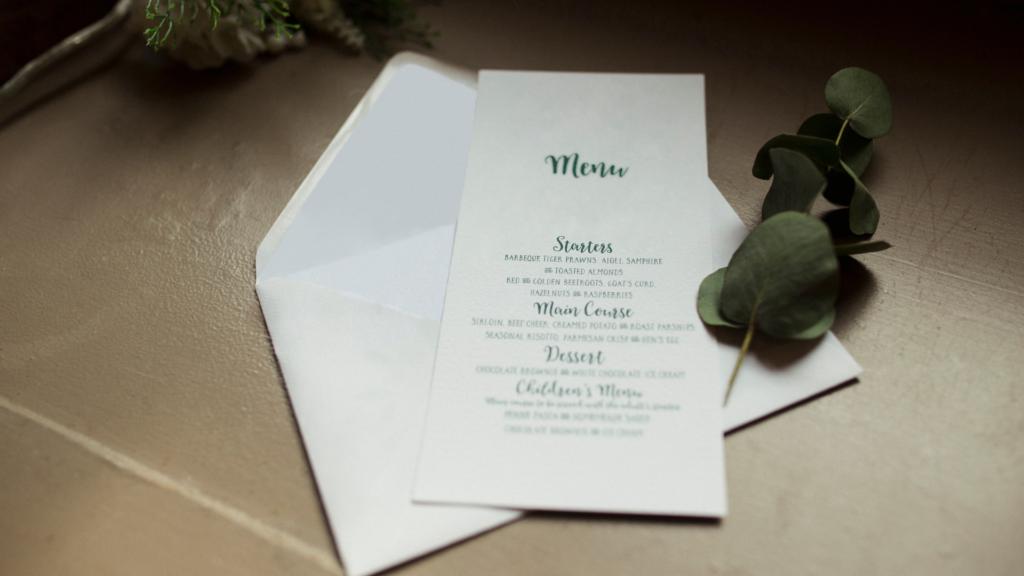
Planning a wedding is never easy, but it can be made significantly more manageable with preparation and foresight. One of the best ways to do that is to plan out our menu ahead of time, which will help us know exactly how many guests we’ll need to have food for and what dishes they’ll enjoy. In this article, we’ll show what we need to do! How to Plan a Wedding Event Menu When it comes to wedding event menus, the options are endless. But with so many choices, how do we know where to start? Here are a few tips on how to plan a wedding event menu: Decide what type of cuisine we want to serve. Do we want a formal sit-down dinner or a more casual buffet? Make sure the menu fits our budget. Wedding receptions can be expensive, so find a catering company that can work within our budget. Choose dishes that will please all our guests. While we may have our hearts set on a specific dish, remember that not everyone shares our taste buds. Select a few options that will satisfy most of our guests. Consider any dietary restrictions. Before finalizing the menu, ask our guests about dietary restrictions or allergies. We don’t want anyone getting sick at our wedding! What Should Be On The Menu? There are a few key things to remember regarding wedding event menus. First and foremost, we’ll want to make sure that the menu reflects the overall theme and tone of our wedding. A more traditional sit-down meal may be in order if we’re having a formal affair. However, a buffet-style spread might be more appropriate if we plan a casual event. Regarding specific dishes, it’s essential to consider our personal preferences and those of our guests. Be sure to consider any dietary restrictions or allergies that any of our guests may have. Beyond that, try to choose a variety of dishes that will please everyone’s taste buds. And of course, don’t forget about the wedding cake! How Much Food Should Be Prepared When it comes to food, we can never have too much. Unless, of course, we’re trying to save money. Then we’ll want to be more strategic about how much food we buy. The key is to think about how much food each person will realistically eat. If we have 100 people attending our wedding, and we know that, on average, each person will eat 3-4 appetizers, we’ll need to ensure we have at least 300-400 appetizers. The same goes for entrees and desserts. Of course, it’s always better to err on caution. It’s better to have too much food than not enough. So if we’re unsure, it’s always best to overestimate how much food we need. That way, everyone will leave our wedding well-fed and happy! What Types of Food Should Be Served When it comes to wedding menu planning, there are a few things to remember: To ensure we have various food options to please all our guests. Be mindful of our guests’ dietary restrictions or allergies. Choose foods that will pair well with the drinks we’ll serve. With all that in mind, here are a few ideas for what types of food to serve at our wedding: Appetizers Choose a few different appetizers to whet our guests’ appetites for the main meal. Popular options include passed hors d’oeuvres, cheese and fruit platters, and veggie trays. Main Course We may want to offer protein (chicken, beef, fish), starch (potatoes, rice), and vegetables for the main course. If we’re having a buffet-style meal, consider offering multiple entree options so everyone can find something they like. Dessert No wedding is complete without a delicious dessert! Wedding cake is always a popular option, but if we’re looking for something else (or in addition to cake), consider serving pie, cookies, or even an ice cream sundae bar. How to Make Our Table Look Awesome! Suppose we’re looking to add a touch of luxury to our wedding event menu. Why not make our table decorations? Using simple materials and creative flair, we can easily create a stunning focal point for our guests to admire. Gather some clear vases or jars of different sizes, pretty stones or pebbles, and fresh flowers to start. We’ll also need some ribbon or string to tie around the neck of each vase. Begin by placing the stones or pebbles into the bottom of each vase. Then, arrange our flowers in each vase, leaving enough space for the water to be added later. Once we’re happy with the placement of the flowers, carefully pour in water until each vase is about two-thirds full. Finally, take our ribbon or string and tie it around the neck of each vase, knotting it securely in place. Trim away any excess ribbon, and voila! We now have beautiful, unique table decorations that will wow our guests. A Wedding Menu That Everyone Must Try We hope this guide has helped us plan the perfect wedding event menu for our big day! Remember to consider our budget, guest list, and dietary restrictions when deciding what food to serve. We can create a wedding menu that everyone will love with some planning.