
Common Catering Mistakes And How To Avoid Them For Flawless Event Planning
Catering events can quickly become stressful when common mistakes go unnoticed until it’s too late. Many problems arise from poor planning, miscommunication, or underestimating guest needs. Identifying these frequent errors beforehand allows hosts and caterers to create a smooth, efficient event without unnecessary surprises. Mistakes often involve incorrect portion sizes, neglecting dietary restrictions, or failing to coordinate timing with other event elements. Being aware of these pitfalls helps ensure food quality, guest satisfaction, and overall event success. Addressing these issues early leads to better outcomes and less last-minute scrambling. Critical Catering Mistakes In Event Planning Accurate planning affects the success of any catered event. Key factors include estimating attendance, addressing various dietary needs, and determining appropriate food amounts. Miscalculating Guest Count Underestimating the number of guests leads to insufficient food, causing dissatisfaction. Overestimating results in excessive leftovers and wasted costs. Reliable methods include confirming RSVPs and adding a buffer of 5-10% for unexpected attendees. Using historical data from similar events helps refine estimates. Communicating regularly with the event host reduces last-minute surprises. Proper guest count estimation directly impacts ordering and preparation accuracy. Overlooking Dietary Restrictions and Needs Ignoring dietary restrictions causes health risks and alienates guests. Common dietary requirements include allergies (nuts, gluten), vegetarian or vegan preferences, and medical conditions like diabetes. Caterers should collect dietary information during invitations or registration. Offering clearly labeled food options builds trust and inclusivity. Cross-contamination prevention measures are essential to avoid allergic reactions. Inadequate Portion Sizes and Food Quantities Serving too little food leaves guests hungry and reflects poor planning. Excessively large portions increase waste and inflate budgets unnecessarily. Portion sizes should match the event type, duration, and guest demographics. For example: Event Type Recommended Portion Size per Guest Cocktail 4-6 appetizer portions Buffet Dinner 6-8 ounces of protein, sides combined Sitting Dinner Full entrée with sides, balanced portions Regular communication with the catering team ensures food quantities align with expectations and adjust to guest count changes. Essential Logistics and Equipment Oversights Proper planning for catering logistics and equipment prevents disruptions during service. Ensuring an adequate supply of basic items and attention to serving tools is critical to maintaining smooth operations. Insufficient Napkins, Plates, and Glasses Running short on napkins, plates, or glasses can halt service and frustrate guests. Caterers should estimate quantities with at least a 10-20% buffer over the expected attendance. Key points to consider: Always count one plate and glass per guest, plus extras for seconds or replacements. Provide a minimum of two napkins per person, considering different meal courses or messy dishes. Use inventory checklists to confirm pickups and deliveries match event needs. Underestimating these essentials leads to frequent interruptions and unsatisfactory guest experiences. It is easier and less costly to have surplus items than to scramble for replacements. Neglecting Tableware and Serving Essentials Overlooking serving utensils, proper tableware, and setup equipment causes inefficiencies. She must check that forks, knives, spoons, serving trays, and heat-retaining equipment are ready and clean. Critical details include: Confirm the correct number of cutlery sets for the courses planned. Prepare serving spoons, tongs, and ladles for buffet-style catering. Ensure tablecloths, centerpieces, and drink dispensers are delivered intact to avoid last-minute replacements. Well-organized serving materials support timely food delivery and contribute to the event’s professionalism. Neglecting these items risks slowing service and diminishing the guest experience. Service Flow and Staffing Challenges Efficient service flow and adequate staffing are crucial for smooth catering operations. Issues in these areas often cause delays, confusion, and reduced guest satisfaction. Poor Timing and Food Service Flow When food is not served on time, it disrupts the entire event schedule. Delays between courses or buffet replenishments cause guests to wait and can lead to food cooling before serving. Proper coordination between kitchen staff and servers is essential. Clear communication and synchronized timing ensure dishes move efficiently from preparation to the table. Using a detailed service timeline helps track when each course should be ready and delivered. This prevents overlapping tasks or bottlenecks that slow down the flow. Underestimating Staffing Needs Insufficient staff leads to overworked employees and poor service quality. It causes slower food delivery, missed refills, and reduced attention to guests. Estimating staffing needs requires assessing guest count, event style, and menu complexity. A general guideline is one server per 10-15 guests for plated dinners, more for buffet or cocktail service. Staffing plans should include roles for servers, bartenders, kitchen helpers, and coordinators. This ensures all service aspects are covered without gaps. Contingency Planning and Final Details Careful preparation often hinges on anticipating issues and handling remaining food responsibly. Ignoring these points can disrupt service and increase waste, which can be costly and inefficient. Forgetting a Backup Plan A backup plan is essential to address unexpected problems such as equipment failure or weather changes. Without one, the event may face delays or compromises in food quality and service. To build an effective backup plan, identify critical points like refrigeration, cooking devices, or venue restrictions. Prepare alternatives such as portable ovens, extra staff, or an indoor location to switch quickly. Communication plays a key role. The team must be briefed on backup procedures to ensure smooth execution. Documenting these steps helps during hectic moments to avoid confusion. Failure to Manage Leftovers Responsibly Leftover food requires proper handling to reduce waste and meet health standards. Failure to do so can lead to food spoilage and lost revenue. Implement a clear leftovers plan before the event ends. Options include packing food safely for guests, donating to local charities, or repurposing items for future meals. Food safety guidelines must be followed. Keep leftovers at safe temperatures, label them with dates, and dispose of anything past its safe period. This reduces health risks and maintains professional standards.
Building a Catering Brand From the Ground Up: Essential Strategies for Success

Building a strong catering brand requires clear planning and consistent execution in the competitive catering industry. To succeed, a catering business must focus on creating a unique identity, delivering quality service, and understanding its target market. The key to building a catering brand from the ground up is combining a strong value proposition with reliable customer experiences. This process involves defining a brand’s voice, designing an appealing presentation, and developing relationships with clients and suppliers. The catering business must also navigate industry challenges and trends to stay relevant and competitive. By establishing trust and professionalism early on, a catering brand can secure loyal customers and set itself apart. Effective branding goes beyond a logo and menu—it shapes how the business is perceived and remembered in the catering market. Defining Your Catering Brand Identity Building a strong catering brand identity requires clear decisions about market focus, customer needs, and how the brand differentiates itself from competitors. This involves targeting a specific segment, understanding customer profiles, defining a unique value, and telling a compelling brand story. Identifying Your Catering Niche A catering niche narrows the scope of services and focuses on a specialized segment of the market. It could be event type (weddings, corporate, casual parties), cuisine style (vegan, BBQ, ethnic), or service style (buffet, plated, food trucks). Defining the niche helps concentrate marketing efforts and develop expertise. They should research local demand and competitor offerings to avoid oversaturated niches. A well-chosen niche increases brand identity clarity and appeals to a distinct target market. It guides menu creation, pricing, and promotional strategies that align with the brand’s strengths. Clarifying Your Target Audience The target audience consists of the specific customer groups the catering brand aims to serve. It includes factors like demographics (age, income, location), psychographics (values, lifestyle), and event preferences. Effective targeting allows the brand to tailor services and messaging for better engagement. For example, catering for corporate clients demands professionalism and punctuality, whereas private parties may require flexibility and customization. They should create detailed customer profiles to anticipate needs and optimize marketing. Establishing Your Unique Selling Proposition The unique selling proposition (USP) defines what sets the catering brand apart from competitors. It could be exceptional quality, pricing, unique menu items, sustainability, or service speed. The USP must be clear, relevant, and attractive to the target market. By communicating the USP consistently, the brand creates a recognizable identity that influences purchasing decisions. It anchors marketing messaging and supports pricing strategies. The USP should solve a specific problem or fulfill a unique desire better than others in the catering market. Crafting Your Brand Story The brand story connects customers emotionally to the catering business and explains its origins, values, and mission. A genuine story builds trust and loyalty, differentiating the brand beyond products. Key elements include why the business started, challenges overcome, core values, and commitment to customers. The story should be authentic and concise. Incorporating it in marketing materials and online platforms strengthens the overall catering brand identity and fosters a memorable impression. Building a Visual and Online Presence Creating a strong and cohesive appearance is essential for a catering brand’s recognition and trustworthiness. This involves careful selection of visual elements and a strategic approach to digital platforms to reach and engage potential clients effectively. Logo Design and Visual Consistency A catering brand’s logo must be simple, memorable, and representative of its core values. It should reflect the style of service, whether formal, casual, or themed, to connect with the target audience instantly. Consistency across all marketing materials is key. The logo should appear on business cards, menus, uniforms, and social media profiles with uniform placement, size, and colors. This uniformity strengthens brand identity and helps customers recognize the business quickly. Typography and Color Palette Selection Typography affects readability and brand personality. A catering brand should choose one or two fonts: one for headings and one for body text. Fonts should be clean and easy to read, even on mobile devices and printed menus. Selecting a color palette is equally important. Use two to three primary colors that reflect the brand’s style—warm colors for a cozy feel or cool tones for elegance. These colors must be applied consistently on the website, packaging, and promotional materials to maintain a unified look. Professional Website Essentials The website must clearly convey the brand’s services and facilitate customer actions such as inquiries or online ordering. Essential features include a clean layout, fast load times, mobile optimization, and clear navigation menus. Integration of high-quality photos of food and events builds trust. A dedicated online ordering system simplifies customer experience and drives sales. Including client testimonials and contact information boosts credibility and encourages bookings. Leveraging Social Media Platforms Social media is critical for brand visibility and customer engagement. The brand should focus on platforms like Instagram and Facebook, popular for food-related marketing. Posting regularly with professional photos, behind-the-scenes content, and customer reviews helps establish trust. Engaging with followers through comments and direct messages encourages loyalty. Paid advertising options on these platforms can target local demographics to increase reach efficiently. Delivering Standout Catering Services Providing an exceptional catering service requires attention to detail in menu creation, customer satisfaction, and accommodating specific dietary needs. Each element contributes to a seamless and memorable customer experience. Developing a Personalized Menu A personalized menu reflects the unique tastes and preferences of the client. It allows the catering service to tailor dishes that fit the event’s theme, budget, and guest demographics. Menus should offer a balance of options, including appetizers, mains, and desserts, that cater to diverse palates without overwhelming choices. Incorporating seasonal ingredients and local produce boosts quality and freshness, which clients value. Clear communication between the client and chef ensures the menu aligns with expectations. Customization might include signature dishes or flavors from particular cuisines to enhance the event’s identity. Ensuring Customer Satisfaction Consistently delivering on promises is central to customer satisfaction. This means punctual setup, professional staff, and maintaining food quality throughout the event. Monitoring temperature control and presentation
What Are the Latest Food Trends Shaping 2025’s Culinary Landscape
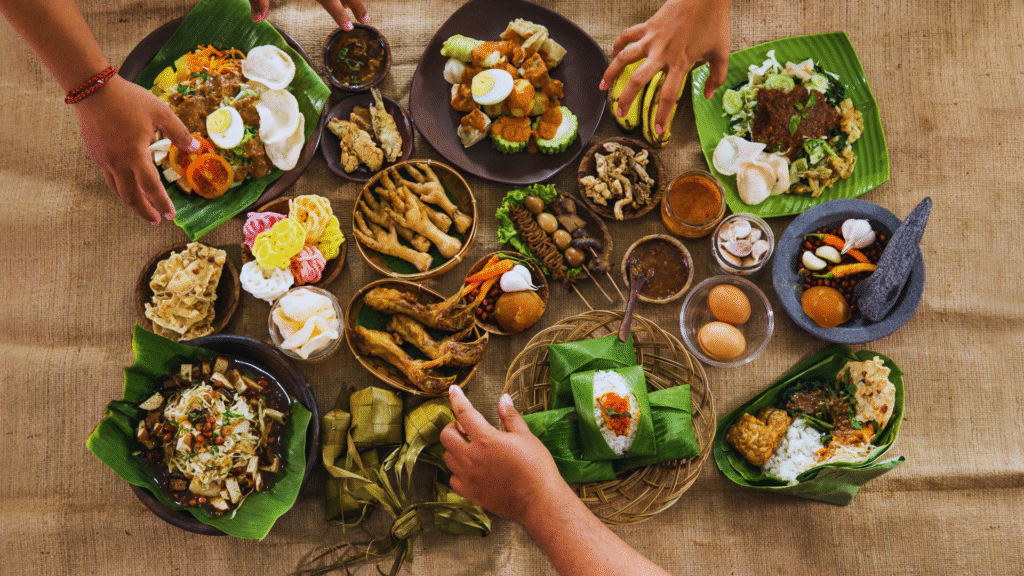
Food trends are continuously evolving, influenced by cultural shifts, health consciousness, and innovation in culinary practices. Currently, plant-based diets, sustainable sourcing, and fusion cuisines are at the forefront of the latest food trends. These movements reflect a growing awareness of environmental issues and the desire for diverse flavors. Many individuals are increasingly seeking meals that not only taste good but also align with their dietary preferences and ethical beliefs. The rise of alternative proteins, including chickpea pasta and innovative meat substitutes, showcases this transition. Additionally, sustainability has become a key focus, prompting restaurants and consumers alike to prioritize eco-friendly practices. The current trend towards convenience has led to the popularity of meal kits and ready-to-eat options, where quality ingredients meet the demands of busy lifestyles. As people become more adventurous with their culinary experiences, the appetite for global flavors and unique pairings continues to expand, transforming how meals are prepared and consumed. The Rise of Sustainability and Conscious Eating This trend emphasizes the shift toward using sustainable practices, reducing food waste, and adopting mindful consumption habits. It reflects a growing awareness among consumers regarding the environmental impact of their food choices. Sustainable Ingredients and Eco-Friendly Practices Many food brands are prioritizing sustainable ingredients to attract environmentally conscious consumers. This includes sourcing from local farms and using organic produce. Benefits of sustainable sourcing include reduced carbon footprints and supporting local economies. Additionally, practices such as regenerative farming are gaining traction, aiming to improve soil health while providing a diverse range of crops. Brands like Impossible Foods and Beyond Meat exemplify this trend by offering plant-based alternatives that appeal to consumers seeking eco-friendly options without sacrificing taste. Combating Food Waste with Innovation Innovative solutions are emerging to tackle the global food waste crisis. Currently, it is estimated that one-third of the food produced is wasted. Startups are developing smart technology that tracks food freshness and suggests recipes based on available ingredients. Initiatives like Too Good To Go allow consumers to purchase unsold food at discounted prices, reducing waste. Many restaurants are now adopting strategies to repurpose excess ingredients into new dishes. This not only addresses food waste but also offers budget-friendly meal options. Mindful Eating and Consumer Preferences Mindful eating encourages individuals to make informed decisions about their food. This practice focuses on appreciating meals while considering their impact on health and the environment. Consumers are increasingly looking for transparency in food labeling. They prefer products that are ethically sourced and produced. Reports indicate that younger generations are more willing to invest in sustainable options. They prioritize brands that reflect their values. Engaging in mindful eating can lead to healthier lifestyles while supporting sustainable practices. Emerging Flavors and Health-Focused Culinary Trends Recent culinary trends highlight a growing interest in innovative flavors and health-oriented ingredients. Home cooks and chefs alike are embracing versatile options that cater to dietary restrictions while offering exciting tastes. Plant-Based Food and Versatile Ingredients The rise of plant-based diets continues to shape culinary practices. Ingredients such as chickpeas and mushrooms are becoming staples, celebrated for their nutritional benefits and adaptability. These foods can be transformed into a variety of dishes, from hearty stews to gourmet burgers. Pistachios are also gaining attention due to their protein content and unique flavor profile. Their versatility allows them to be used in snacks, toppings, and spreads, appealing to those looking for healthier, yet satisfying, options. This trend empowers consumers to explore creative cooking while maintaining dietary preferences. Functional Foods and Probiotics Functional foods are increasingly popular for their health benefits beyond basic nutrition. Foods rich in probiotics, such as yogurt and fermented products, are becoming essential in diets focused on gut health. These ingredients help support digestion and bolster the immune system. Home cooks are incorporating functional foods into everyday meals. Items like kefir and tempeh serve as excellent sources of probiotics while adding unique flavors to a dish. This focus on health-oriented options influences not only personal choices but also the offerings in restaurants. Crunchy Snacks and Healthy Alternatives The craving for crunchy snacks has led to innovative alternatives that satisfy taste while maintaining nutritional value. Options like baked chickpea snacks and roasted seaweed provide a satisfying crunch without excessive calories or unhealthy fats. Health-conscious consumers are seeking replacements for traditional chips and crackers, focusing on ingredients that offer both flavor and nutrition. Snacks made from lentils or quinoa are becoming popular, allowing individuals to enjoy delicious textures while adhering to their health goals. This trend encourages creativity in snacking, presenting a range of choices that include dietary restrictions. Global Influences: Modern Takes on International Cuisines Cuisine today reflects a tapestry of global influences, leading to innovative interpretations of traditional dishes. From fusion culinary creations to the resurgence of classic fermented foods, these trends highlight the adaptability and creativity present in today’s kitchens. Global and Fusion Cuisine Innovations Modern cuisine often merges traditional elements from various cultures, creating fusion dishes that appeal to a diverse palate. Chefs experiment with flavors and techniques, combining Asian and European influences in unexpected ways. Examples include Korean BBQ tacos and sushi burritos, showcasing how ingredients can transcend their origins. The popularity of these dishes emphasizes a growing openness to culinary experimentation. This evolution is also evident in plant-based versions of classic recipes, accommodating dietary preferences while maintaining authentic flavors. Popular Dishes: Sushi, Ramen, Barbecue, and Sourdough Sushi continues to thrive, evolving with new fillings and creative presentations. Ramen, once a humble dish, now boasts gourmet variations topped with unique ingredients like truffle oil or miso paste. Barbecue styles from around the world influence local grilling techniques. For instance, incorporating American smoking methods into Asian marinades creates a richer flavor profile. Meanwhile, sourdough has regained popularity, especially as home bakers explore different fermentation techniques, leading to an array of artisanal bread offerings. Fermented Delights: Kimchi and Miso Fermented foods like kimchi and miso have surged in popularity due to their health benefits and unique flavors. Kimchi, with its spicy and tangy profile, is now commonly used
Time-Saving Tips for Planning Large Events: Streamline Your Success

Planning a large event can often feel overwhelming, but with the right strategies in place, it becomes manageable and even enjoyable. To save time while organizing a big affair, begin by creating a detailed timeline that breaks down tasks into smaller, actionable steps. This not only helps in identifying priorities but also ensures nothing is overlooked as the date approaches. Effective delegation plays a crucial role in time management during the planning process. Assign specific responsibilities to team members or volunteers based on their strengths and expertise. This collaborative approach not only lightens the load but also brings fresh ideas to the table, enhancing the overall event. Utilizing technology can significantly streamline planning efforts. From project management software to event registration tools, these resources help keep everything organized and accessible. By adopting these time-saving tips, event planners can focus more on creativity and execution, paving the way for a successful gathering. Essential Steps to Get Organized for Efficient Event Planning Efficient event planning hinges on a structured approach. Defining clear objectives, assembling the right team, and choosing an appropriate venue are key steps that streamline the process. Defining Event Objectives Establishing event objectives is the first step in planning. Event organizers should create a detailed list of goals. This includes identifying the target audience, desired outcomes, and key messages. Listing objectives helps set priorities. For instance, objectives could include raising funds, increasing brand awareness, or enhancing community engagement. Utilizing SMART criteria—Specific, Measurable, Achievable, Relevant, and Time-bound—ensures clarity. This framework aids in assessing progress and success once the event concludes. Establishing an Effective Planning Team An effective planning team is central to event success. The team should consist of individuals with varied skills: project management, marketing, logistics, and finance. Assigning specific roles enhances accountability. For example, one person can manage vendor relationships, while another oversees budgeting. Regular communication fosters collaboration and minimizes misunderstandings. Utilizing project management tools, like Trello or Asana, can aid in tracking progress. These tools help ensure everyone is informed about deadlines and responsibilities, streamlining the entire planning process. Selecting the Right Venue Choosing the right venue impacts every aspect of the event. Considerations should include location, capacity, accessibility, and available amenities. A checklist can streamline the selection process: Location: Ensure it’s convenient for the target audience. Capacity: Match the venue size to expected attendance. Budget: Compare costs and included services. Conducting site visits is essential. This allows you to evaluate the ambiance and consider the logistical needs of the space. Speaking with venue staff can also provide insights on available services, which aids overall planning efficiency. This is especially crucial to do if you’re planning an outdoor event, where additional weather covers or modular toilet blocks may need to be provided in order for the event to run without any setbacks. Smart Time Management Strategies for Large Event Success Effective time management is crucial for ensuring the success of large events. Establishing clear timelines, delegating tasks, utilizing the right software, and scheduling efficient meetings are key strategies to streamline the planning process. Setting Up Timelines and Schedules Creating a detailed timeline helps everyone involved understand their responsibilities. Start by defining major milestones, such as venue booking, vendor confirmation, and promotional activities. Use a Gantt chart to visualize these key dates. Each task should include: Start and end dates: Clearly define when each task begins and ends. Dependencies: Identify which tasks rely on the completion of others. Checkpoints: Schedule regular intervals to assess progress and adjust as needed. These tools ensure the planning stays on track and deadlines are met. Delegating Responsibilities Effectively A successful event requires teamwork. Delegating responsibilities helps distribute the workload and engages team members. Identify strengths among team members and assign tasks accordingly, such as: Venue management: Someone who excels in organization. Logistics coordination: A detail-oriented individual. Marketing efforts: A creative marketer. Using a task management tool can help track responsibilities and deadlines. This increases accountability and ensures tasks are completed efficiently, promoting a more organized event planning process. Utilizing Event Management Software Event management software is indispensable for improving productivity. These tools centralize all event-related information, making it easily accessible. Key features to look for include: Task tracking: Monitor the status of various tasks in real-time. Budget management: Keep track of expenses and ensure financial targets are met. Collaboration tools: Facilitate communication among team members. Investing in the right software streamlines processes and reduces the risk of errors, making the planning phase more efficient. Scheduling Productive Meetings Meetings can consume valuable time if not structured properly. To enhance productivity, follow these guidelines: Set a clear agenda: Clearly outline discussion points beforehand. Limit participants: Include only those directly involved in the topics. Time block: Allocate specific time slots for each agenda item. Utilizing tools like video conferencing and online collaborative platforms helps keep meetings focused and efficient. Regular check-ins can keep the team aligned on goals and timelines, ensuring everyone remains informed and engaged. Streamlining Event Logistics and Operations Effective event logistics and operations are critical for successful large-scale events. Focusing on catering coordination, managing invitations, and preparing a backup plan can save time and reduce stress. The best way to do so is to outsource and hire experts from a professional event management company south africa or other places that are close to the event. Taking measures like these, for any kind of event, be it corporate, sports, or something similar, ensures that the event runs smoothly and ideally. Professional event planners can help you with budgeting, taking care of venue scouting, risk management and artist management. Catering Coordination and Food Planning Planning catering requires clear communication with vendors. Establishing the menu early is essential to ensure the availability of desired options. Organizers should consider dietary restrictions and preferences to accommodate all guests. A detailed timeline for meal preparation and service will help streamline operations. Creating a table with key catering information, such as vendor contacts, menu items, and delivery times, aids organization. Using catering management software can simplify the planning process.
What to Look for in a Great Restaurant Review: Key Factors to Consider

A great restaurant review provides insights that help diners decide where to eat. Look for clarity in the reviewer’s descriptions of the food, ambiance, and service, as these elements create a comprehensive picture of the dining experience. A well-rounded review covers various aspects such as menu items, preparation techniques, and even the appropriateness of portion sizes. The credibility of the reviewer matters, too. Reviews should come from individuals who demonstrate a clear understanding of food and dining culture. A knowledgeable reviewer will offer informative comparisons to similar restaurants or highlight unique offerings that set a restaurant apart. Finally, the tone of the review can significantly impact the reader’s perception. A balanced perspective that includes both positive and negative feedback lends authenticity, making it easier for readers to trust the review and make informed decisions. Key Elements of a Great Restaurant Review A well-crafted restaurant review evaluates several crucial aspects. This includes the quality of food, the level of service, and the overall atmosphere of the dining experience. Each element plays a significant role in shaping a reader’s expectations and perception. Evaluating Food Quality Food quality is paramount in any restaurant review. Critics should describe specific dishes and highlight flavors, textures, and freshness. For instance, mentioning whether the seafood is caught daily or if the steak is cooked to the correct temperature adds credibility. It is beneficial to note the presentation as well. A dish that looks appealing enhances the dining experience. Using descriptive adjectives can help paint a vivid picture for the reader. For example, a review could detail a “grilled salmon fillet, perfectly seared, served with a zesty lemon butter sauce.” Such details allow readers to visualize the meal and determine if it aligns with their preferences. Assessing Service Standards Service standards can make or break a dining experience. Reviewers should focus on the attentiveness of the staff, the efficiency of service, and the friendliness of the environment. A good review might mention whether reservations are handled professionally or if waiting staff demonstrate knowledge of the menu. Additionally, a long wait before receiving an order can significantly impact the review. Including specifics, such as “the waiter was prompt and offered recommendations,” provides insight into what future diners might expect. Attention to service creates a fuller picture of the restaurant’s overall quality. Describing Atmosphere and Ambience Atmosphere and ambience are crucial to the dining experience. This includes the restaurant’s decor, lighting, and noise levels. Descriptions can help readers appreciate the setting, whether it’s an upscale steakhouse or a casual Rockefeller Center restaurant. Critics should describe the vibe: Is it intimate, bustling, or relaxed? Mentioning background music or decor themes can help establish the restaurant’s personality. For example, “the dim lighting and soft jazz create a charming atmosphere for a romantic evening” conveys important details. Sensory descriptions enhance the review and set expectations for potential diners. The physical layout and design of a dining space play a major role in how guests feel when they walk through the door. Restaurant owners often work with professional Shopfitters to plan these layouts so that the floor plan is both practical and attractive. A good layout makes it easy for staff to move around while keeping the dining area comfortable for guests. When a review mentions the physical space, it helps readers understand how the design affects their overall comfort. This physical setup is just as important as the menu when it comes to creating a memorable night out. Analysis of Review Structure and Tone A well-structured restaurant review balances clarity and a consistent tone. These elements are crucial for conveying a reviewer’s experience. Good reviews provide specific details, while negative reviews can offer constructive criticism effectively. Clarity and Objectivity Clarity is essential in any restaurant review. A reviewer should articulate their experiences without ambiguity. Descriptions of the food, service, and ambiance should be concise and accurate. Using concrete terms instead of vague language helps readers visualize the experience. Objectivity also plays a significant role. While personal opinions are expected, they should not overshadow facts. For instance, noting the flavor profile of a dish or the speed of service helps other diners make informed decisions. Pete Wells, a renowned food critic, exemplifies this by focusing on specific elements, illustrating the dining experience without embellishment. Reviews should avoid excessive personal bias, ensuring they remain credible and trustworthy. Consistent Tone and Voice Maintaining a consistent tone and voice throughout a review aids reader engagement. A reviewer’s personality should shine through without detracting from the content. This can be achieved by using signature phrases or a distinct writing style. A consistent voice creates familiarity, making readers more likely to trust the review. Whether a review is positive or negative, the tone should remain professional yet approachable. Negative reviews, while critical, should be constructive. A well-articulated critique provides suggestions for improvement rather than merely highlighting flaws. This balanced approach not only informs but also respects the establishment being reviewed, contributing to a more meaningful dining discourse. Evaluating Credibility and Reliability of Reviews Assessing the credibility and reliability of restaurant reviews is vital for making informed dining choices. Recognizing authentic feedback, as well as identifying bias and outliers, are essential components of this evaluation. Identifying Authentic Online Reviews When looking for genuine reviews, it is important to consider the platform. Established sites like Yelp and TripAdvisor (TA) typically feature verified reviews that provide more reliable insights. Look for reviews that include specific details about the dining experience, such as: Menu items mentioned Service quality described Atmosphere characteristics Authentic reviews usually have a balanced tone, addressing both positives and negatives. Users should also check the reviewer’s history. A robust profile with multiple reviews can indicate credibility. Inconsistent ratings from accounts with few reviews may signal attempts to manipulate perceptions. Recognizing Bias and Outliers Bias can skew perceptions, making it important to recognize it in reviews. Individual experiences may reflect personal preferences rather than universal truths. For instance, a diner who dislikes spicy food may rate a restaurant poorly, even
The Difference Between Buffet and Plated Catering: Understanding Your Service Options

When planning an event, choosing between buffet and plated catering can significantly impact the guest experience. Buffet catering offers variety and flexibility, allowing guests to serve themselves and select their preferred dishes, while plated catering provides a more formal dining experience with meals served directly to each guest. Understanding these differences can help in selecting the right style based on the nature of the event and guest preferences. Buffet catering is often favored for its casual atmosphere, promoting mingling and interaction among guests. In contrast, plated meals can create a more structured environment, ideal for formal occasions where service is prioritized. Ultimately, the choice between buffet and plated options should align with the event’s goals and the anticipated guest experience. Considering factors like venue, guest demographics, and desired ambiance will ensure that the catering style enhances the overall success of the event. Understanding Buffet and Plated Catering Buffet and plated catering offer distinct dining experiences that cater to different preferences and occasions. Each style presents unique advantages and considerations for event planners. What Is Buffet Style Catering? Buffet-style catering allows guests to serve themselves from a wide variety of food options arranged on tables. This setup encourages a casual atmosphere where attendees can mingle and choose dishes as they please. Buffets typically feature multiple stations, including appetizers, main courses, and desserts. This arrangement can accommodate various dietary preferences, such as vegetarian or gluten-free options. A key benefit of buffet catering is the flexibility it offers guests regarding portion sizes and selections. Additionally, it may often reduce labor costs since servers are not needed for each plate. What Is Plated Dinner Service? Plated dinner service involves pre-portioned meals served to guests at their tables. Each customer receives a specific dish, which can be chosen in advance or selected at the event. This style is more formal and often used for events like weddings or corporate dinners. Plated meals typically showcase a chef’s culinary skills with well-presented dishes. Caterers offer various menu options, allowing hosts to customize meals for their audience. While plated service can enhance the dining experience, it may require more staff and coordination during the event. Key Differences Between Buffet and Plated Meals There are several notable differences between buffet and plated catering: Serving Style: Buffets allow guests to choose their meals, while plated service involves meal delivery by staff. Atmosphere: Buffets often create a casual and relaxed environment, whereas plated service is more formal. Dietary Accommodations: Buffets can provide a broader range of choices for various dietary needs, while plated meals may offer limited options. In terms of cost, buffet service can be more economical due to reduced staffing needs compared to the additional servers required for plated dinners. Each catering style can suit different event types, making the choice ultimately depend on the occasion and guest preferences. Comparing the Guest Experience The guest experience in buffet versus plated catering can vary significantly. Key aspects include the atmosphere created, the service flow, and how well dietary restrictions are accommodated. Each style has distinct features that can affect guest satisfaction. Atmosphere and Dining Experience Buffet catering fosters a relaxed atmosphere where guests feel free to mingle. They can move around, choose from various dishes, and enjoy a casual dining experience. The self-service nature encourages exploration of different flavors, such as appetizers and salads, appealing to diverse palates. In contrast, plated catering provides a more formal and structured environment. Guests remain seated and are served multiple courses, allowing for a focused dining experience. The presentation of each plate is typically refined, enhancing the overall aesthetic. The environment may be quieter, promoting conversation among those at the same table. Service Flow and Timelines Buffet service allows guests to eat at their own pace. They can visit the buffet line when ready, which can lead to a more relaxed timeline for meals. This format can accommodate large guest lists efficiently, reducing wait time during service. Plated catering, however, has a more controlled service flow. Courses are typically served in sequential order, requiring coordination among servers and timing for each table. This can create a uniform dining experience but may lead to longer periods between courses. Addressing Dietary Restrictions Buffets offer flexibility for guests with dietary restrictions. They can see all available options and select dishes that meet their needs, such as gluten-free salads or vegan appetizers. This visibility empowers guests to make informed choices. On the other hand, plated catering requires prior knowledge of dietary restrictions. Chefs must prepare specific meals for those with restrictions, requiring communication ahead of time. Although it can be tailored, the necessity for planning may limit spontaneous choices at the event. Selecting the Right Catering Option for Your Event Choosing the right catering option can significantly influence the success of an event. Factors such as the type of occasion, guest preferences, and overall atmosphere will guide this decision. Weddings and Wedding Receptions For weddings, plated catering often reflects the formality of the occasion. Couples may opt for a multi-course meal served to guests, enhancing a sophisticated atmosphere. Buffet catering provides a casual alternative, allowing guests to choose their meals. This option may suit more relaxed receptions, enabling guests to mingle and engage more freely. Considerations for weddings include dietary restrictions and the number of guests. A family-style service may also be a fitting compromise, offering shared platters to create an inviting dining experience. Graduation Parties and Special Events Graduation parties frequently embrace a celebratory tone, which influences catering choices. Buffet stations are popular for these events, offering a wide variety of options to cater to diverse tastes. Guests enjoy picking and choosing, allowing for flexibility in meal selection. This setup can accommodate larger groups and encourages a more interactive dining experience. For smaller gatherings, plated meals provide a refined touch, matching the significance of the occasion. It’s vital to align the catering style with the event’s overall vibe to ensure satisfaction among attendees. Family-Style and Buffet Stations Family-style catering encourages sharing and interaction among guests, which
Common Event Planning Mistakes and How to Avoid Them for a Successful Gathering

Planning an event requires careful attention to detail, but even the most experienced planners can make mistakes that derail a successful occasion. Identifying common pitfalls allows individuals to navigate the complexities of event coordination efficiently and enhance the overall experience for attendees. By understanding what can go wrong, planners can implement strategies to avoid these missteps and achieve their vision. Time management is one of the crucial elements that can make or break an event. Without a well-structured timeline, tasks can pile up, leading to overlooked details or rushed preparations that compromise quality. Recognizing the importance of setting deadlines and allocating sufficient time for each phase of planning is essential for a seamless execution. Another common mistake is underestimating the budget or failing to plan for unexpected expenses. This oversight can lead to financial strain and impact the overall quality of the event. By meticulously outlining costs and including a buffer for surprises, planners can maintain control over their budget and ensure a successful outcome. Identifying the Most Common Event Planning Mistakes Event planning involves several critical components. Identifying the most common mistakes can help planners avoid pitfalls that detract from the success of an event. Focusing on clear goals, effective communication, attendee experience, and logistical challenges is essential for successful event execution. Lack of Clear Goals One major mistake in event planning is not establishing clear goals. Without specific objectives, it becomes challenging to measure success or ensure that the event meets its purpose. Planners should define goals such as increasing attendance, generating leads, or enhancing brand awareness. Setting SMART goals (Specific, Measurable, Achievable, Relevant, Time-bound) helps provide direction. For instance, if a planner aims to increase attendance, they may set a target number of attendees and develop strategies to achieve this number. Clear goals also facilitate better decision-making throughout the planning process. Inadequate Communication and Confirmation Effective communication is crucial to successful event planning. Inadequate communication among team members can lead to misunderstandings and missed details. This includes failing to confirm vendor contracts, service requirements, and deadlines. Planners should implement regular check-ins and utilize tools such as project management software to streamline communication. It is essential to confirm all details with vendors and stakeholders to ensure everyone is aligned. This can also apply when sourcing promotional materials, such as ID badges or lanyards for the staff. For this reason, make sure to View full range of AAC custom lanyards, or similar products from a different site, to ensure you can find the perfect fit for your event’s branding, style, and functional needs. A checklist of confirmations can help prevent last-minute problems and ensure every aspect of the event runs smoothly. Neglecting Attendee Experience The attendee experience is often overlooked during the planning stages. Planners may focus too much on logistics, forgetting that a positive experience encourages future attendance. Neglecting this aspect can lead to dissatisfaction. To enhance attendee experience, planners should consider elements such as venue selection, catering options, and engaging activities. Gathering feedback through surveys or suggestion boxes can provide insights to improve future events. One can consider reviewing client experiences for practical lessons, as highlighted in a Knoxx Testimonial (or elsewhere). Looking at how similar events are managed can highlight practical approaches to logistics, attendee experience, and vendor coordination. Nowadays, managing events smoothly has become significantly easier due to the availability of various online event management software. Such tools free up a lot of time by managing repetitive tasks and making space for the higher valued ones. Creating a welcoming environment and addressing attendees’ needs can significantly impact event success. Failure to Address Logistical Challenges Logistical challenges can derail even the best-planned events. Common issues include transportation, accommodation, and technology failures. Planners often underestimate the importance of a logistical plan, leading to chaos on the event day. Assessing the venue’s capacity and accessibility is essential. Additional attention should be given to audiovisual equipment, internet connectivity, and staffing needs. Creating a contingency plan helps to address potential issues proactively, ensuring the event progresses without significant disruptions. For complex logistical scenarios, engage experienced partners early so technical production, vendor coordination, and contingency workflows are planned together rather than as afterthoughts. Specialized firms that provide end-to-end Event Management can help align creative strategy with on-site execution, ensuring audiovisual setups, connectivity, and staffing are taken care of. This integrated approach reduces last-minute issues and keeps the attendee experience consistent. Scheduling vendor walkthroughs and technical rehearsals before the event often uncovers issues that a checklist alone will miss. Strategic Planning and Clear Communication Effective event planning hinges on strategic organization and communication. Establishing clear roles, leveraging technology, and providing detailed instructions can significantly enhance event execution. Establishing Responsibility Within Event Teams Assigning clear responsibilities to members of the event planning team is crucial. Each person should know their individual tasks and how they fit into the larger picture. This clarity minimizes confusion and overlap. Create a Responsibility Matrix: Use tools like RACI charts (Responsible, Accountable, Consulted, Informed) to clarify roles. Regular Check-Ins: Schedule consistent meetings to assess progress and address any issues. Making sure team members understand their roles fosters accountability and ensures that critical tasks are completed on time. Leveraging Digital Tools for Efficient Event Planning Digital platforms can make event coordination much easier by streamlining ticket sales and managing the online registration of event tickets. Some services even allow organisers to host free events at no cost, while for paid events, the organiser may not be charged directly, instead, attendees pay a small booking fee added to the ticket price. Popular Tools: Consider platforms like Cvent, Eventbrite, or Whova for their robust capabilities. Integration: Look for platforms that connect well with calendars, email marketing tools, and communication apps to keep teams aligned throughout the planning process. By leveraging the right technology, planners can improve communication, stay organised, and deliver professional event experiences while minimising administrative challenges. Providing Clear Instructions to Stakeholders Communicating detailed instructions to stakeholders is essential for an event’s success. Whether it’s vendors, speakers, or attendees,
Seasonal Themes for Unforgettable Events: Creating Memorable Experiences Year-Round

Creating unforgettable events can often hinge on the themes chosen for those occasions. Seasonal themes not only set the mood but also resonate with guests, creating memories that last long after the event concludes. From vibrant spring gatherings to cozy winter celebrations, each season offers a unique backdrop that can enhance the overall experience. Planning an event around a specific season allows for a wealth of creative opportunities. Seasonal elements, like decorations, food, and activities, can be seamlessly integrated, reflecting the essence of that time of year. This not only elevates the aesthetic appeal but also engages attendees in a way that feels fresh and relevant. As event planners seek to make their gatherings stand out, incorporating seasonal themes becomes a strategic choice. By understanding how to harness the natural vibes of each season, they can craft events that not only entertain but also leave a lasting impression on participants. The Importance of Seasonal Themes in Event Planning Seasonal themes play a crucial role in event planning by enhancing engagement, aligning the event with timely cultural moments, and connecting with audiences. Emphasizing seasonality can create memorable experiences that resonate with guests and encourage participation. Maximizing Engagement With Seasonal Relevance Seasonal themes increase audience engagement by linking events to familiar experiences. This connection enhances the emotional appeal of the event, making it more memorable. Practical Ideas: Spring Events: Focus on renewal and growth with floral decorations and outdoor activities. Summer Celebrations: Incorporate bright colors and tropical themes to evoke a sense of fun. Autumn Gatherings: Utilize harvest motifs and rich, warm colors to create a cozy atmosphere. Winter Festivals: Emphasize warmth and holiday cheer through festive lights and seasonal treats. These timely themes foster a sense of community as guests enjoy shared experiences. Understanding Your Target Audience Identifying the target audience is essential for implementing effective seasonal themes. Different demographics may respond uniquely to seasonal cues based on their interests and preferences. Key Considerations: Age Group: Younger audiences might prefer lively, energetic themes, while older demographics may enjoy nostalgia-rich experiences. Cultural Background: Seasonal themes can reflect cultural traditions and customs, enhancing relevance. Interests and Hobbies: Tailoring themes to align with specific interests can foster stronger connections. Knowing the audience helps planners choose themes that resonate, ensuring a more engaging and successful event. Selecting the Right Party Theme Choosing the appropriate party theme requires careful consideration of seasonality and audience preferences. A well-selected theme can set the tone for the entire event. Factors to Evaluate: Seasonal Trends: Analyze current trends in party themes for each season. Venue Compatibility: Ensure the theme works harmoniously with the chosen location. Budget Considerations: Some themes may require more elaborate decorations or entertainment options. By taking the time to thoughtfully select a theme, one enhances the overall experience for guests, resulting in a cohesive and enjoyable event that leaves a lasting impression. Beyond this, practical additions can truly bring a vision to life. For instance, installing pop up gazebos provides stylish and functional outdoor spaces that complement the theme while offering shelter from the elements. To further enhance the experience, themed lighting, furniture, and signage can elevate the atmosphere, ensuring guests feel comfortable and creating memorable moments throughout the event. Top Seasonal Themes for Unforgettable Events Seasonal themes can elevate events by creating immersive atmospheres that resonate with attendees. From the festive holiday season to the vibrant warmth of spring and summer, and the enchanting beauty of autumn and winter, each season offers unique opportunities for unforgettable gatherings. Holiday Season Extravaganzas Holiday parties bring a sense of joy and warmth. Organizing a festive event can include a blend of traditional and modern elements. Decorations may feature twinkling lights, evergreen garlands, and themed color palettes like red, green, and gold. Activities could include cookie decorating stations, holiday-themed photo booths, and gift exchanges. Catering plays a crucial role; menus can present seasonal fare such as spiced cider, roasted meats, and rich desserts. Additionally, incorporating music, such as carols or lively tunes, sets the mood for celebration. Spring and Summer Outdoor Celebrations Spring and summer are ideal for outdoor events that embrace nature’s beauty. Outdoor gathering spaces can be adorned with bright flowers and fresh greenery to enhance the setting. Activities often include picnics, barbecues, and outdoor games like cornhole or frisbee. Themes could emphasize bright colors or specific motifs like luau or garden parties. Regarding catering, fresh, seasonal ingredients shine in dishes such as salads, grilled vegetables, and refreshing beverages like lemonade or iced tea. Live music or DJs can create an energetic atmosphere that guests will remember. Autumn and Winter Wonderlands Autumn brings stunning leaves and cooler weather, perfect for cozy gatherings. Events might center around harvest themes, with decorations like pumpkins, hay bales, and warm colors such as orange, red, and brown. Activities can include apple picking, hayrides, or seasonal crafts. Culinary offerings often feature hearty comfort food, such as soups, stews, and warm drinks like mulled wine or hot cocoa. Winter events can transform spaces into magical wonderlands. Decorations may use snowflakes, twinkling lights, and icy blues or whites. Guests can enjoy activities such as ice skating, holiday markets, or themed dinners featuring seasonal delights. Enhancing Events With Interactive Entertainment Interactive entertainment significantly boosts engagement and enjoyment at events. By incorporating creative team-building activities and inviting interactive gaming options, hosts can create memorable experiences that foster connection among attendees. Creative Team-Building Activities Creative team-building activities encourage collaboration and communication among participants. For instance, workshops focused on art, cooking, or problem-solving can stimulate teamwork in enjoyable ways. Benefits include: Fostering Collaboration: Activities that require group effort enhance interpersonal skills. Boosting Morale: Engaging challenges can uplift spirits and create a fun environment. Encouraging Creativity: These activities allow individuals to express themselves and innovate. Examples might include an escape room challenge or a collaborative art project. These events build camaraderie while allowing participants to bond over shared experiences. Engaging Casino Games and Photo Booths Incorporating casino games can elevate the excitement of any event. Games such as blackjack
Questions to Ask Before Hiring a Catering Service: Ensuring the Perfect Fit for Your Event

Selecting the right catering service can significantly impact an event’s success. It’s essential to ask the right questions to ensure the chosen service aligns with specific needs. Identifying requirements such as the menu variety, service style, and dietary accommodations will help establish if a caterer is the right fit. Before making a final decision, understanding the caterer’s experience and reputation is crucial. Potential clients should inquire about past events and customer testimonials. Assessing these factors can provide clarity on the caterer’s ability to deliver quality service and food. Moreover, some events can have a more casual setting and may require different dining options than traditional catering services. For example, street food catering options can offer a variety of flavors and dishes served in a more relaxed and interactive manner, which makes it ideal for a laid-back event. In contrast for more formal events, a plated dinner service might be more appropriate. This allows for a dining experience with guests seated and served individually, which can be ideal for corporate events or weddings. Budget considerations also play a vital role in the hiring process. Inquiring about pricing structures, hidden fees, and payment terms can prevent surprises later. Establishing a clear financial framework ensures that the catering service will meet both expectations and budget constraints. Essential Questions To Ask Before Hiring a Catering Service Selecting the right catering service involves asking specific questions to ensure the caterer meets the event’s requirements. Key inquiries should address availability, package options, menu variety, and experience with similar events. Are You Available On My Event Date? Confirming the caterer’s availability on the event date is crucial. Many popular catering services book their calendars well in advance, especially for weddings and large events. When checking availability, it’s wise to ask if they have other bookings on the same day. This information can provide insight into how they manage multiple events. The caterer should also indicate how far in advance they recommend securing their services. In addition, it’s helpful to inquire about potential backup plans in case of unexpected issues. Understanding their capacity to handle changes ensures a smoother planning process. What Types Of Packages Do You Offer? Catering services often provide several packages tailored to different types of events. These packages typically vary in terms of menu options, service styles, and pricing. Potential clients should ask for a detailed overview of each package the caterer offers. This includes understanding what is included, such as staffing, equipment, and linens. For more specific packages centered around drinks, snacks, ice creams, and unique guest experience, services like Sip soda catering can bring a fully staffed mobile soda bar with customizable handcrafted drinks like dirty soda, signature syrups, and flexible setups suited for everything from intimate gatherings to large celebrations. Pricing transparency is important; the caterer should provide a clear breakdown of costs associated with each package. This helps clients make informed decisions based on their budget and needs. Clients should also inquire if custom package options are available. Flexibility can allow for a more personalized catering experience. Can You Provide Sample Menus? Reviewing sample menus is essential for understanding the caterer’s culinary style and quality. The caterer should supply diverse menu options that reflect various dietary preferences, including vegetarian, vegan, and gluten-free dishes. When assessing sample menus, it’s important to focus on the freshness of ingredients and the presentation of the dishes. Clients can also inquire if tastings are available. This allows for direct feedback on the flavors and presentation before finalizing any decisions. A good caterer will be willing to accommodate specific requests or adapt menu items based on special dietary needs. Do You Have Experience With My Type Of Event? Experience with specific types of events significantly impacts the caterer’s ability to deliver. It’s important to ask if they have catered weddings, corporate events, or casual gatherings before. Clients should inquire about the caterer’s experience in handling events of a similar size and complexity. Understanding how they manage setup, service, and breakdown during the event can provide reassurance. Additionally, asking for references or testimonials from previous clients can give further confidence in the caterer’s abilities. A well-established catering service will have a portfolio showcasing its work and successes at various events, particularly weddings. Menu Customization, Pricing, And Inclusions Understanding the nuances of menu options, pricing structures, and package inclusions is essential when selecting a catering service. Making informed decisions can significantly impact the overall event experience and budget. Is The Menu Customizable To Dietary Needs? A critical factor in hiring a catering service is their ability to accommodate dietary restrictions. Clients should inquire if the menu can be customized for common allergens, like nuts, gluten, or dairy. Many catering services offer vegetarian, vegan, or gluten-free options. Clients need to communicate specific dietary needs beforehand. A good caterer will have the flexibility to adjust their offerings while maintaining food quality and flavor. Additionally, ask about seasonal ingredients or specialty dishes that might enhance the menu. Knowing how they source and prepare these options can reassure clients about the catering service’s commitment to inclusivity. What Is The Price Range, And What Does It Include? Pricing can vary widely based on the type of catering service, menu complexity, and guest count. Clients should request a detailed breakdown of the price range, which often includes per-person costs. Typically, packages will cover food, labor, and basic service. Clients should confirm what specific dishes are included and whether there are additional fees for specialty items. Clients should also look for any hidden costs like delivery, setup, or overtime charges. A transparent pricing structure helps ensure there are no surprises and aligns with the planned budget. Are Plates, Rentals, Or Decorations Included In The Packages? Inclusions can differ significantly between catering packages. Clients should clarify whether plates, utensils, and serving dishes are provided or if they need to arrange rentals separately. Some caterers may offer comprehensive packages, including items like linens, glassware, and centerpieces. When these are included, it can simplify event planning, as
How to Write a Compelling Restaurant Review: Tips for Captivating Your Readers

Writing a compelling restaurant review requires a blend of detailed observations and personal insights. To craft an engaging review, one must focus on the key elements such as ambiance, service, food quality, and value. A well-rounded approach not only informs readers but also invites them into the dining experience. Readers often seek reviews that resonate with their preferences, making authenticity crucial. It’s important for the reviewer to express both the positives and negatives in a balanced manner, ensuring that potential diners receive a clear picture of what to expect. Engaging storytelling, combined with specific details, can bring a review to life. Effective restaurant reviews also consider the target audience. Knowing whether the review aims to appeal to families, couples, or foodies can shape the narrative. By keeping the content relatable and informative, a reviewer can significantly impact a reader’s dining choices. Setting the Scene for Your Restaurant Review Creating an engaging restaurant review starts with the right details about the atmosphere and the quality of customer service. These elements help paint a vivid picture for readers, allowing them to envision the setting and understand the overall dining experience. Describing Ambiance and Atmosphere Ambiance plays a crucial role in the dining experience. When describing it, consider various factors: Lighting: Is it soft and romantic, bright and bustling, or dim and cozy? Decor: Note the style—modern, rustic, or eclectic. Noise Level: Is it lively with chatter, quiet and intimate, or something in between? For example, a restaurant that balances soft jazz music with candlelit tables offers a different experience than one filled with the sounds of clinking dishes and lively conversations. Mention the temperature range as well; ideally, diners should feel comfortable. These details set the mood and influence patrons’ enjoyment of the meal. Highlighting Customer Service Exceptional customer service can elevate a meal significantly. Reviews should focus on: Staff Attitude: Were the servers friendly, attentive, and knowledgeable? Speed of Service: How long did it take for the food to arrive? Was the timing appropriate? Problem Resolution: Did staff handle any issues effectively? A restaurant that employs proactive staff who anticipate needs enhances the dining experience. For instance, a waitress who refills drinks without being asked shows attentiveness and care. Readers will appreciate knowing how these aspects shape their potential visit, aiding them in choosing the right dining spot. Evaluating Food and Menu Details This section focuses on critical aspects of the dining experience, including flavor profiles, dish classifications, and overall menu diversity. A thorough evaluation encompasses sensory attributes, noteworthy dishes, dessert offerings, and the value proposition. Assessing Taste, Texture, and Smell When reviewing food, sensory evaluation is crucial. Taste involves the detection of basic flavors—sweet, sour, salty, bitter, and umami. Each dish should present a balanced combination of these flavors. Additionally, texture plays a vital role; whether it’s a crispy crust or a creamy sauce, the mouthfeel enhances enjoyment. Smell also significantly impacts perception. Aromas should complement the dish and entice diners before the first bite. A reviewer might note if a dish smells fresh and appealing or if any off-putting scents detract from the meal’s overall experience. Reviewing Main Dishes and Cuisine The main dishes often define a restaurant’s identity, so a detailed review of these meals is essential. A reviewer should evaluate the execution of each dish, considering both presentation and flavor. Different cuisines bring unique techniques and ingredients, influencing the experience. For instance, pasta from an Italian restaurant should exhibit al dente texture and a harmonious sauce. In contrast, a Thai dish may highlight bold flavors and aromatic herbs. Identifying these elements reveals the kitchen’s proficiency and dedication to authenticity. Commenting on Desserts and Specialty Items Desserts complete the dining experience and should be evaluated for creativity and execution. Reviewers should consider not only flavor but also the presentation and portion size. Desserts can vary widely, from decadent cakes to light sorbets. Highlight unique or standout dishes, like a signature chocolate torte or seasonal fruit tart. Special items may include limited-time offerings or house specialties that showcase the chef’s skills. Assessing these will provide insight into the restaurant’s culinary innovation. Analyzing Menu Variety and Value A well-crafted menu offers a diversity of options that cater to various tastes. Reviewers should assess whether there are sufficient selections for different dietary needs, including vegetarian or gluten-free choices. Value is critical; does the quality of food justify the price point? Diners should expect to find a balance between cost and portion size. If the menu features premium ingredients or intricate preparations, it should reflect in the pricing. Comparing similar establishments can provide helpful context for evaluation. Writing a Balanced and Engaging Review A compelling review should provide readers with insightful criticism while maintaining an engaging tone. Balancing constructive feedback with positive observations enhances credibility and fosters reader trust. Offering Constructive Restaurant Criticism Constructive criticism involves detailing specific issues without being overly harsh. When highlighting weaknesses, it is important to be clear and precise. For example, instead of saying “the food was bad,” one can point out that “the pasta was overcooked and lacked seasoning.” This specific feedback can be more useful for both diners and restaurant owners. Criticism should aim to help, not to alienate. Mentioning possible improvements can offer a solution, making the review more productive. This method invites restaurants to view feedback as a chance for growth rather than resentment. Incorporating Positive and Negative Reviews A balanced review integrates both positive and negative aspects to provide a full picture. Readers appreciate transparency. Highlighting strengths, such as attentive service or a well-executed special, can enhance the credibility of any negative points raised. When writing, it is crucial to maintain neutrality. For instance, after recommending a dish that stood out, the reviewer can mention a flaw, such as a long wait time for the bill. This approach not only makes the review more relatable but also shows that the reviewer values honesty over bias. Referencing Online Platforms and Influencers Referencing reputable online platforms like Yelp and TripAdvisor lends authority to