
How to Plan a Tasting Session with a Caterer: Essential Steps for Success

Planning a tasting session with a caterer can be an essential step in ensuring the success of any event. To effectively plan a tasting session, it is crucial to establish a clear vision of the menu, including dietary preferences and any specific themes. This sets the stage for a productive meeting and helps the caterer understand expectations. When reaching out to a caterer, it’s important to communicate any must-try dishes and the desired atmosphere. This allows the caterer to tailor the tasting experience more closely to the client’s needs. By considering factors like guest preferences and portion sizes, one can achieve a well-rounded sampling. Scheduling the tasting promptly ahead of the event is vital. This not only allows for adjustments based on feedback but also helps in finalizing menu choices that will delight guests. A well-planned tasting session ultimately lays the foundation for a memorable culinary experience at the event. Understanding the Purpose of a Tasting Session A tasting session serves as an essential opportunity to evaluate a caterer’s offerings before committing to a catering service. Through this process, clients can gauge the quality of food, presentation, and the overall dining experience. What Is a Tasting Session? A tasting session is a structured event where potential clients sample food options from a caterer. This typically occurs before hiring a caterer for an event such as a wedding or corporate gathering. During the session, clients can taste different dishes, allowing them to experience the flavors and textures firsthand. Caterers often present a selection of their most popular or recommended dishes. This experience helps clients envision how the meals will fit into their event’s theme and aesthetic. Additionally, it fosters communication between the client and the caterer about preferences and dietary restrictions. Benefits of Tastings for Event Planning Tastings offer numerous benefits for effective event planning. First, they allow clients to assess food quality directly. Evaluating flavors and presentation during the tasting session helps ensure a memorable dining experience for guests. Additionally, clients can explore various menu options, enabling them to make informed choices. This process can facilitate custom menu creation tailored to the client’s preferences or dietary needs. Moreover, tastings can enhance trust and rapport between clients and caterers. They provide a platform to discuss logistics, service styles, and any specific requests. This communication can significantly contribute to a smoother planning process, making the catering experience enjoyable and stress-free. Organizing Your Tasting Session With a Caterer Planning a tasting session with a caterer involves several key steps. These include selecting the right catering company, scheduling the session effectively, and communicating vision and needs. Selecting the Right Catering Company Choosing the appropriate catering company is crucial for a successful tasting session. Start by researching local catering companies, particularly those with experience in events similar to the one planned. Read reviews and ask for recommendations from friends or family. Once a shortlist is created, review their menu choices. Some caterers specialize in specific cuisines, while others offer a diverse range. Scheduling consultations will help compare options and gain insights into presentation styles. It’s essential to ensure the company can accommodate dietary restrictions or particular preferences. Scheduling the Tasting Selecting the right time for the tasting session can significantly impact its effectiveness. Aim for a convenient date that allows ample time for feedback and adjustments before the event. It’s advisable to schedule the tasting during a time when participants are most alert. Mornings or early afternoons can be ideal to ensure everyone can fully engage and evaluate the dishes. Confirm how many people will attend, including key decision-makers and any influential guests. Communicate expected menu choices in advance so preparations can include preferred dishes or variations. Communicating Your Vision and Needs Clearly articulating personal vision and expectations to the caterer is essential for a successful tasting. Begin by discussing the overall theme of the event, such as a wedding or corporate gathering, to align the catering style. Outline specific needs, including any menu choices and dietary restrictions. Providing examples of preferred styles, flavors, or presentations can guide the caterer in creating suitable offerings. It’s also helpful to mention the event’s budget to set realistic options. Maintaining ongoing communication throughout the planning process fosters collaboration between the client and the caterer. This can help address any changes or preferences promptly, ensuring satisfaction on the event day. Essential Elements to Evaluate During the Tasting When planning a tasting session with a caterer, several key elements require careful evaluation. The goal is to ensure that the food meets the expected standards and aligns with dietary needs, preferences, and service style. Sampling Appetizers, Salads, Entrees, and Desserts During the tasting, it is crucial to sample a variety of dishes, including appetizers, salads, entrees, and desserts. Each course should reflect the caterer’s ability to deliver on flavor and presentation. Appetizers: Consider the variety and flavor profiles. Are they balanced and appealing? Salads: Assess the freshness of ingredients and the creativity in dressings. Entrees: Evaluate portion sizes, cooking techniques, and how well the dish showcases the main ingredients. Desserts: Taste the balance of sweetness and texture. Diversity in options can enhance the overall dining experience. Addressing Dietary Restrictions and Preferences Dietary considerations are essential when evaluating a caterer’s offerings. This includes vegan, vegetarian, gluten-free, and allergen-free options. Options Availability: Ensure there are multiple choices for each dietary restriction. Communication: The caterer should be responsive to specific requests and modifications. Taste and Texture: Even restricted options should be flavorful and satisfying. Knowing that dietary needs are respected ensures that all guests can enjoy the meal without worries. Assessing Service Style and Presentation The service style and presentation during the tasting will influence the dining experience. Service Style: Determine if the caterer offers plated, buffet, or family-style serving. Each has its benefits and may suit different events better. Presentation: Observe how dishes are plated and garnished. An attractive presentation can enhance the perceived quality of food. Staff Interaction: Evaluate how wait staff engage with guests. Professionalism and attentiveness are key. Assessing
How to Plan a Successful Restaurant Launch Event: Essential Tips for Maximum Impact

Planning a successful restaurant launch event requires careful consideration of various elements that can create an inviting atmosphere and attract diners. An effective launch event builds excitement, engages the community, and showcases the restaurant’s unique offerings. By focusing on details such as marketing, menu selection, and guest experience, potential restaurant owners can ensure a memorable introduction to the culinary scene. Establishing a clear vision for the event is crucial. Coordinating with suppliers, arranging entertainment, and developing a guest list of influencers and food enthusiasts can turn the launch into a compelling event. Creating a buzz through social media and local partnerships also plays a significant role in drawing attention and making the event a success. Also, attention to details like the ambiance of the restaurant to the menu is necessary to create lasting impressions. For today’s fast-paced dining trends, a well-made digital menu can not only modernize the space but also allow for real-time updates, better clarity, and attractive visuals that catch the eye. With the help of platforms like Evergreen, restaurant owners can update their physical menus to digital ones, thus elevating the guest experience and maintaining consistency across locations. By prioritizing these various components, restaurant owners can effectively capture the interest of both new customers and the media, setting the foundation for ongoing success. Setting the Foundation for a Successful Restaurant Launch Establishing a solid foundation is crucial for a restaurant’s success. This phase includes articulating a clear mission statement, setting specific objectives, and gaining a deep understanding of the target audience. Each of these components plays a vital role in ensuring the restaurant launch meets both immediate and long-term goals. Defining Your Mission Statement A mission statement serves as a guiding principle for the restaurant. It articulates the purpose, vision, and values, setting the tone for operations. A clear and compelling mission statement helps align the staff, informs marketing strategies, and engages customers. To create an effective mission statement, consider these elements: Core Values: Identify what values drive the restaurant’s concept. Unique Selling Proposition: Highlight what sets it apart from competitors. Audience Connection: Make sure it resonates with the target demographic. Refining this statement can enhance clarity and commitment among the team, fostering a unified approach as the launch date approaches. Setting Clear Launch Objectives Setting specific and measurable objectives provides direction for the launch. Goals should cover various aspects, including marketing, guest engagement, and overall sales performance. By establishing clear objectives, the restaurant can track progress and make adjustments as needed. Objectives can be categorized into two types: Short-Term: Focus on immediate outcomes, such as guest count and revenue targets during the launch events. Long-Term: Aim for growth metrics and brand recognition in the initial months following the launch. Regular progress assessments can help ensure that these objectives remain relevant and achievable. Understanding Your Target Audience Knowing the target audience informs menu choices, pricing strategies, and promotional efforts. Conducting market research is essential to gather insights about preferences, dining habits, and demographic details. Key aspects to consider include: Demographics: Identify age, income, and lifestyle details that characterize the ideal customer. Dining Preferences: Understand what cuisines or experiences attract the target group. Feedback Mechanisms: Develop systems to gather input and quickly adapt to customer desires. A well-researched understanding of the audience enhances marketing effectiveness and can lead to higher customer satisfaction and repeat business. Developing a Strategic Marketing Plan A strategic marketing plan is essential for a successful restaurant launch. It guides the marketing efforts to create buzz, engage the community, and establish a strong brand presence. Creating Effective Marketing Campaigns Effective marketing campaigns for a restaurant launch should target specific demographics. Identifying the target audience allows a focus on tailored messaging. Utilize various channels such as social media, email marketing, and local advertising. For example: Social Media Ads: Target users in the area. Email Invitations: Send personalized invites to potential customers. Flyers: Distribute in local businesses. Offering incentives, like discounts for the first visit, can attract initial customers. This drives engagement and encourages word-of-mouth promotion. Building Brand Awareness Brand awareness is crucial for a restaurant’s success. Establishing a recognizable brand starts with a cohesive visual identity, including logos, color schemes, and fonts. Consistency in messaging across all platforms reinforces brand identity. Utilize local events or sponsorships to gain exposure. Consider: Pop-Up Events: Showcase the menu before the official launch. Community Partnerships: Collaborate with local organizations. Engaging storytelling helps forge emotional connections. Share the restaurant’s mission, unique offerings, and behind-the-scenes stories, fostering relatability and interest. Partnering With Influencers and Local Businesses Collaborating with influencers can significantly amplify reach. They have established trust within their communities, making them valuable partners for marketing. Identify local influencers who align with the restaurant’s values. Provide them with unique experiences to share with their followers. This can include: Private Tastings: Allow influencers to sample the menu. Social Media Takeovers: Let influencers share their experiences live. Additionally, forming partnerships with local businesses can enhance visibility. Joint promotions or events can mutually benefit both establishments. For instance, offering discounts to customers of a neighboring business can drive traffic between locations. Through these strategies, a restaurant can successfully launch and build a strong marketing foundation. Designing and Executing Memorable Launch Events Creating an impactful launch event requires careful planning and execution. A well-organized event can enhance customer experience and generate buzz. Initiating a soft opening, planning an exclusive launch party, and offering special discounts are essential components to consider. Crucially, all elements of a put-together event—from the sophisticated lighting and ambient music to the operational efficiency of the kitchen and bar—hinge on a consistent and reliable power supply. A sudden power disruption can instantly undermine the carefully crafted atmosphere and operational flow, leading to a negative guest experience. To mitigate such risks and ensure uninterrupted success for a high-stakes event like a restaurant launch, securing a dependable power source is vital. Businesses often turn to professional services for generator rentals in Edmonton, ensuring that every aspect of their event, from culinary presentations to entertainment,
How to Choose the Perfect Venue for Your Event: Key Factors to Consider

Choosing the right venue for an event can greatly influence its success. Key factors include the location, capacity, amenities, and overall ambiance. Each of these elements plays a crucial role in ensuring that the event meets its objectives and leaves a lasting impression on attendees. Understanding the specific needs of the event is essential. Whether it is a corporate meeting, wedding, or social gathering, identifying the atmosphere and logistical requirements will help narrow down the options. The various function venues Melbourne (and elsewhere) offer unique characteristics that can enhance the atmosphere and experience for guests. Budget considerations also significantly impact the decision-making process. With various options available at different price points, it’s important to balance quality and affordability. By carefully evaluating all these aspects, individuals can confidently select a venue that aligns with their vision and goals. Defining Your Event Needs and Requirements Identifying specific needs and requirements is essential for choosing the right venue. This involves setting clear objectives, understanding the audience, determining guest count, and assessing budget constraints. Establishing Event Objectives Setting clear objectives is the foundation of effective event planning. The event’s purpose should guide all venue-related decisions. Will it be a corporate conference, wedding, or another type of gathering? Identifying goals such as networking, celebration, or education helps determine the right venue features. For instance, a corporate conference may require breakout rooms, while a wedding venue needs ambiance and aesthetics. Understanding Event Type and Audience Understanding the event type and audience is crucial. Different events come with distinct requirements. A conference may necessitate audiovisual capabilities, breakout spaces, and a stage area for a Keynoter or panel speakers. A wedding venue should accommodate a reception area, presentation space, and possibly outdoor features. The audience’s preferences also play a key role. Knowing the demographic helps in selecting a venue that suits their needs, such as accessibility and comfort. Determining Guest Count and Preferences Accurately determining the expected guest count is vital for selecting a suitable venue. A clear estimate helps narrow down options. Create a preliminary guest list to assess numbers. Consider potential plus-ones and any industry-specific networking needs. Include preferences on seating arrangements, catering options, and room layout. A corporate conference might need a theater setup, while a wedding may benefit from round tables for socializing. Assessing Budget and Resource Allocation Establishing a budget is essential in the venue selection process. This involves not just the rental fee but also additional costs. Include catering, audiovisual equipment, and decoration in the budget. Allocate resources efficiently to avoid overspending. Understanding available resources helps in prioritizing needs. Professional event planners can provide insight into cost-effective venues that meet specific requirements without compromising quality. Evaluating Venues and Location Choosing a venue requires careful consideration of specific criteria, along with the strategic importance of location and accessibility. Understanding the available venue options can significantly impact the success of an event, particularly when planning a twilight wedding, where timing and ambience play a vital role. Venue Selection Criteria Key criteria for venue selection include capacity, amenities, and catering options. The venue should accommodate the expected number of guests comfortably. Amenities like audio-visual equipment, Wi-Fi, and parking facilities can enhance the event experience. Consider the catering options provided by the venue. Some venues, such as hotels and banquet halls like Carpe Diem, offer in-house catering, while others may require external catering services. Additionally, the aesthetic appeal and layout should align with the event’s theme. Accessibility features, such as ramps and elevators, are crucial for ensuring all guests can attend. Importance of Location and Accessibility The venue’s location plays a pivotal role in attendance. A convenient location encourages higher guest turnout. Accessibility to major transportation hubs, like airports and public transit, enhances convenience for out-of-town guests. Parking availability is essential for those driving to the venue. If the venue is in a busy area, confirm that adequate parking spaces are available or explore nearby parking options. Also, consider the surrounding area. Nearby hotels can facilitate accommodations for guests traveling from afar, making the venue more attractive. Exploring Venue Options and Types There is a wide range of venue choices to consider based on the event’s nature. Popular options include hotels, banquet halls, and unique spaces like art galleries or outdoor venues. Hotels often provide comprehensive packages that include accommodation, catering, and event management services, making them suitable for larger events such as weddings. Banquet halls, such as Carpe Diem, offer dedicated spaces for various events while providing customizable setups. Unique venues can create memorable experiences, appealing to individuals seeking something special, like historic sites or rooftop terraces. Each venue type presents distinct benefits and considerations. Assessing Amenities, Services, and Technical Requirements Choosing the right venue involves a careful examination of the amenities, services, and technical capabilities on offer. Each element plays a critical role in shaping the attendee experience and ensuring the event runs smoothly. Venue Layout and Setup Evaluating the venue layout is essential for effective event execution. Key aspects include the space allocation for attendees, seating arrangements, and accessibility. Venues should provide flexible setups that cater to various event types, whether it’s a conference, banquet, or workshop. Consideration for entry and exit points can improve crowd management. Additionally, potential venues should accommodate any special layout requirements, such as staging areas or breakout rooms. It is advisable to visit multiple venues to visualize how the layout can enhance networking opportunities and engagement. On-site Amenities and Facilities On-site amenities significantly enhance the overall event experience. Essential facilities may include restrooms, parking, and areas for networking outside the main event space. Some venues offer additional perks like lounges or outdoor spaces, useful for breaks or informal meetings. High-quality furniture and decor should also be taken into account. The choice of tables, chairs, and lighting can impact the atmosphere and comfort levels during the event. Additionally, make sure that the Cloakroom Designs by Cloakroom Solutions, or similar firms, can help in accommodating the practical needs of the guests. These properly designed spaces can provide storage space,
How Presentation Elevates the Dining Experience: Enhancing Flavor Through Visual Aesthetics

The visual appeal of food plays a crucial role in the dining experience. Presentation elevates the dining experience by transforming a simple meal into an occasion that engages the senses and creates lasting memories. Thoughtfully arranged dishes not only showcase culinary skills but also invite diners to appreciate the artistry behind each ingredient. In restaurants or at home, a well-presented plate can heighten anticipation and enjoyment. The colors, textures, and even the dishware contribute to the overall atmosphere, enhancing the enjoyment of flavors and aromas. By investing in presentation, chefs and hosts can create a more immersive experience that lingers long after the meal is over. Diners often form emotional connections to their meals, influenced significantly by how food looks. This connection makes a strong case for the importance of presentation, as it can dictate the overall perception of quality and taste. Being mindful of how food is displayed allows for a deeper appreciation of the culinary experience. The Crucial Role of Presentation in the Dining Experience Presentation significantly influences the overall dining experience. It affects first impressions, shapes perceptions of food quality, and enhances taste perceptions. Attention to visual details can create an inviting atmosphere that elevates enjoyment. Visual Appeal and First Impressions Visual appeal sets the foundation for the dining experience. When a dish is beautifully arranged, it creates an immediate connection with the diner. Colors, textures, and plating techniques all contribute to this initial impression. Adornments, such as microgreens or edible flowers, add sophistication. They catch the eye and encourage curiosity about the dish. A well-composed plate may even evoke emotions, making diners more receptive to flavors. The atmosphere also plays a role. An appealing table setting, with attention to cutlery and linens, enhances visual expectations. This combination creates anticipation, as diners associate aesthetic presentation with a well-executed meal. Impact on Perceived Food Quality The way food is presented can significantly influence its perceived quality. Several studies indicate that beautifully arranged dishes are often considered tastier, regardless of actual flavor. For instance, a dish served on a textured plate can elevate its status. Diners may perceive this as a sign of attention to detail and culinary skill. Plates that feature contrasting colors tend to enhance the dish’s attractiveness. Additionally, portion size and arrangement contribute to guests’ perceptions. A neatly stacked presentation can suggest careful preparation. In contrast, a messy plate may lead to doubts about freshness and care. Stimulating the Taste Buds Presentation does more than appeal to the eyes; it can engage the taste buds too. Different colors and arrangements can influence taste expectations. Bright colors often prepare diners for a burst of flavors. Taking advantage of height and layering can create textural contrasts that intrigue the palate. For instance, a stacked dish can suggest varying tastes in each bite. This curiosity may prompt diners to sample ingredients individually. The garnishing techniques also play a crucial role in this engagement. A sprinkle of seasoning or a drizzle of sauce will not only enhance flavor but can also create visual harmony, enticing diners. Together, these elements amplify the overall enjoyment of the meal. Art of Plating: Techniques and Styles The art of plating is essential in enhancing the dining experience. Various techniques and styles exist to elevate the visual appeal of food. These methods focus on arrangement, color, and texture to create a memorable presentation. Classic and Minimalist Plating Classic plating involves traditional presentation techniques that focus on symmetry and arrangement. Dishes are often centered on the plate, utilizing the “rule of thirds,” which divides the plate into three equal sections for better composition. Minimalist plating emphasizes simplicity and elegance, often using ample negative space. The focus is on fewer elements, allowing the ingredients’ colors and textures to shine. Ingredients may be arranged in a neat, orderly fashion, showcasing their natural beauty while avoiding clutter. Creative Plating Techniques Creative plating techniques explore innovative ways to present food. Chefs may use unconventional tools like squeeze bottles or brushes to create artistic designs with sauces. Stacking or layering ingredients can add height and visual intrigue. Garnishes play a significant role in these techniques, often including edible flowers, microgreens, or unexpected elements that enhance flavor and aesthetics. Creative placements can draw the diner’s eye and stimulate curiosity about the dish. Balance of Color and Texture Balancing color and texture is vital in plating aesthetics. Contrasting colors can create vibrant visual impacts. A bright sauce against a neutral protein, for instance, captures attention immediately. Texture contrasts also enhance the overall presentation. Combining smooth elements like purees with crunchy elements such as nuts or fried shallots adds depth. This interplay invites diners to engage with the dish on multiple sensory levels, enhancing the experience further. Key Elements of Visually Appealing Dishes Creating visually appealing dishes involves various techniques that enhance aesthetics and elevate the overall dining experience. Key elements include thoughtful garnishes, careful portioning, and meticulous attention to detail. Garnishes and Edible Accents Garnishes play a crucial role in enhancing the visual appeal of a dish. They can include edible flowers, microgreens, and other edible accents that add color and texture. For instance, a sprinkle of finely chopped herbs can brighten a plate, while a few petals can introduce an elegant flair. Utilizing contrasting colors in garnishes amplifies visual interest. When paired with the main dish, garnishes should complement without overpowering. Using delicate components allows the primary ingredients to shine while enhancing the overall presentation. Portion Sizes and Food Arrangement Portion sizes significantly impact how a dish is perceived. Too much food can create a cluttered appearance, whereas well-measured portions ensure balance. The arrangement of food on the plate also influences the dining experience. Artful placement can draw attention to specific elements, guiding the diner’s gaze and appetite. Techniques such as stacking or fanning ingredients create dynamic shapes and can highlight textures. Utilizing negative space on the plate adds a modern touch, making each component stand out. Attention to Detail and Artistic Expression Attention to detail is vital in crafting visually
Creative Catering Ideas Your Guests Will Love: Unique Concepts to Elevate Your Event

Creative catering can transform any event, making it memorable and enjoyable for guests. Innovative food presentations, unique flavor combinations, and themed menus are excellent ways to impress and engage attendees. From interactive food stations to gourmet twists on classic dishes, catering can go beyond traditional offerings. Exploring unconventional catering ideas opens up a world of possibilities. Including local ingredients or catering to dietary preferences adds a personal touch, ensuring that every guest feels considered. Well-executed creative catering not only satisfies hunger but also sparks conversation and enhances the overall experience. This blog post will explore various creative catering options that are sure to delight guests at any gathering. From bold flavor pairings to aesthetically pleasing displays, there are countless ways to elevate an event’s culinary offerings. Each suggestion aims to inspire hosts seeking to leave a lasting impression. Creative Catering Ideas to Impress Your Guests Offering unique catering options can significantly enhance any celebration. Engaging food presentations and interactive elements ensure that guests remember the experience fondly. Here are some creative ideas to elevate the catering menu. Interactive Food Stations Interactive food stations provide a dynamic experience for guests. Options like make-your-own tacos, sushi rolling, or live pasta stations allow attendees to customize their meals. This not only fosters a fun atmosphere but also encourages mingling. Staff can assist guests by preparing dishes on-site, ensuring freshness. Incorporating diverse toppings or proteins caters to various dietary preferences and enhances the overall experience. Creating visually appealing stations with colorful ingredients and decorative signage adds to the ambiance. Consider using themed decor related to the food served, which makes the presentation cohesive and engaging. Elegant Canapés and Appetizer Displays Elegant canapés and meticulously arranged appetizer displays can set a sophisticated tone. Offering a variety of bite-sized pieces ensures that there’s something for everyone. Options may include smoked salmon on blinis, bruschetta with heirloom tomatoes, and mini quiches. Presentation plays a crucial role; using decorative trays, tiered stands, or vibrant garnishes can draw attention. Arranging items artistically makes the display inviting and visually appealing. Incorporating seasonal ingredients can also enhance flavor profiles and presentation. The texture contrast between crisp, creamy, and tender components can provide a delightful tasting experience. Bowl Food and Mezze Boards Bowl food and mezze boards combine convenience with creativity. Offering a selection of individual bowls featuring dishes like warm grain salads, spicy chicken bites, or vegetable stir-fries allows guests to enjoy a variety of flavors without needing utensils. Mezze boards present an array of dips, breads, and veggies, inviting guests to graze throughout the event. Items like hummus, tzatziki, olives, and pita chips can cater to both vegetarian and meat-eating guests. Focusing on the presentation of these platters enhances the overall aesthetic. Utilizing a mix of colors, textures, and shapes makes the food visually stunning while encouraging social interaction as guests share and sample various items. Catering Menus That Delight Every Palate Creating a catering menu that caters to diverse tastes and dietary needs enhances any event. Selecting dishes that appeal to a variety of preferences ensures guests leave satisfied and happy. Main Course Inspirations Main courses should showcase a variety of flavors and textures. Options like herb-roasted chicken, grilled salmon, and vegetable lasagna can cater to different preferences. Each dish can be paired with a range of sauces, such as a tangy chimichurri for meats or a rich marinara for pasta. Comfort food can also be highlighted, incorporating dishes like macaroni and cheese or braised short ribs. Offering a selection of plant-based proteins, such as lentil-stuffed peppers or quinoa bowls, ensures that vegetarian and vegan guests find appealing choices. Side Dishes and Salads Side dishes enhance the main courses, providing flavor contrasts and color to the plate. Seasonal vegetable medleys, like roasted Brussels sprouts and carrots, offer freshness and nutrition. Classic sides such as mashed potatoes or wild rice pilaf provide comfort and familiarity. Including a salad bar can be a favorite option. Guests can customize their salads with toppings like cheese, nuts, and various dressings. This flexibility encourages interaction and personalization while ensuring everyone finds something to enjoy. Accommodating Dietary Restrictions Addressing dietary restrictions is essential for a successful catering menu. Clearly labeling dishes that are gluten-free, nut-free, or dairy-free makes it easier for guests with specific needs to navigate meal options. Offering a variety of vegan choices ensures that those with plant-based diets feel included. Preparing recipes that are both delicious and respectful of common allergies is fundamental. This thoughtful approach reflects care for guest comfort and enjoyment. Adding the Finishing Touches to Your Event Creating a memorable event involves thoughtful details that enhance the guest experience. This can often be achieved through visually appealing food displays, refreshing drinks, and engaging activities that cater to attendees’ interests. Charcuterie Boards and Grazing Tables Charcuterie boards are a stylish way to present a variety of foods. They can include cured meats, cheeses, fruits, nuts, and crackers, allowing guests to customize their plates. Using different textures and colors makes these boards visually inviting. Consider seasonal ingredients to keep flavors fresh and relevant. Grazing tables can be larger, offering themed selections, such as Mediterranean or brunch-inspired options. These setups promote social interaction and casual dining, making them ideal for celebrations. They also allow guests to explore different flavors throughout the event, creating an engaging experience. Signature Mocktails and Refreshments Serving signature mocktails adds a creative touch to beverage offerings. These alcohol-free drinks can be designed to match the event’s theme, incorporating unique ingredients and vibrant garnishes. For instance, a refreshing cucumber-mint spritzer or a fruity berry fizz can cater to diverse palates. Presentation is crucial; consider using distinct glassware or decorative ice cubes for added flair. Offering a variety of refreshments, including infused waters and artisanal sodas, ensures that guests have plenty of options. This focus on creativity elevates the overall experience and enhances guest satisfaction. Fun Activities for a Memorable Celebration Incorporating fun activities makes events more engaging and creates lasting memories. Options may include interactive food stations where
Unique Catering Options for Corporate Events: Elevate Your Business Gatherings

In today’s competitive business landscape, catering choices can significantly impact the success of corporate events. Organizations are increasingly seeking unique catering options that not only satisfy diverse palates but also create memorable experiences for attendees. By thinking outside the traditional lunch box, companies can elevate their events with innovative menus that reflect their brand and values. Creative catering solutions, such as themed food stations, gourmet food trucks, or interactive dining experiences, are gaining popularity. These options not only engage guests but also foster networking opportunities and stimulate conversations. Choosing the right catering style can set the tone for the entire event, making it more enjoyable and impactful. As businesses strive to impress clients and motivate employees, exploring unconventional catering options is essential. Companies that prioritize distinctive culinary experiences can build stronger relationships and leave lasting impressions that resonate long after the event concludes. With the right catering approach, corporate gatherings can transform from routine meetings into exceptional occasions. Exploring Unique Catering Ideas for Corporate Events Incorporating unique catering options can elevate corporate events significantly. Creative food experiences not only impress attendees but also foster networking and engagement. This section outlines specific ideas that can transform an ordinary event into an extraordinary dining experience. Themed Catering Experiences Themed catering experiences provide a cohesive and immersive atmosphere. Event planners can choose themes such as “Italian Feast,” “Mediterranean Escape,” or “Taco Fiesta.” Each theme can feature custom menus highlighting relevant dishes. For instance, an Italian Feast might include fresh bruschetta, pasta stations, and gelato bars. Alternatively, a Taco Fiesta can offer build-your-own taco stations with various toppings. This approach adds an interactive element, allowing guests to enjoy meals that align with the event’s theme. Themed events also make it easier to plan decor and ambiance, ensuring a memorable experience. Interactive Food Stations Interactive food stations engage attendees while offering personalized dining options. Popular formats include carving stations, sushi rolling, or dessert bars. Each station allows guests to customize their dishes according to preferences, creating a sense of participation in the dining experience. For example, a sushi rolling station could include various ingredients like seaweed, rice, and protein options. Chefs can guide attendees, turning them into sushi chefs for the day. Carving stations, featuring roast beef, turkey, or even plant-based options, allow guests to select their desired cuts. This setup not only satisfies diverse palates but also encourages social interaction among attendees as they queue for their selections. Global Cuisine Showcases Global cuisine showcases introduce diverse flavors from around the world, making corporate events exciting. Event caterers can present various dishes from different countries, creating a buffet-style dining experience. Sample offerings may include Indian curry, Thai noodles, or Moroccan tagine. Each dish can be accompanied by culturally inspired sides and beverages. A focus on global cuisine allows companies to celebrate diversity within their workforce. It also serves as an educational experience where attendees can expand their culinary horizons. With beautifully presented dishes, these showcases can elevate the catering menu while satisfying various dietary requirements. Creative Catering Options to Elevate Your Event Incorporating unique catering options can significantly enhance corporate events. Diverse food experiences not only delight guests but also facilitate networking and engagement. Here are several creative ideas to elevate any corporate gathering. Taco Bars and Mexican-Inspired Menus A taco bar is always a crowd-pleaser. It allows guests to customize their meals with various ingredients. Including tortillas, seasoned meats, and vegetarian options provides inclusivity. Key ingredients like fresh salsa, guacamole, and tortilla chips create vibrant flavor combinations. Offering diverse salsas, such as mild, medium, and spicy, caters to different taste preferences. This interactive dining experience encourages mingling and conversation among attendees. Food Trucks and Mobile Service Food trucks bring an exciting element to corporate events. They can serve a variety of cuisines, making them versatile for different themes. From gourmet burgers to artisanal wood-fired pizzas, the options are vast. Mobile food services can also accommodate large guest lists efficiently. The convenience of on-site cooking ensures freshness and quality. A food truck can create an inviting atmosphere while providing exceptional food that guests will remember. Choosing an event catering agency that offers food truck services and delivers fresh, high-quality meals will ensure every guest enjoys a satisfying experience. Hosting these outdoor food trucks and mobile bars requires a reliable setup to protect guests from the elements. Many organizers set up large temporary shelters to keep the dining and serving areas dry and comfortable. Booking a professional event marquee hire service helps secure the right structure for any outdoor space. This keeps the food service running smoothly even if the weather changes during the day. Cocktail Party Catering Cocktail parties require appetizers that are not only appealing but also easy to consume. Think bite-sized options that are flavorful and sophisticated. Small skewers, stuffed mushrooms, or shrimp cocktails can add a touch of elegance. Including a selection of craft cocktails, along with non-alcoholic beverages, enhances the experience. For branded events or corporate gatherings, customized drink options from companies such as Mr Flavour can add a distinctive touch while reinforcing the event’s theme or branding. Additionally, this kind of elegant presentation adds visual appeal and can help create a more cohesive and memorable guest experience. Moreover, this setup fosters a relaxed environment ideal for networking and casual conversations. Hawaiian Flavors and Island Fare Introducing Hawaiian cuisine can transport guests to a tropical paradise. Options like poke bowls, kalua pork, and spam musubi offer unique choices. Fresh ingredients such as mango, pineapple, and coconut elevate these dishes. Incorporating vibrant fruit platters and refreshing cocktails enhances the island vibe. This approach not only satisfies diverse palates but also sparks curiosity about different cultures. It encourages discussions about travel and culinary exploration among attendees. Sweet Endings: Dessert Catering Innovations Dessert catering innovations enhance corporate events by offering memorable and engaging experiences. Unique options, like ice cream catering services and customized dessert bars, can satisfy diverse palates while adding a touch of fun. Ice Cream Catering Services Ice cream catering services
Budgeting Tips for Food and Beverage Events: Maximizing Flavor Without Breaking the Bank

Planning food and beverage events can be a rewarding experience, but it often comes with financial challenges. Effective budgeting techniques can significantly enhance the overall experience while reducing stress and costs. By focusing on key strategies, event planners can make informed decisions that keep expenses in check without sacrificing quality. Understanding the essentials of food and drink budgeting allows for better allocation of resources. Prioritizing guest preferences alongside cost-effective choices can lead to a successful event. With a few smart planning steps, it is possible to create memorable gatherings that satisfy guests and respect financial limits. This blog post will explore actionable tips for managing budgets in food and beverage events. From sourcing ingredients to optimizing vendor contracts, these strategies are designed to ensure that events run smoothly and within budget. Readers will gain insights that can help transform their event planning process. Laying the Foundation for Effective Event Budgeting Establishing a solid groundwork for budgeting is crucial for successful food and beverage events. This involves understanding event objectives, identifying expenses, and setting a realistic budget that aligns with goals. Understanding Your Event Objectives Defining clear event objectives is the first step in budgeting. Objectives guide every aspect of planning, from the type of food served to the scale of the event. Several common goals include: Brand Awareness: Raising visibility for a brand or product. Client Engagement: Strengthening relationships with existing clients. Revenue Generation: Driving sales through the event. By clarifying these objectives, the event planner can prioritize resources effectively, allocate funds appropriately, and ensure that expenses align with desired outcomes. This clarity will aid in decision-making throughout the budgeting process. Identifying Key Event Expenses An effective budget hinges on comprehensive expense identification. Key categories include: Venue Costs: Rental fees and utilities. Catering Expenses: Food, beverage, and service staff. Equipment Rental: Tables, chairs, and audiovisual equipment. Creating a detailed list helps avoid unexpected costs later. Planners should also consider variable expenses such as decorations and promotional materials. By categorizing expenses, they can track spending and adjust the budget as needed. Establishing a Realistic Budget Setting a realistic budget is essential for financial success. A well-structured budget accounts for all identified expenses, allowing for contingencies. Planners should follow these steps: Gather Quotes: Obtain estimates from various vendors for comparison. Prioritize Spending: Focus on expenses that directly support event objectives. Include a Contingency Fund: Typically, 10-15% of the total budget to cover unforeseen costs. Using budgeting tools or software can streamline this process, making it easier to adjust figures and monitor expenses. A well-planned budget ensures that the event runs smoothly and meets its goals. Budgeting for Fuel and Utility Requirements Fuel and utility costs should be confirmed before catering and venue agreements are finalized, particularly when an event relies on temporary kitchens, outdoor cooking stations, patio heating, or other fuel-powered equipment. Planners should identify which party is responsible for arranging the supply, delivery, storage, and collection of any tanks or related equipment. Obtaining estimates early also makes it easier to compare delivery charges, minimum-order requirements, equipment fees, and contingency arrangements. Commercial suppliers such as https://propanesolutionsinc.com/ can be considered when planners are assessing propane requirements for an event. The final budget should account for expected usage as well as a reasonable allowance for schedule changes or extended operating hours. Managing Food and Beverage Costs Strategically Strategically managing food and beverage costs is essential for any event planner. This involves careful calculations, accommodating dietary needs, and selecting appropriate catering options to stay within budget. Calculating the Quantity of Food and Beverage Accurately estimating food and beverage quantities minimizes waste and controls costs. An established guideline is to plan for 1 pound of food per guest for entrees, with additional amounts for appetizers and desserts. For beverages, a typical estimate is 2 drinks per person for the first hour and 1 drink for each subsequent hour. Consider the event duration and the guests’ preferences. Using a table for portion estimates can help, such as: Item Quantity per Person Appetizers 4-6 pieces Entrée 6-8 ounces Dessert 2-3 ounces Non-alcoholic 1-2 cups These guidelines assist in tracking and budgeting effectively. Addressing Special Menu and Dietary Requests Special menu and dietary requests can impact costs significantly. Planners must communicate with guests in advance to identify specific dietary needs, such as vegetarian, vegan, gluten-free, or allergy-related requirements. Creating a flexible menu that incorporates some of these requests can streamline preparation and reduce costs. For example, offering a self-serve buffet allows guests to choose their preferred dishes, minimizing food waste and accommodating individual choices. Additionally, certain dietary options can often overlap with regular menu items. Incorporating these efficiently can also enhance guest satisfaction while managing expenses. Choosing the Right Catering Option Selecting the right catering option directly affects food quality and costs. Options vary from traditional full-service catering to more budget-friendly choices like drop-off catering or a self-serve buffet setup. Full-service catering often includes staff for setup and service, but comes at a premium price. In contrast, a self-serve buffet can significantly cut labor costs while allowing guests flexibility in their choices. Engaging with local caterers, like those trained by institutions such as UC San Diego Catering, can yield competitive rates and seasoned expertise. Comparing multiple quotes ensures informed decisions and can help negotiate better terms that align with the desired budget. Optimizing Event Operations and Logistical Planning Effective event operations and logistical planning can greatly influence the success of food and beverage events. Careful consideration of venue selection, equipment needs, staff allocation, and potential unforeseen expenses is crucial. Selecting the Ideal Venue and Conducting Site Inspections Choosing the right venue is foundational to event planning. Key factors include location, capacity, and amenities. Planners should conduct site inspections to verify these attributes. During an inspection, specific elements like parking availability, kitchen infrastructure, and restroom accessibility must be evaluated. Venues with sufficient prep space and storage can enhance service efficiency. It is also important to examine the ambiance and layout, as these impact guest experience. Reviewing contractual terms and
The Role of Lighting and Ambiance in Events: Enhancing Experiences and Engagement

Lighting and ambiance are essential elements that can transform an event from ordinary to extraordinary. The right lighting sets the mood, influences perceptions, and enhances guest experiences. Effective use of color, intensity, and placement can create an inviting atmosphere or evoke specific emotions, making it a crucial aspect of event planning. Beyond aesthetics, lighting also serves practical purposes. It ensures visibility for guests and highlights important areas like stages or dining tables. Utilizing different lighting techniques can help guide attendees through the event space, encouraging interaction and engagement. Incorporating elements of ambiance, such as music and decor, together with lighting, creates a cohesive experience. This synergy captivates the audience, making them feel more connected to the event and each other. A well-thought-out lighting design is not merely an accessory; it is a vital component that shapes the entire atmosphere of an event. Understanding Lighting and Ambiance in Event Settings Lighting and ambiance play crucial roles in shaping the experience of an event. They set the mood and interact with the environment, contributing to an immersive experience for attendees. The right techniques can enhance themes, guide attention, and evoke emotions. Defining Lighting Techniques Lighting techniques vary widely, impacting both visibility and atmosphere. Some common types include: Ambient Lighting: Provides overall illumination, allowing attendees to see and move comfortably within the space. Task Lighting: Focuses on specific areas, helping participants engage in activities like reading or dining. Accent Lighting: Draws attention to particular features, such as centerpieces or art installations. Using a combination of these techniques creates a layered effect, offering both functionality and aesthetic appeal. Color temperature, intensity, and position further influence how lighting interacts with decor and space design. Ambiance and Its Impact on Events Ambiance refers to the overall atmosphere created by a variety of elements, including lighting, decor, and sound. Effective ambiance can transform a venue, making it inviting or dramatic based on the event type. Lighting choices directly impact how guests perceive the space. Warm tones often foster intimacy, while cooler hues evoke calmness or professionalism. Such nuances shape attendees’ experiences, making them feel engaged or relaxed. Creating a cohesive ambiance requires careful attention to detail. For example, the interplay between lighting and music can enhance an immersive experience, heightening emotional responses. Key Elements Influencing Mood Several key elements influence mood in event settings. These include: Color: Different colors evoke specific feelings. For example, red can stimulate energy, while blue may promote tranquility. Intensity: Bright lighting can energize a crowd, whereas dimmer lights create a more subdued atmosphere. Movement: Dynamic lighting effects, such as slowly transitioning colors, can captivate audiences and maintain interest. By strategically combining these elements, event planners can create tailored experiences that resonate with guests, enhancing overall satisfaction and engagement. The Influence of Lighting on Event Atmosphere Lighting plays a critical role in shaping the atmosphere of events. It alters mood, enhances aesthetics, and creates immersive experiences that engage guests. The careful selection and application of lighting strategies can profoundly influence how an event is perceived. Mood Enhancement Through Effective Lighting Effective lighting can significantly enhance the mood of an event. Different colors and intensities evoke specific emotions. For instance, warm tones like amber and soft white light often create a cozy and intimate atmosphere, suitable for weddings or romantic gatherings. Conversely, cooler colors such as blue and green can promote calmness, ideal for corporate settings or wellness events. Through techniques like uplighting, spotlights, and color washes, event planners can manipulate the environment to align with the desired atmosphere. Creating dynamic lighting changes throughout the event can also help maintain engagement, guiding guests through different phases. Aesthetics: Shaping Visual Appeal The aesthetics of an event can be dramatically impacted by the use of lighting. It highlights architectural features and decor elements, drawing attention to key areas within the venue. Well-placed lights can transform an ordinary space into something extraordinary. For example, highlighting centerpieces with spotlights can elevate them, making them focal points. This can be seen in the case of large events such as those taking place in a stadium, where the impact of lighting can be even more intense. The right lighting can affect the overall enjoyment and visual appeal, as can be seen in the case of stadium lighting (as linked here), for instance. Incorporating different lighting techniques, such as backlighting or string lights, adds depth and texture to the overall visual appeal. Proper lighting also enhances color schemes, reinforcing brand identity in corporate events. By creating a cohesive visual experience, lighting helps to leave a lasting impression on attendees. Immersive Experiences with Creative Lighting Creative lighting techniques foster immersive experiences that engage guests on multiple sensory levels. By incorporating elements such as projection mapping or LED installations, planners can bring themes to life. For larger-scale events, collaborating with a professional live event video production South Africa or elsewhere ensures that every dynamic moment is captured with precision, allowing both on-site and remote audiences to fully experience the energy, ambiance, and storytelling of the event. Interactive lighting elements, such as color-changing lights controlled by guests, add a participatory aspect that increases engagement. By creating environments that evolve throughout the event, lighting can take attendees on a journey, making the experience memorable. The strategic use of lighting design can transcend traditional event expectations, offering guests impactful moments. Strategic Planning of Lighting and Ambiance Effective lighting and ambiance planning significantly enhance the guest experience at events. Proper logistics and alignment with event themes are key to achieving the desired atmosphere. At the same time, reliable power backup plays an important role in keeping lighting systems and event equipment running without interruption. This is especially relevant for outdoor venues and large-scale productions, where planners may explore suppliers such as Power Generator Depot while preparing for stable power support and smoother event operations. Careful preparation in these areas often helps event organizers maintain a consistent atmosphere throughout the occasion. Logistics and Technical Considerations When planning the logistics of lighting, event organizers must assess the venue’s
Different Dietary Restrictions: Navigating Nutrition in Today’s Diverse Diets

Navigating the landscape of dietary restrictions is becoming increasingly essential in today’s health-conscious society. From gluten-free and vegan to low-carb and ketogenic diets, people adopt these restrictions for various reasons, including health conditions, ethical beliefs, and personal preferences. Understanding these dietary restrictions can greatly enhance one’s approach to healthy eating and nutrient intake, promoting better overall health. Each dietary restriction has its own unique guidelines, and recognizing these can help individuals make informed decisions about their meals. For instance, someone with lactose intolerance will need to seek alternatives to dairy, while vegetarians will focus on plant-based protein sources. Knowledge of these diets allows for balanced meal planning that meets both nutritional needs and lifestyle choices. Awareness of different dietary restrictions can foster inclusivity in social settings, enhancing dining experiences for everyone involved. By respecting and accommodating various eating habits, individuals can learn to appreciate diverse culinary practices, which can lead to healthier food choices and improved well-being. Understanding Dietary Restrictions Dietary restrictions encompass various limitations individuals place on their food intake due to medical conditions, allergies, ethical beliefs, or personal choices. Recognizing these restrictions is essential for promoting health and well-being across different life stages. Types of Dietary Restrictions Dietary restrictions can be classified into several categories, each with distinct implications for health. Common types include food allergies, which can trigger severe reactions in individuals. Examples of allergens are nuts, shellfish, and gluten. Intolerance is another category, such as lactose intolerance, where the body cannot properly digest specific substances. Conditions like celiac disease require strict avoidance of gluten to prevent damage to the intestines. Chronic diseases like diabetes necessitate dietary modifications to manage blood sugar levels, while heart disease may prompt low-sodium or low-fat diets. Others might adopt vegan or vegetarian diets for ethical reasons. The Role of Nutrition in Dietary Restrictions Nutrition plays a crucial role in managing dietary restrictions. It helps individuals meet their nutrient needs while adhering to their specific limitations. For instance, those avoiding gluten must seek alternative grains like quinoa or rice to obtain the necessary fibers and vitamins. People with lactose intolerance can often benefit from lactose-free dairy products. Meanwhile, individuals with diabetes should focus on low-glycemic foods to maintain stable blood sugar levels. Awareness of food labels is vital, as many processed foods contain hidden allergens or unsuitable ingredients. Personalized meal plans created with a nutritionist can support individuals in effectively navigating their restrictions. Navigating Dietary Restrictions in Various Life Stages Dietary restrictions differ across the lifespan, from infants and toddlers to adults. For infants, specific allergens should be introduced carefully to monitor reactions, especially with common triggers like peanuts or dairy. In childhood, balanced nutrition is crucial for growth, necessitating education about food choices. Adolescents may face peer pressure regarding food, requiring guidance on making informed decisions aligned with their dietary needs. Adults managing chronic illnesses must adapt their diets to support long-term health. Older adults should focus on nutrient density to combat challenges such as obesity or heart disease. Adjustments in dietary habits throughout life stages can help maintain health and prevent dietary-related complications. Dietary Practices for Health and Wellness Dietary practices play a crucial role in achieving health and wellness. Various approaches to nutrition can support specific dietary needs and preferences while promoting overall well-being. Plant-Based Diets Plant-based diets focus on foods derived from plants, including vegetables, fruits, grains, nuts, and seeds. These diets can reduce the risk of chronic diseases due to their emphasis on nutrient-dense foods. Individuals following vegetarianism or vegan diets often experience improved health markers, such as lower blood pressure and cholesterol levels. Key components of these diets include: High fiber content Abundant vitamins and minerals Phytochemicals, which have antioxidant properties Vegans must ensure adequate intake of essential nutrients such as protein, iron, calcium, and vitamin B12, often obtained through fortified foods or supplements. Opting for a variety of foods can help meet these nutritional needs. Animal-Based Nutrient Considerations Animal-based diets can provide significant nutrients essential for bodily functions. Lean meats, poultry, and dairy are rich in protein, iron, and B vitamins. These nutrients play critical roles in muscle repair, energy production, and overall metabolic health. Including healthful animal products can offer benefits, such as: Complete protein sources, which contain all essential amino acids Bioavailable iron, which is more easily absorbed than plant-based iron For those maintaining kosher diets, attention to food preparation and combinations is required to meet both nutritional and cultural needs. Incorporating a balance of protein sources while respecting dietary restrictions can support long-term health. Balanced Eating Patterns Balanced eating patterns involve combining various food groups to ensure comprehensive nutrient intake. This approach promotes a mix of plant-based and animal-based foods tailored to individual dietary needs. Essential elements of balanced eating include: Fruits and vegetables for vitamins, minerals, and fiber Whole grains for sustained energy and additional fiber A variety of protein sources, including both plant-based proteins and lean meats Individuals with specific restrictions, such as gluten-free diets or those who prefer low-carb eating, can still achieve balanced nutrition by carefully selecting alternatives. Aim for nutrient-dense foods over processed options to promote optimal health. Incorporating Nutrients in Restricted Diets Managing dietary restrictions often requires careful planning to ensure adequate nutrient intake. This involves identifying nutrient-rich foods and addressing common deficiencies that may arise from limited food choices. Identifying Nutrient-Rich Foods Choosing foods that are rich in essential nutrients can help maintain health while adhering to dietary restrictions. Vegetables and Fruits: Leafy greens like spinach and kale are high in vitamins A and C. Brightly colored fruits, such as berries and oranges, provide antioxidants that combat inflammation. Whole Grains: Options such as quinoa, brown rice, and oats are excellent sources of fiber and B vitamins, essential for energy metabolism. Healthy Fats: Incorporating sources like avocados, nuts, and seeds offers beneficial fats that help reduce saturated fat intake, supporting heart health. Addressing Common Nutritional Deficiencies Certain dietary restrictions can lead to deficiencies in specific nutrients. Potassium: Individuals on low-sodium diets may miss out on
How to Choose the Right Event Venue: Key Factors for Successful Planning
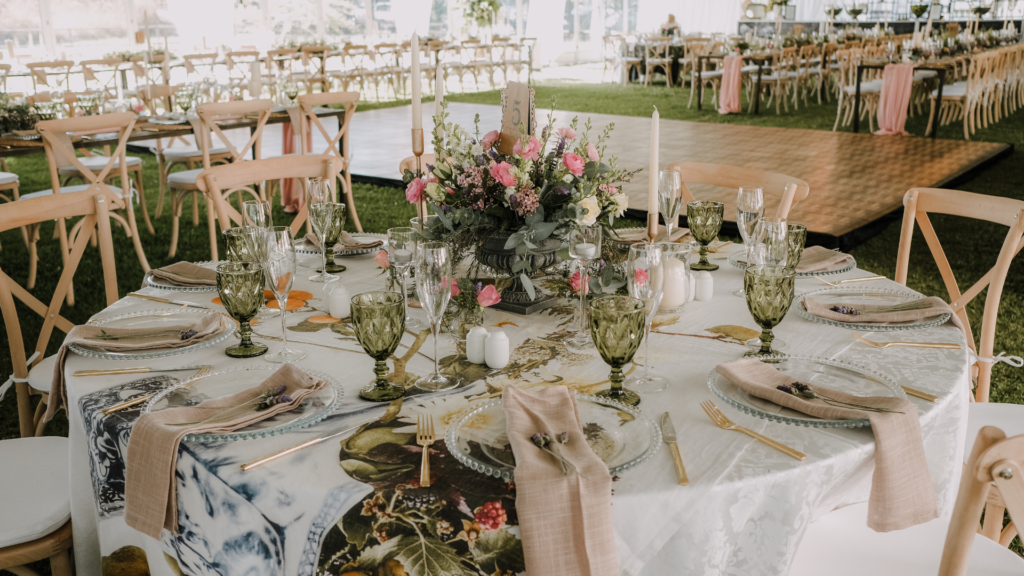
Choosing the right event venue can significantly impact the success of an occasion. It is essential to consider factors such as location, capacity, amenities, and the type of event to make an informed decision. A well-selected venue not only enhances the experience for attendees but also reinforces the event’s purpose and message. If you are planning on taking your corporate event elsewhere instead of where you are based, then you may want to look into a UK destination management company, or similar, to help you find what you need in the location of your choice, so that you are not inundated with masses of planning. Various venues offer distinct atmospheres, from corporate settings to outdoor spaces, which can influence the overall vibe. Accessibility is another critical element; ensuring guests can reach the venue easily will lead to higher attendance and satisfaction. Budget plays a crucial role in venue selection as well; understanding pricing structures helps in identifying a suitable option that aligns with financial constraints while still meeting event needs. By focusing on these key aspects, anyone can streamline the decision-making process and find the perfect venue for their event. Understanding Your Event Requirements Choosing the right venue begins with a clear understanding of specific event requirements. Key factors include the number of attendees, technical specifications, and the layout necessary for effective flow. Determining Event Size and Capacity Needs Event size is fundamental in selecting a venue. The organizer should first estimate the number of attendees. This can be based on previous events or registrations. It is essential to check the venue’s capacity. For example, if hosting 100 guests, a venue with a capacity of 150 can offer a comfortable space for mingling. Conversely, choosing a space that is too large may create a sparse atmosphere. Additionally, consider other logistical aspects like seating arrangements and stage placement. Room dimensions and seating configurations should align with the event type, ensuring an engaging experience. Assessing Technical and A/V Needs Technical requirements play a vital role in event success. The organizer must identify audio-visual (A/V) needs: sound systems, projectors, and lighting setups. Many venues offer A/V equipment, but it’s crucial to ensure it meets your event’s specific needs. For instance, a conference may require microphones and speakers, while a gala might need sophisticated lighting. To guarantee a seamless experience, consider working with an audio visual company in Hawaii or in your area that specializes in providing high-quality equipment and professional setup tailored to your event. Once the setup is all sorted, it’s important to consider the logistics and legalities of things like any music you wish to use throughout the event. Working with a service provider who can help you to get fully licensed music for commercial spaces can mean that you can use all manner of songs to entertain guests and maintain a lively atmosphere. Confirming high-speed internet connectivity is also important, especially for hybrid events that combine in-person and virtual attendance. The support of on-site technical staff can ease the setup process, so it is advisable to confirm this availability with the venue. Considering Layout and Flow Event layout influences guest interactions. The organizer should think about how attendees will move within the venue. A well-planned layout can enhance networking opportunities and create an inviting atmosphere. For example, separating the dining area from the presentation space can encourage mingling. Consideration of entry and exit points helps facilitate smooth traffic flow. Accessibility is another critical factor, ensuring all guests can navigate the venue comfortably. Creating designated areas for different activities enhances organization and improves the attendee experience. Establishing Your Budget Setting a budget is crucial for selecting the right event venue. A well-defined budget enables more informed decisions and helps avoid financial surprises later. Careful consideration of all venue-related costs ensures that the event planner remains within their financial constraints. Calculating Venue Costs Venue costs typically include the rental fee, security deposits, and any required insurance. Planners should first identify the base price of the venue and any included amenities. Consider additional elements such as: Capacity requirements: Larger venues may cost more. Location fees: Venues in prime locations can demand higher prices. Seasonal pricing: Rates may vary based on the time of year. Gather quotes from multiple venues and compare what each offers. This helps in understanding which options provide the best value for the budget. Allocating Funds for Additional Services In addition to the base venue cost, planners should budget for extra services. These may include catering, audiovisual equipment, and event setup. Creating a checklist can streamline this process: Catering services: Determine if the venue offers in-house catering or requires an external provider. AV needs: Identify if the event requires microphones, projectors, or sound systems. Furniture rental: Consider costs for tables, chairs, and decor. Allocate a specific portion of the budget to each of these services for a more precise financial plan. Anticipating Hidden Expenses Hidden costs can arise unexpectedly, so it’s essential to account for them early on. Common hidden expenses include: Service fees: Venues might charge for cleaning or setup. Taxes: Ensure to include local taxes or gratuities in the budget. Overtime charges: Verify policies regarding additional hours beyond contracted time. By proactively identifying these potential costs, an event planner can mitigate the risk of overspending and make more accurate financial projections. Location and Accessibility Choosing a venue involves careful consideration of location and accessibility. A suitable venue should be geographically convenient for attendees while providing transport and parking options. Additionally, it must ensure accessibility for all guests. Evaluating Geographical Convenience When evaluating geographical convenience, the venue’s proximity to the target audience is essential. Analyze the distance from key locations, such as hotels, airports, and local attractions. A central location may enhance attendance by reducing travel time. Consider whether the venue is situated in an area with amenities like restaurants, coffee shops, or shops. These conveniences can enhance the attendee experience. Checking local regulations and any potential noise restrictions is also important, as these factors can impact event