
How to Build a Custom Catering Menu That Wows for Exceptional Event Success
Creating a custom catering menu that impresses guests requires thoughtful planning and a clear understanding of the event’s purpose and audience. It’s essential to balance creativity with practicality, ensuring the dishes suit the occasion while accommodating dietary preferences and restrictions. A winning custom menu focuses on a curated selection of dishes that offer variety, flavor, and visual appeal, tailored specifically to the event’s theme and guest profile. This approach helps caterers stand out by delivering a memorable dining experience rather than standard fare. By carefully selecting ingredients, presentation styles, and portion sizes, the menu becomes a cohesive offering that enhances the event’s atmosphere. Understanding these key elements allows catering professionals to design menus that both satisfy and surprise guests. Understanding Event Requirements A successful catering menu stems from a clear grasp of key event details. These include the event’s nature, attendee specifics, and practical limitations like budget. Each factor shapes menu choices to suit the occasion and the client’s needs. Identifying Event Type and Theme The event type defines menu style and complexity. Weddings often call for elegant, multi-course meals, while corporate catering might prioritize efficiency, variety, and dietary inclusivity. Themes influence presentation and food selection. A rustic wedding might feature farm-to-table dishes, whereas a tech company’s event may prefer modern, minimalistic options. Customization aligns food with ambiance and guest expectations. Catering businesses benefit from asking detailed questions about event goals and style. This ensures the menu complements the occasion and enhances the overall experience. Determining Guest Count and Preferences Accurate guest numbers directly influence portion sizes and food variety. Overestimating causes waste; underestimating risks shortages. Professional caterers recommend a confirmed headcount at least one week before the event. Guest preferences and dietary restrictions shape menu inclusivity. Allergies, vegetarian or vegan choices, and cultural diets must be planned for. Offering clear labeling and diverse options respects attendees’ needs and prevents health risks. Gathering this data can involve questionnaires or direct conversations. It allows for anticipation of special requests and avoids last-minute adjustments. Evaluating Budget Constraints Budget sets the financial boundary for menu design. Caterers must balance quality ingredients, staffing, and service style within the client’s spending limit. Prioritization is crucial: clients may choose to invest more in signature dishes while reducing extras like elaborate desserts. Itemized cost estimates help clients understand where their money goes. Flexible menu frameworks work well. For example: Budget Level Menu Focus Service Style Low Simple, affordable dishes Buffet or self-service Medium Mixed dishes, some premium Plated or buffet High Gourmet, specialized items Full service This clarity supports practical decisions that meet expectations without exceeding the budget. Customizing the Catering Menu for Impact Creating a memorable catering menu requires thoughtful ingredient choices, balanced course planning, and the addition of unique flavors. These elements ensure the menu is appealing, varied, and reflective of both the season and guest preferences. Incorporating Seasonal and Locally Sourced Ingredients Using seasonal ingredients enhances flavor and freshness in every dish. Locally sourced produce reduces transportation time, preserving nutrient levels and supporting the local economy. Menus often feature seasonal vegetables like asparagus in spring or butternut squash in autumn. Including locally caught salmon, for example, can highlight the region’s best offerings. This approach also allows for flexibility as ingredients change throughout the year. Catering professionals should establish relationships with local farmers and suppliers. This ensures reliable access to quality items and lets them adjust menus based on availability without compromising on taste or presentation. Balancing Courses and Culinary Variety A well-balanced menu combines different textures, flavors, and preparation methods across courses. This keeps diners engaged and satisfied with a diverse dining experience. Typical menus include appetizers, mains, and desserts that complement each other. For example, pairing a light beet salad starter with a grilled salmon main and a citrus dessert creates a contrast in taste and heaviness. Variety should also consider dietary preferences and restrictions. Offering vegetarian, gluten-free, or low-fat options alongside traditional dishes broadens appeal and shows attention to guests’ needs. Infusing Signature Flavors and Dishes Incorporating signature elements personalizes a catering menu and distinguishes it from standard offerings. These can be special sauces, unique spices, or house-made condiments. For instance, a catering team might develop a proprietary marinade for salmon that combines smoked paprika and citrus zest. This flavor profile can be highlighted across multiple dishes to create cohesion. Dishes that tell a story or connect to the culinary heritage of the host or region add meaning. Using familiar ingredients in unexpected ways, such as a seasonal fruit chutney with roasted meats, demonstrates creativity while maintaining accessibility. Enhancing Guest Experience Through Personalization Personalizing a catering menu involves more than just food choices. It requires careful planning around guests’ dietary needs, selecting the right service style, and adding thoughtful beverage options to create a seamless experience. Accommodating Dietary Restrictions and Needs Understanding and addressing dietary restrictions is essential. Menus must clearly identify gluten-free, vegan, nut-free, and other common dietary requirements. This reduces confusion and prevents potential health issues. Customizing dishes or offering separate menu items ensures all guests feel included. Communicating these options upfront, such as through labeled buffet items or individual plates, makes the experience smoother. Including diverse protein options, alternative grains, and plant-based dishes can satisfy varying nutritional needs. Catering staff should be trained to answer questions about ingredients confidently. Choosing Service Styles for Any Occasion The choice of service style influences how guests interact with food and each other. Options like plated meals, buffets, food stations, or family-style service each carry different pacing and formality. A plated service suits formal events with a strict schedule. Buffets allow guests to customize portions and try multiple dishes. Food stations promote socializing, while family-style encourages shared, communal dining. Selecting a service style that matches the event’s atmosphere and guest preferences enhances their comfort. Coordination between kitchen timing and service flow is critical to avoid delays or overcrowding. Integrating Beverage Choices and Cocktails Beverage offerings should complement the menu and occasion. A cocktail menu tailored to pair with food items adds refinement
How Presentation Influences Taste Perception and Enhances Culinary Experience

Presentation plays a significant role in shaping how people perceive taste. The way food looks, including its color, arrangement, and plating, can influence expectations and alter the overall flavor experience. People often perceive food as tasting better when it is presented attractively, which shows that visual cues directly affect taste perception. This means that even identical dishes can evoke different reactions depending on how they are served. Understanding this connection helps chefs and food marketers enhance the eating experience beyond the ingredients alone. The visual appeal can create anticipation and satisfaction that impact how flavors are interpreted. The Science Behind Presentation and Taste Perception Presentation affects how people perceive taste by altering sensory inputs and shaping expectations. Visual cues, brain integration, scientific studies, and cognitive responses work together to influence taste perception and overall sensory experience. How Visual Cues Influence Sensory Experience Visual cues such as color, shape, and plating arrangement signal important information to the brain. These elements set expectations about freshness, flavor intensity, and quality. For example, bright, vibrant colors often indicate ripeness or stronger flavors. Changes in food presentation can modify flavor perception without altering the actual taste. A neatly arranged dish tends to be rated higher in taste and quality than a messy one. This supports the idea that consumers rely on visual inputs to prime their taste buds. Role of the Brain in Integrating Senses The brain processes information from multiple senses simultaneously, combining taste, smell, and sight to create the overall flavor experience. Areas like the orbitofrontal cortex are responsible for integrating these inputs. Visual input helps forecast taste before it reaches the tongue, influencing saliva production and enhancing or dampening the actual sensation. This neural cross-modal interaction explains why presentation significantly shapes taste perception. Research Findings on Visual Impact Studies show that food presentation affects ratings of flavor intensity, sweetness, and bitterness. For example, identical food can be rated differently depending on plating style or color contrast. One experiment demonstrated that chocolate served on a white plate was perceived as sweeter than on a black plate. Such findings highlight that visual context modifies taste perception by altering consumer perception at the sensory level. Expectations and Cognitive Effects Expectations formed by appearance influence sampling behavior and subjective taste ratings. When food looks appetizing, individuals anticipate a more pleasant flavor, which enhances satisfaction. Conversely, poor presentation can lead to biased negative taste perception. This cognitive effect arises because the brain connects visual appeal with quality, meaning consumer perception is not limited solely to taste buds but is influenced by mental associations. Elements of Food Presentation that Shape Flavor Experience Presentation plays a critical role in how taste is perceived. The use of color, texture, and plate arrangement directly affects a diner’s expectations and ultimately their flavor experience. Color and Composition in Plating Color influences appetite and taste anticipation. Chefs often use contrasting colors to create visual interest and highlight key ingredients. For example, a bright green herb garnish can emphasize freshness against a rich brown sauce. Careful composition balances colors to enhance harmony and draw attention to the main components. The use of complementary colors, such as red and green or yellow and purple, can stimulate the palate before the first bite. Color saturation and placement also affect perception. A plate dominated by vibrant hues may suggest bold flavors, while muted tones imply subtlety. The composition must be intentional to guide the eater’s focus and taste expectations. Texture and Garnishing Techniques Texture variety on a plate can enhance flavor complexity. Chefs add garnishes that introduce crunch, creaminess, or moisture to balance the main dish. Garnishes are not only decorative but functional. Crispy elements like toasted nuts or fried herbs add contrast to soft or creamy items, improving mouthfeel. Techniques like dusting powdered spices or drizzling sauces create subtle textural nuances that influence flavor perception. Proper application of garnishes requires knowledge of how textures interact with taste sensations. Visual Appeal and Plate Arrangement The arrangement of food on a plate affects how flavors are experienced. Strategic placement ensures each bite combines intended ingredients for balanced taste. Plating techniques consider symmetry, negative space, and layering. Symmetry can discipline the presentation, while asymmetry often energizes it. Negative space prevents overcrowding and maintains visual clarity. Layering food in vertical compositions can heighten anticipation and enrich flavor perception by combining contrasting elements. The overall visual appeal sets expectations that impact how diners interpret taste signals. Culinary and Consumer Perspectives Presentation plays a significant role in shaping how food is perceived and enjoyed. Both culinary professionals and consumers respond to visual cues that influence expectations and enhance the overall food experience. Culinary Arts Practices and Innovations Chefs use plating techniques to highlight textures, colors, and shapes, guiding the eater’s focus. Innovations such as edible garnishes, minimalistic plating, and geometric arrangements demonstrate the evolving standards in culinary arts. Techniques like layering flavors visually or using contrasting colors can alter perceived taste intensity. Modern chefs often collaborate with designers to refine presentation, aiming to create a balanced and memorable culinary experience. The use of lighting and plate material is carefully considered to affect perception. For example, white plates can enhance brightness and freshness, while dark plates may intensify richness. Consumer Perception and Dining Expectations Consumers often judge taste before the first bite based on visual appeal. Expectations are shaped by cultural norms, previous experiences, and presentation style. When food looks well-prepared and attractive, it prompts positive bias toward flavor. Presentation influences perceived quality and value. For instance, dishes with artistic plating are frequently rated higher in taste and satisfaction compared to the same food served plainly. Consumers are also affected by social media trends promoting visually striking food. This shifts dining expectations toward more innovative and aesthetically pleasing presentations. Impact on the Overall Dining Experience Effective presentation enhances the multisensory nature of dining by engaging sight alongside taste and smell. This holistic approach increases enjoyment and can amplify flavor perception. A strong visual appeal often correlates with higher customer satisfaction and repeat
How Plating Can Elevate Any Meal With Simple Design Techniques

Plating changes the way a meal is perceived before a single bite is taken. It creates a visual appeal that can make even simple dishes feel special and thoughtfully prepared. By arranging food with intention, plating enhances taste perception and overall dining experience. The colors, textures, and spacing on the plate guide the eater’s focus and appetite. This attention to detail can highlight the ingredients and encourage people to savor each element. Whether cooking at home or serving guests, learning basic plating techniques helps elevate any meal from ordinary to memorable. Why Plating Matters in the Dining Experience Plating shapes how diners perceive a meal from the moment it arrives. It influences appetite, taste expectations, and even emotional responses. The way food is arranged creates a powerful sensory experience that extends beyond flavor alone. First Impressions and Appetite The first visual contact with a dish can significantly affect how hungry someone feels. A clean, organized plate with balanced colors and textures tends to increase appetite, while messy or overloaded plates may reduce it. Effective plating uses negative space and contrasting colors to highlight the main ingredients. Portion size and arrangement also matter: too sparse can seem insufficient, too crowded can feel overwhelming. This balance encourages diners to anticipate each bite eagerly. How Visuals Influence Perception of Taste People often associate visual cues with flavor and quality. For example, bright colors on a plate might suggest freshness, while dull or monotone presentations can imply staleness or blandness. The art of plating uses symmetry, layering, and shape to guide the eyes and suggest complexity or simplicity in taste. Studies show that visually appealing dishes are rated as tasting better, even if the recipe is unchanged. This shows how food presentation shapes sensory expectations before eating begins. Psychological Impact of Food Presentation Food arranged attractively can evoke emotions such as pleasure, calm, or excitement. These emotional reactions can enhance the overall dining experience by fostering satisfaction beyond just hunger. Plating influences mindfulness and appreciation of the meal. When diners notice details like garnishes or arrangement, they tend to eat more slowly and savor each bite, leading to a more fulfilling experience. This psychological engagement makes food presentation a critical element in fine dining and everyday meals alike. Fundamental Principles of Food Plating Effective plating requires careful attention to the arrangement, color, texture, and portion sizes of the food. Each element plays a key role in creating an appealing dish that enhances the dining experience. Balance and Composition Balance in plating means arranging food so there is harmony between different components. It involves distributing elements evenly but avoiding symmetry that looks too rigid. Platers often use the “rule of thirds” by placing the main item off-center to create dynamic interest. Composition also includes the spatial relationship between food items and empty space on the plate. White plates are common because they provide a neutral background that highlights the food’s colors and structure. Negative space prevents overcrowding and improves visual clarity. Color Contrast and Visual Appeal Color contrast draws the eye and helps highlight different ingredients. Combining vibrant vegetables with neutral proteins can create appealing visual layers. Platers use complementary colors or contrasting hues to make dishes pop. The choice of plate affects color contrast. White plates maximize color intensity, while darker plates mute it. Using sauces or garnishes with distinct colors also lifts the presentation, adding variety without overwhelming the dish. Texture and Layering Texture offers sensory interest beyond taste and appearance. Combining crisp, soft, and creamy textures adds complexity. Layering elements vertically or stacking components can emphasize different textures and improve depth. Techniques such as placing crispy garnishes on tender bases or layering purees with solids create contrast. Texture variety also guides how diners experience flavors bite by bite, making plating more interactive and enjoyable. Portion and Plate Size Portion size must match the plate size to maintain balance. Oversized plates with small portions can feel sparse, while small plates overwhelmed by large servings look crowded. The right match enhances perceptions of value and appeal. Platers select plate sizes based on dish type and occasion. Smaller plates may suit appetizers or tasting menus, while larger plates work well for main courses. Thoughtful sizing helps control food waste and supports a refined presentation. Essential Plating Techniques and Tricks A well-plated dish combines structure, space, and detail to enhance the meal’s presentation. Mastering plate arrangement improves visual appeal and balances various elements for a polished look. Building Height and Creating Dimension Height adds interest by lifting components off the plate. Stacking protein on vegetables or layering ingredients in varying sizes creates depth. This technique draws the eye upward and makes the plate more dynamic. Using tools like ring molds helps maintain clean, structured layers. Height should be balanced to avoid toppling or overcrowding. A moderate dimension keeps the dish elegant without overwhelming the diner. Using Negative Space Effectively Negative space is the empty area around food that frames and emphasizes the main elements. Leaving parts of the plate bare prevents overcrowding and directs focus. Clean plates with intentional gaps look sophisticated. A proper balance between food and empty space guides the diner’s attention. Avoid filling the plate to its edges, as this can appear cluttered and messy. Negative space is a fundamental plotting trick to maintain clarity. Drizzling Sauce and Strategic Saucing Sauce should enhance taste and appearance without overpowering the plate. Drizzling with spoons or squeeze bottles allows control over placement and pattern. Designs such as dots, swipes, or zigzags add artistry. Sauce placement near or under the food integrates flavors while minimizing mess. Keeping sauce off the plate’s edge preserves a clean plate look. Precision in saucing projects professionalism in plating. Asymmetrical Plating for Modern Appeal Asymmetrical plating arranges food off-center or in irregular patterns to create visual tension. This approach contrasts with traditional symmetrical plating by adding interest and a sense of movement. Using odd numbers and spacing components unevenly draws attention and breaks monotony. This technique encourages creativity while maintaining
How Food Entrepreneurs Can Stand Out In A Crowded Market With Innovative Branding Strategies

In a crowded food market, standing out requires more than just a unique recipe. Food entrepreneurs must focus on creating a strong brand identity, understanding their target audience, and delivering consistent quality. The key to differentiation lies in combining innovation with clear communication of what makes their product special. Many successful food entrepreneurs leverage storytelling and connect emotionally with customers to build loyalty. They also pay close attention to market trends and customer feedback to refine their offerings continuously. By prioritizing authenticity and targeting niche markets effectively, food entrepreneurs can carve out distinct spaces in competitive environments. This strategy helps them gain visibility and foster lasting customer relationships. Defining Your Unique Selling Proposition Standing out in the food industry requires clear differentiation and a focus on what makes an offering truly unique. Successful food entrepreneurs recognize their strengths and align them with specific customer needs to create a compelling market position. Understanding Differentiation in the Food Industry Differentiation means making a product distinct from competitors through attributes like flavor, ingredients, or brand story. For example, Chobani gained traction by focusing on natural ingredients and high protein, appealing to health-conscious consumers. In crowded spaces such as keto, plant-based, or gluten-free markets, differentiation often hinges on transparency and authenticity. Entrepreneurs should analyze competitors and identify gaps, whether in product formulation or ethical practices. Clear differentiation reduces price competition and builds customer loyalty by providing unique value that resonates with specific preferences. Identifying and Showcasing Unique Selling Points Unique selling points (USPs) are the specific benefits or features that make a product stand out. These might include sourcing locally, offering clean labels, or targeting niche diets like keto or gluten-free. To showcase USPs, entrepreneurs must craft focused messaging across packaging, marketing, and online presence. Visual elements like labels highlighting “plant-based” or “gluten-free” provide immediate clarity. Using concrete examples and testimonials can also reinforce USPs. Consistency in communication strengthens brand identity and ensures the target audience quickly grasps what sets the offering apart. Aligning Offerings with the Target Audience Understanding the target audience is critical to defining a USP that resonates. Entrepreneurs should segment customers based on lifestyle, dietary needs, and purchasing habits. For instance, one group might prioritize sustainable packaging while another seeks high-protein, low-carb options common in keto diets. Tailoring products and messaging to these segments increases relevance and appeal. Direct engagement through surveys or social media helps identify evolving preferences. Offering solutions that meet specific needs strengthens connections and drives repeat business. Building a Memorable Brand Identity Creating a unique and recognizable brand identity requires thoughtful storytelling, a distinct visual style, and unwavering consistency. Each element plays a crucial role in making the brand stand out in a competitive food market. Crafting a Compelling Brand Story A strong brand story connects with customers on an emotional level. It should explain the entrepreneur’s motivation, values, and the unique qualities of their products. Focusing on authenticity is essential. Sharing challenges overcome, local sourcing, or cultural influences adds depth and trustworthiness. Clear storytelling can differentiate the brand from competitors by highlighting what makes it truly special. This narrative should be simple, relatable, and repeatedly communicated through marketing channels. Developing a Distinct Visual Identity Visual identity includes the logo, color palette, typography, and packaging design. These elements must be cohesive and reflect the brand story. Using bold and consistent colors or unique packaging shapes helps catch customers’ attention. Visual cues should evoke the brand’s personality, whether that’s artisanal, modern, or eco-friendly. Design choices should prioritize visibility on store shelves and digital platforms. This distinct visual identity aids immediate recognition and supports long-term brand recall. Establishing Consistent Branding Consistency means applying the same tone, visuals, and messaging across all customer touchpoints. This includes social media, websites, product labels, and advertising materials. Maintaining uniformity cultivates familiarity and trust. For example, using the same fonts and color schemes prevents confusion and reinforces brand identity. A style guide can help food entrepreneurs enforce consistent branding. Consistency ensures the brand stays memorable even in a saturated market. Enhancing the Customer Experience A strong customer experience relies on distinct culinary offerings, responsible sourcing, and thoughtful service. Focusing on these areas helps food entrepreneurs build loyalty and differentiate their brand in a competitive market. Creating a Signature Dish or Seasonal Menu A signature dish can act as a unique selling point that draws customers specifically to a food business. It should reflect the business’s identity and highlight the chef’s expertise or unique culinary style. Seasonal menus leverage fresh, locally available ingredients, which improves flavor and reduces costs. Offering rotating dishes based on what’s in season encourages repeat visits and keeps the menu dynamic. Signature dishes and seasonal menus together create a balance of consistency and variety. This approach ensures customers have reliable favorites but can also explore new flavors periodically. Prioritizing Sustainability and Sourcing Sustainability appeals to environmentally conscious consumers and can enhance brand reputation. Using locally sourced ingredients minimizes environmental impact and supports the local economy. Transparent sourcing builds trust by showing customers where their food originates. It also enables better quality control and helps guarantee freshness, which improves the overall dining experience. Incorporating sustainable practices isn’t limited to food alone; it can include reducing waste, using eco-friendly packaging, and energy-efficient kitchen operations to strengthen a food entrepreneur’s market position. Designing Memorable Dining and Service Touchpoints Dining experience covers more than just food; it includes ambiance, service, and interaction. Thoughtful design of the physical space and customer service process can influence satisfaction and repeat visits. Small details, such as personalized greetings, responsive service, and creative presentation, enhance customer engagement. Using technology for reservations or feedback can also streamline the experience. Consistency in these areas ensures customers feel valued and comfortable. Memorable touchpoints encourage word-of-mouth promotion and create a positive association with the brand. Driving Engagement and Loyalty Through Digital Channels Building strong connections with customers requires a strategic approach to digital tools. Entrepreneurs should focus on enhancing visibility, fostering authentic interactions, and encouraging repeat business through targeted campaigns and convenient
How Culinary Trends Are Reshaping the Modern Menu with Innovative Flavors and Techniques

Culinary trends have a significant impact on the structure and offerings of modern menus. They influence ingredient choices, presentation styles, and even the dining experience itself. These trends drive innovation, sustainability, and cultural exploration that reshape what and how people eat today. Chefs and restaurants adapt menus to meet changing consumer preferences, such as plant-based options or global fusion flavors. The evolving demand for health-conscious and ethically sourced foods also plays a key role. By responding to these dynamic trends, the modern menu reflects a blend of tradition and experimentation, appealing to a broader, more diverse audience. Key Culinary Trends Transforming the Modern Menu Modern menus reflect shifts in consumer priorities and industry innovations. Plant-based options, sustainability efforts, and personalized dining experiences are driving significant changes in menu planning and restaurant offerings. The Rise of Plant-Based Cuisine Plant-based food has become central to menu innovation due to growing consumer demand for healthier and environmentally friendly alternatives. Restaurants increasingly incorporate plant-based protein sources such as legumes, tofu, and innovative meat substitutes to appeal to vegetarians, vegans, and flexitarians alike. Menu planners focus on balancing flavor and nutrition, ensuring plant-based dishes compete with traditional animal-based meals. This shift supports wider dietary inclusivity and responds to ethical concerns about animal welfare and environmental impact. Sustainability as a Menu Pillar Sustainability now influences ingredient sourcing, waste reduction, and menu design. Many restaurants prioritize locally sourced, seasonal produce and responsibly farmed ingredients to reduce carbon footprints and support community agriculture. Menu offerings also reflect efforts to minimize food waste through creative use of all product parts and portion control. Sustainability-minded consumers expect transparency in ingredient origin and environmental impact, pushing establishments to adapt. Personalization and Customization in Dining Advances in technology and data allow restaurants to tailor menus to individual dietary needs and preferences. Personalized nutrition considers allergen restrictions, nutritional goals, and taste profiles to enhance satisfaction and health outcomes. Consumers increasingly seek customizable options that align with their lifestyle and wellness targets. This trend encourages the development of modular dishes and interactive ordering platforms, making menu adaptation integral to modern dining experiences. Global Flavors and Innovative Menu Design Modern menus increasingly reflect global influences paired with novel ingredient choices and health-driven components. Chefs blend diverse tastes and functional elements to create dishes that appeal to evolving consumer demands. Fusion and Borderless Cuisine Fusion cuisine melds culinary traditions, combining distinct global flavors into cohesive dishes. Restaurants now feature innovative plates that blend Japanese techniques with Mexican spices or Middle Eastern ingredients with European cooking styles. This approach emphasizes balance, not random mixing, ensuring that each element complements the other. It offers diners a novel experience and expands the range of possible flavor combinations. Menus often highlight the origin of these blended flavors, educating customers while emphasizing authenticity and culinary craftsmanship. Incorporating Functional Foods Functional foods, such as turmeric, chia seeds, and kimchi, are integrated for health benefits beyond basic nutrition. Their growing presence on menus aligns with consumer interest in wellness and preventative care. Chefs use these foods to enhance texture, flavor, and nutritional value. Functional ingredients are included thoughtfully to maintain taste without compromising dish appeal. Restaurants clearly label dishes featuring functional components to attract health-conscious diners and communicate the benefits of such ingredients. Premium and Unique Ingredients Chefs increasingly use rare or high-quality ingredients like saffron, truffles, and heirloom vegetables. These additions elevate dishes, emphasizing exclusivity and refined taste. Menus often showcase the provenance of such ingredients to highlight quality and justify pricing. Innovative preparation techniques maximize the flavors and textures of these premium components. This trend supports culinary innovation by encouraging chefs to experiment with unusual or enhanced inputs to differentiate their offerings. Sustainable Sourcing and Zero-Waste Practices Innovations in sourcing ingredients and minimizing waste are influencing restaurant menus. These methods contribute to environmental goals while maintaining quality and flavor. Local Sourcing and Regenerative Agriculture Local sourcing reduces transportation emissions and supports community economies. Restaurants are increasingly partnering with farms that use regenerative agriculture, a system focused on soil health and ecosystem restoration. Regenerative agriculture practices include crop rotation, cover cropping, and reduced chemical use. This approach improves soil carbon sequestration and biodiversity, which aligns with sustainability goals. The National Restaurant Association highlights local sourcing as a key trend for sustainable menus. Chefs prioritize seasonal and regional ingredients, often listing farm names to emphasize transparency and origin. Implementing Zero-Waste Cooking Zero-waste cooking aims to utilize all parts of an ingredient, reducing food waste by repurposing scraps and leftovers. This practice can involve making stocks from vegetable peels or turning stale bread into croutons. Many restaurants track waste to optimize ordering and preparation processes. Chef teams train staff on portion control and creative reuse of ingredients to lower overall waste. Such practices not only support environmental efforts but also align with cost-saving measures. The National Restaurant Association encourages zero-waste policies to enhance operational efficiency without sacrificing menu appeal. Evolving Dining Experiences and the Road Ahead Modern dining is adapting rapidly through advances in technology and a growing focus on consumer preferences. These changes actively shape how menus evolve and how restaurants operate in competitive markets. Technology and Digital Menu Integration Technology is transforming how diners interact with menus. Digital menus accessible via tablets or smartphones allow real-time updates, reducing printing costs and enabling restaurants to highlight seasonal ingredients or limited-time offers immediately. Interactive menus often include detailed descriptions, allergy information, and pairing suggestions. This enhances customer decision-making and supports culinary innovation by encouraging experimentation with new dishes. Moreover, data collection through digital platforms helps restaurants analyze consumer behavior and adjust menus accordingly. Features like contactless ordering and payment improve efficiency, catering to the demand for seamless dining experiences in fast-paced environments. Impact of Consumer Preferences on Menu Innovation Consumer demand drives significant changes in menu offerings. Increasing interest in health-conscious, plant-based, and locally sourced ingredients forces restaurants to innovate continually. Menus now frequently feature vegetarian, vegan, and allergen-friendly options to accommodate diverse dietary needs. Transparency about sourcing and sustainability also influences menu
Farm-to-Table: Why It’s More Than Just a Trend in Modern Dining

Farm-to-table is often dismissed as a passing fad, but it represents a meaningful shift in how people think about food. It emphasizes fresh, locally sourced ingredients and supports sustainable agriculture. The movement goes beyond trends by promoting transparency, quality, and environmental responsibility in food production. Beyond taste and health benefits, farm-to-table connects consumers directly with farmers. This connection fosters a deeper trust in where food comes from and how it is grown. It also helps communities thrive economically by keeping money within local systems. As awareness grows, more restaurants and households are embracing farm-to-table practices. The movement reflects a broader cultural change toward mindful eating and ethical consumption, not just a simple marketing phrase. What Sets Farm-to-Table Apart Farm-to-table dining focuses on fresh, local food sourced directly from farmers. It emphasizes ethical practices, clear food sourcing, and a connection between consumers and producers. This approach influences the culinary landscape by promoting sustainability and quality. The Principles Behind Farm-to-Table Farm-to-table prioritizes local sourcing to reduce transportation and support nearby farmers. Meals are made with seasonal ingredients, ensuring freshness and flavor. The movement encourages sustainable farming methods, avoiding excessive chemicals or mass production. It values simplicity and respect for the environment. Farm-to-table restaurants often build relationships with local farmers to guarantee quality and traceability. This connection helps protect small-scale agriculture and maintains diverse food varieties by focusing on regional crops. How the Movement Differs From Conventional Dining Farm-to-table differs from conventional dining through its supply chain, which is shorter and more transparent. Unlike large-scale food distributors, farm-to-table restaurants deal directly with local farmers. This means menus shift frequently based on seasonal availability, unlike conventional restaurants that rely on long-term, mass-produced ingredients. Farm-to-table places importance on the origin and quality of ingredients, rather than shelf life or cost-efficiency. Pricing might be higher, but it reflects fair wages for farmers and better product quality. The Role of Transparency and Food Sourcing Transparency in food sourcing is a core element of the farm-to-table movement. It allows consumers to know exactly where and how their food is grown and harvested. Farm-to-table restaurants often display information about their producers on menus or websites. This openness builds trust and educates diners about the benefits of local food. Such transparency supports accountability and encourages ethical farming practices. It also raises awareness of the environmental impacts of long-distance food transportation, promoting more conscious eating habits. Sustainability and Environmental Impact Farm-to-table practices emphasize responsible resource use, reducing waste, and protecting ecosystems. These efforts directly affect carbon emissions, soil quality, and local biodiversity, contributing to long-term environmental health. Reducing the Carbon Footprint Local sourcing cuts transportation distances, reducing fuel consumption and carbon emissions significantly. Transportation often accounts for a large share of food’s carbon footprint, so shortening the supply chain lowers overall environmental impact. Additionally, small-scale farms usually avoid heavy machinery and industrial practices that increase carbon output. This shift reduces reliance on fossil fuels and limits greenhouse gases released during production and distribution. Consumers choosing farm-to-table support agriculture that often incorporates renewable energy, nutrient recycling, and low-impact packaging, further decreasing the carbon footprint linked to their food. Supporting Biodiversity and Soil Health Local farms tend to use diverse crop rotations and avoid monocultures, which enhances biodiversity. This diversity supports beneficial insects, birds, and soil microbes essential for ecosystem balance. Healthy soil stores carbon and retains water better, reducing erosion and nutrient runoff. Practices like cover cropping and organic fertilization improve soil structure and fertility without chemical inputs. These methods bolster natural environmental resilience, enabling farms to sustain production without degrading land or harming native species. Environmental Stewardship Through Sustainable Farming Sustainable farming prioritizes long-term environmental responsibility by integrating ecological principles into daily operations. Farmers manage land to conserve water, reduce chemical use, and protect wildlife habitats. Environmental stewardship also involves community engagement and education on sustainable practices. Local farms often collaborate with consumers and organizations to promote awareness and adaptive farming techniques. Such stewardship ensures that farming remains productive while minimizing negative effects on local ecosystems, aligning economic viability with environmental care. The Benefits of Fresh, Local Ingredients Fresh, local ingredients provide clear advantages in taste, nutrition, and food safety. Using seasonal produce means food is harvested at peak ripeness, which preserves nutrients and flavor. They also reduce the need for preservatives and long transportation times common in processed foods. Nutritional Value and Food Safety Locally sourced ingredients retain higher nutritional value because they are harvested closer to consumption time. Nutrients like vitamin C and folate degrade over time, so freshness directly impacts the vitamins, minerals, and antioxidants available. Fresh produce from small farms often undergoes less processing and fewer chemical treatments. This reduces exposure to pesticides and contamination risks. Additionally, shorter transportation distances minimize opportunities for spoilage or pathogen growth, improving overall food safety. The Advantages of Seasonal, Fresh Produce Seasonal ingredients are naturally fresher and more flavorful. Eating foods in season aligns with natural growing cycles, which can enhance texture and taste. Produce picked at peak ripeness also contains higher levels of essential nutrients. Seasonal availability encourages dietary variety throughout the year and supports small farms. These farms adapt their crops to local climates, promoting biodiversity and sustainability. Seasonal produce contributes to a balanced diet rich in diverse vitamins and minerals. Moving Beyond Processed Foods Processed foods often contain additives, preservatives, and excess sodium or sugar to extend shelf life. These components can diminish nutritional value and contribute to health issues over time. Using fresh, local ingredients reduces reliance on processed items. This shift promotes whole foods with cleaner labels and fewer artificial ingredients. Fresh ingredients from local sources offer greater control over food quality and preparation methods. Strengthening Communities and Local Economies Farm-to-table initiatives play a critical role in supporting local economies and fostering community resilience. By prioritizing local food sources, these efforts help sustain farmers, promote sustainable farming, and create reliable food access. Supporting Local Farmers and Small Producers Supporting local farmers means investing directly in the people who cultivate the land and raise food. It
What Are the Latest Food Trends Shaping 2025’s Culinary Landscape
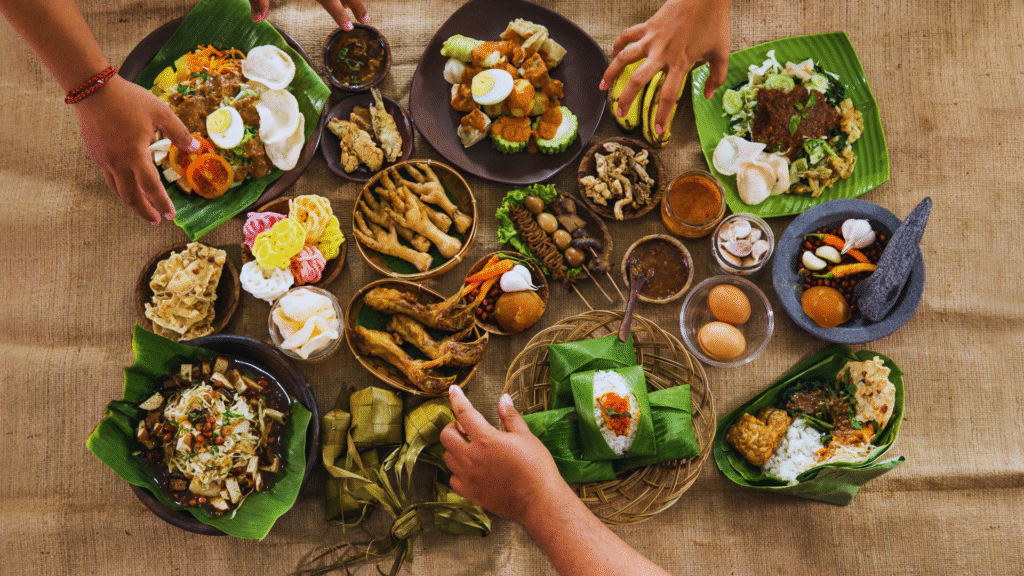
Food trends are continuously evolving, influenced by cultural shifts, health consciousness, and innovation in culinary practices. Currently, plant-based diets, sustainable sourcing, and fusion cuisines are at the forefront of the latest food trends. These movements reflect a growing awareness of environmental issues and the desire for diverse flavors. Many individuals are increasingly seeking meals that not only taste good but also align with their dietary preferences and ethical beliefs. The rise of alternative proteins, including chickpea pasta and innovative meat substitutes, showcases this transition. Additionally, sustainability has become a key focus, prompting restaurants and consumers alike to prioritize eco-friendly practices. The current trend towards convenience has led to the popularity of meal kits and ready-to-eat options, where quality ingredients meet the demands of busy lifestyles. As people become more adventurous with their culinary experiences, the appetite for global flavors and unique pairings continues to expand, transforming how meals are prepared and consumed. The Rise of Sustainability and Conscious Eating This trend emphasizes the shift toward using sustainable practices, reducing food waste, and adopting mindful consumption habits. It reflects a growing awareness among consumers regarding the environmental impact of their food choices. Sustainable Ingredients and Eco-Friendly Practices Many food brands are prioritizing sustainable ingredients to attract environmentally conscious consumers. This includes sourcing from local farms and using organic produce. Benefits of sustainable sourcing include reduced carbon footprints and supporting local economies. Additionally, practices such as regenerative farming are gaining traction, aiming to improve soil health while providing a diverse range of crops. Brands like Impossible Foods and Beyond Meat exemplify this trend by offering plant-based alternatives that appeal to consumers seeking eco-friendly options without sacrificing taste. Combating Food Waste with Innovation Innovative solutions are emerging to tackle the global food waste crisis. Currently, it is estimated that one-third of the food produced is wasted. Startups are developing smart technology that tracks food freshness and suggests recipes based on available ingredients. Initiatives like Too Good To Go allow consumers to purchase unsold food at discounted prices, reducing waste. Many restaurants are now adopting strategies to repurpose excess ingredients into new dishes. This not only addresses food waste but also offers budget-friendly meal options. Mindful Eating and Consumer Preferences Mindful eating encourages individuals to make informed decisions about their food. This practice focuses on appreciating meals while considering their impact on health and the environment. Consumers are increasingly looking for transparency in food labeling. They prefer products that are ethically sourced and produced. Reports indicate that younger generations are more willing to invest in sustainable options. They prioritize brands that reflect their values. Engaging in mindful eating can lead to healthier lifestyles while supporting sustainable practices. Emerging Flavors and Health-Focused Culinary Trends Recent culinary trends highlight a growing interest in innovative flavors and health-oriented ingredients. Home cooks and chefs alike are embracing versatile options that cater to dietary restrictions while offering exciting tastes. Plant-Based Food and Versatile Ingredients The rise of plant-based diets continues to shape culinary practices. Ingredients such as chickpeas and mushrooms are becoming staples, celebrated for their nutritional benefits and adaptability. These foods can be transformed into a variety of dishes, from hearty stews to gourmet burgers. Pistachios are also gaining attention due to their protein content and unique flavor profile. Their versatility allows them to be used in snacks, toppings, and spreads, appealing to those looking for healthier, yet satisfying, options. This trend empowers consumers to explore creative cooking while maintaining dietary preferences. Functional Foods and Probiotics Functional foods are increasingly popular for their health benefits beyond basic nutrition. Foods rich in probiotics, such as yogurt and fermented products, are becoming essential in diets focused on gut health. These ingredients help support digestion and bolster the immune system. Home cooks are incorporating functional foods into everyday meals. Items like kefir and tempeh serve as excellent sources of probiotics while adding unique flavors to a dish. This focus on health-oriented options influences not only personal choices but also the offerings in restaurants. Crunchy Snacks and Healthy Alternatives The craving for crunchy snacks has led to innovative alternatives that satisfy taste while maintaining nutritional value. Options like baked chickpea snacks and roasted seaweed provide a satisfying crunch without excessive calories or unhealthy fats. Health-conscious consumers are seeking replacements for traditional chips and crackers, focusing on ingredients that offer both flavor and nutrition. Snacks made from lentils or quinoa are becoming popular, allowing individuals to enjoy delicious textures while adhering to their health goals. This trend encourages creativity in snacking, presenting a range of choices that include dietary restrictions. Global Influences: Modern Takes on International Cuisines Cuisine today reflects a tapestry of global influences, leading to innovative interpretations of traditional dishes. From fusion culinary creations to the resurgence of classic fermented foods, these trends highlight the adaptability and creativity present in today’s kitchens. Global and Fusion Cuisine Innovations Modern cuisine often merges traditional elements from various cultures, creating fusion dishes that appeal to a diverse palate. Chefs experiment with flavors and techniques, combining Asian and European influences in unexpected ways. Examples include Korean BBQ tacos and sushi burritos, showcasing how ingredients can transcend their origins. The popularity of these dishes emphasizes a growing openness to culinary experimentation. This evolution is also evident in plant-based versions of classic recipes, accommodating dietary preferences while maintaining authentic flavors. Popular Dishes: Sushi, Ramen, Barbecue, and Sourdough Sushi continues to thrive, evolving with new fillings and creative presentations. Ramen, once a humble dish, now boasts gourmet variations topped with unique ingredients like truffle oil or miso paste. Barbecue styles from around the world influence local grilling techniques. For instance, incorporating American smoking methods into Asian marinades creates a richer flavor profile. Meanwhile, sourdough has regained popularity, especially as home bakers explore different fermentation techniques, leading to an array of artisanal bread offerings. Fermented Delights: Kimchi and Miso Fermented foods like kimchi and miso have surged in popularity due to their health benefits and unique flavors. Kimchi, with its spicy and tangy profile, is now commonly used
What to Look for in a Great Restaurant Review: Key Factors to Consider

A great restaurant review provides insights that help diners decide where to eat. Look for clarity in the reviewer’s descriptions of the food, ambiance, and service, as these elements create a comprehensive picture of the dining experience. A well-rounded review covers various aspects such as menu items, preparation techniques, and even the appropriateness of portion sizes. The credibility of the reviewer matters, too. Reviews should come from individuals who demonstrate a clear understanding of food and dining culture. A knowledgeable reviewer will offer informative comparisons to similar restaurants or highlight unique offerings that set a restaurant apart. Finally, the tone of the review can significantly impact the reader’s perception. A balanced perspective that includes both positive and negative feedback lends authenticity, making it easier for readers to trust the review and make informed decisions. Key Elements of a Great Restaurant Review A well-crafted restaurant review evaluates several crucial aspects. This includes the quality of food, the level of service, and the overall atmosphere of the dining experience. Each element plays a significant role in shaping a reader’s expectations and perception. Evaluating Food Quality Food quality is paramount in any restaurant review. Critics should describe specific dishes and highlight flavors, textures, and freshness. For instance, mentioning whether the seafood is caught daily or if the steak is cooked to the correct temperature adds credibility. It is beneficial to note the presentation as well. A dish that looks appealing enhances the dining experience. Using descriptive adjectives can help paint a vivid picture for the reader. For example, a review could detail a “grilled salmon fillet, perfectly seared, served with a zesty lemon butter sauce.” Such details allow readers to visualize the meal and determine if it aligns with their preferences. Assessing Service Standards Service standards can make or break a dining experience. Reviewers should focus on the attentiveness of the staff, the efficiency of service, and the friendliness of the environment. A good review might mention whether reservations are handled professionally or if waiting staff demonstrate knowledge of the menu. Additionally, a long wait before receiving an order can significantly impact the review. Including specifics, such as “the waiter was prompt and offered recommendations,” provides insight into what future diners might expect. Attention to service creates a fuller picture of the restaurant’s overall quality. Describing Atmosphere and Ambience Atmosphere and ambience are crucial to the dining experience. This includes the restaurant’s decor, lighting, and noise levels. Descriptions can help readers appreciate the setting, whether it’s an upscale steakhouse or a casual Rockefeller Center restaurant. Critics should describe the vibe: Is it intimate, bustling, or relaxed? Mentioning background music or decor themes can help establish the restaurant’s personality. For example, “the dim lighting and soft jazz create a charming atmosphere for a romantic evening” conveys important details. Sensory descriptions enhance the review and set expectations for potential diners. The physical layout and design of a dining space play a major role in how guests feel when they walk through the door. Restaurant owners often work with professional Shopfitters to plan these layouts so that the floor plan is both practical and attractive. A good layout makes it easy for staff to move around while keeping the dining area comfortable for guests. When a review mentions the physical space, it helps readers understand how the design affects their overall comfort. This physical setup is just as important as the menu when it comes to creating a memorable night out. Analysis of Review Structure and Tone A well-structured restaurant review balances clarity and a consistent tone. These elements are crucial for conveying a reviewer’s experience. Good reviews provide specific details, while negative reviews can offer constructive criticism effectively. Clarity and Objectivity Clarity is essential in any restaurant review. A reviewer should articulate their experiences without ambiguity. Descriptions of the food, service, and ambiance should be concise and accurate. Using concrete terms instead of vague language helps readers visualize the experience. Objectivity also plays a significant role. While personal opinions are expected, they should not overshadow facts. For instance, noting the flavor profile of a dish or the speed of service helps other diners make informed decisions. Pete Wells, a renowned food critic, exemplifies this by focusing on specific elements, illustrating the dining experience without embellishment. Reviews should avoid excessive personal bias, ensuring they remain credible and trustworthy. Consistent Tone and Voice Maintaining a consistent tone and voice throughout a review aids reader engagement. A reviewer’s personality should shine through without detracting from the content. This can be achieved by using signature phrases or a distinct writing style. A consistent voice creates familiarity, making readers more likely to trust the review. Whether a review is positive or negative, the tone should remain professional yet approachable. Negative reviews, while critical, should be constructive. A well-articulated critique provides suggestions for improvement rather than merely highlighting flaws. This balanced approach not only informs but also respects the establishment being reviewed, contributing to a more meaningful dining discourse. Evaluating Credibility and Reliability of Reviews Assessing the credibility and reliability of restaurant reviews is vital for making informed dining choices. Recognizing authentic feedback, as well as identifying bias and outliers, are essential components of this evaluation. Identifying Authentic Online Reviews When looking for genuine reviews, it is important to consider the platform. Established sites like Yelp and TripAdvisor (TA) typically feature verified reviews that provide more reliable insights. Look for reviews that include specific details about the dining experience, such as: Menu items mentioned Service quality described Atmosphere characteristics Authentic reviews usually have a balanced tone, addressing both positives and negatives. Users should also check the reviewer’s history. A robust profile with multiple reviews can indicate credibility. Inconsistent ratings from accounts with few reviews may signal attempts to manipulate perceptions. Recognizing Bias and Outliers Bias can skew perceptions, making it important to recognize it in reviews. Individual experiences may reflect personal preferences rather than universal truths. For instance, a diner who dislikes spicy food may rate a restaurant poorly, even
How to Write a Compelling Restaurant Review: Tips for Captivating Your Readers

Writing a compelling restaurant review requires a blend of detailed observations and personal insights. To craft an engaging review, one must focus on the key elements such as ambiance, service, food quality, and value. A well-rounded approach not only informs readers but also invites them into the dining experience. Readers often seek reviews that resonate with their preferences, making authenticity crucial. It’s important for the reviewer to express both the positives and negatives in a balanced manner, ensuring that potential diners receive a clear picture of what to expect. Engaging storytelling, combined with specific details, can bring a review to life. Effective restaurant reviews also consider the target audience. Knowing whether the review aims to appeal to families, couples, or foodies can shape the narrative. By keeping the content relatable and informative, a reviewer can significantly impact a reader’s dining choices. Setting the Scene for Your Restaurant Review Creating an engaging restaurant review starts with the right details about the atmosphere and the quality of customer service. These elements help paint a vivid picture for readers, allowing them to envision the setting and understand the overall dining experience. Describing Ambiance and Atmosphere Ambiance plays a crucial role in the dining experience. When describing it, consider various factors: Lighting: Is it soft and romantic, bright and bustling, or dim and cozy? Decor: Note the style—modern, rustic, or eclectic. Noise Level: Is it lively with chatter, quiet and intimate, or something in between? For example, a restaurant that balances soft jazz music with candlelit tables offers a different experience than one filled with the sounds of clinking dishes and lively conversations. Mention the temperature range as well; ideally, diners should feel comfortable. These details set the mood and influence patrons’ enjoyment of the meal. Highlighting Customer Service Exceptional customer service can elevate a meal significantly. Reviews should focus on: Staff Attitude: Were the servers friendly, attentive, and knowledgeable? Speed of Service: How long did it take for the food to arrive? Was the timing appropriate? Problem Resolution: Did staff handle any issues effectively? A restaurant that employs proactive staff who anticipate needs enhances the dining experience. For instance, a waitress who refills drinks without being asked shows attentiveness and care. Readers will appreciate knowing how these aspects shape their potential visit, aiding them in choosing the right dining spot. Evaluating Food and Menu Details This section focuses on critical aspects of the dining experience, including flavor profiles, dish classifications, and overall menu diversity. A thorough evaluation encompasses sensory attributes, noteworthy dishes, dessert offerings, and the value proposition. Assessing Taste, Texture, and Smell When reviewing food, sensory evaluation is crucial. Taste involves the detection of basic flavors—sweet, sour, salty, bitter, and umami. Each dish should present a balanced combination of these flavors. Additionally, texture plays a vital role; whether it’s a crispy crust or a creamy sauce, the mouthfeel enhances enjoyment. Smell also significantly impacts perception. Aromas should complement the dish and entice diners before the first bite. A reviewer might note if a dish smells fresh and appealing or if any off-putting scents detract from the meal’s overall experience. Reviewing Main Dishes and Cuisine The main dishes often define a restaurant’s identity, so a detailed review of these meals is essential. A reviewer should evaluate the execution of each dish, considering both presentation and flavor. Different cuisines bring unique techniques and ingredients, influencing the experience. For instance, pasta from an Italian restaurant should exhibit al dente texture and a harmonious sauce. In contrast, a Thai dish may highlight bold flavors and aromatic herbs. Identifying these elements reveals the kitchen’s proficiency and dedication to authenticity. Commenting on Desserts and Specialty Items Desserts complete the dining experience and should be evaluated for creativity and execution. Reviewers should consider not only flavor but also the presentation and portion size. Desserts can vary widely, from decadent cakes to light sorbets. Highlight unique or standout dishes, like a signature chocolate torte or seasonal fruit tart. Special items may include limited-time offerings or house specialties that showcase the chef’s skills. Assessing these will provide insight into the restaurant’s culinary innovation. Analyzing Menu Variety and Value A well-crafted menu offers a diversity of options that cater to various tastes. Reviewers should assess whether there are sufficient selections for different dietary needs, including vegetarian or gluten-free choices. Value is critical; does the quality of food justify the price point? Diners should expect to find a balance between cost and portion size. If the menu features premium ingredients or intricate preparations, it should reflect in the pricing. Comparing similar establishments can provide helpful context for evaluation. Writing a Balanced and Engaging Review A compelling review should provide readers with insightful criticism while maintaining an engaging tone. Balancing constructive feedback with positive observations enhances credibility and fosters reader trust. Offering Constructive Restaurant Criticism Constructive criticism involves detailing specific issues without being overly harsh. When highlighting weaknesses, it is important to be clear and precise. For example, instead of saying “the food was bad,” one can point out that “the pasta was overcooked and lacked seasoning.” This specific feedback can be more useful for both diners and restaurant owners. Criticism should aim to help, not to alienate. Mentioning possible improvements can offer a solution, making the review more productive. This method invites restaurants to view feedback as a chance for growth rather than resentment. Incorporating Positive and Negative Reviews A balanced review integrates both positive and negative aspects to provide a full picture. Readers appreciate transparency. Highlighting strengths, such as attentive service or a well-executed special, can enhance the credibility of any negative points raised. When writing, it is crucial to maintain neutrality. For instance, after recommending a dish that stood out, the reviewer can mention a flaw, such as a long wait time for the bill. This approach not only makes the review more relatable but also shows that the reviewer values honesty over bias. Referencing Online Platforms and Influencers Referencing reputable online platforms like Yelp and TripAdvisor lends authority to
How Presentation Elevates the Dining Experience: Enhancing Flavor Through Visual Aesthetics

The visual appeal of food plays a crucial role in the dining experience. Presentation elevates the dining experience by transforming a simple meal into an occasion that engages the senses and creates lasting memories. Thoughtfully arranged dishes not only showcase culinary skills but also invite diners to appreciate the artistry behind each ingredient. In restaurants or at home, a well-presented plate can heighten anticipation and enjoyment. The colors, textures, and even the dishware contribute to the overall atmosphere, enhancing the enjoyment of flavors and aromas. By investing in presentation, chefs and hosts can create a more immersive experience that lingers long after the meal is over. Diners often form emotional connections to their meals, influenced significantly by how food looks. This connection makes a strong case for the importance of presentation, as it can dictate the overall perception of quality and taste. Being mindful of how food is displayed allows for a deeper appreciation of the culinary experience. The Crucial Role of Presentation in the Dining Experience Presentation significantly influences the overall dining experience. It affects first impressions, shapes perceptions of food quality, and enhances taste perceptions. Attention to visual details can create an inviting atmosphere that elevates enjoyment. Visual Appeal and First Impressions Visual appeal sets the foundation for the dining experience. When a dish is beautifully arranged, it creates an immediate connection with the diner. Colors, textures, and plating techniques all contribute to this initial impression. Adornments, such as microgreens or edible flowers, add sophistication. They catch the eye and encourage curiosity about the dish. A well-composed plate may even evoke emotions, making diners more receptive to flavors. The atmosphere also plays a role. An appealing table setting, with attention to cutlery and linens, enhances visual expectations. This combination creates anticipation, as diners associate aesthetic presentation with a well-executed meal. Impact on Perceived Food Quality The way food is presented can significantly influence its perceived quality. Several studies indicate that beautifully arranged dishes are often considered tastier, regardless of actual flavor. For instance, a dish served on a textured plate can elevate its status. Diners may perceive this as a sign of attention to detail and culinary skill. Plates that feature contrasting colors tend to enhance the dish’s attractiveness. Additionally, portion size and arrangement contribute to guests’ perceptions. A neatly stacked presentation can suggest careful preparation. In contrast, a messy plate may lead to doubts about freshness and care. Stimulating the Taste Buds Presentation does more than appeal to the eyes; it can engage the taste buds too. Different colors and arrangements can influence taste expectations. Bright colors often prepare diners for a burst of flavors. Taking advantage of height and layering can create textural contrasts that intrigue the palate. For instance, a stacked dish can suggest varying tastes in each bite. This curiosity may prompt diners to sample ingredients individually. The garnishing techniques also play a crucial role in this engagement. A sprinkle of seasoning or a drizzle of sauce will not only enhance flavor but can also create visual harmony, enticing diners. Together, these elements amplify the overall enjoyment of the meal. Art of Plating: Techniques and Styles The art of plating is essential in enhancing the dining experience. Various techniques and styles exist to elevate the visual appeal of food. These methods focus on arrangement, color, and texture to create a memorable presentation. Classic and Minimalist Plating Classic plating involves traditional presentation techniques that focus on symmetry and arrangement. Dishes are often centered on the plate, utilizing the “rule of thirds,” which divides the plate into three equal sections for better composition. Minimalist plating emphasizes simplicity and elegance, often using ample negative space. The focus is on fewer elements, allowing the ingredients’ colors and textures to shine. Ingredients may be arranged in a neat, orderly fashion, showcasing their natural beauty while avoiding clutter. Creative Plating Techniques Creative plating techniques explore innovative ways to present food. Chefs may use unconventional tools like squeeze bottles or brushes to create artistic designs with sauces. Stacking or layering ingredients can add height and visual intrigue. Garnishes play a significant role in these techniques, often including edible flowers, microgreens, or unexpected elements that enhance flavor and aesthetics. Creative placements can draw the diner’s eye and stimulate curiosity about the dish. Balance of Color and Texture Balancing color and texture is vital in plating aesthetics. Contrasting colors can create vibrant visual impacts. A bright sauce against a neutral protein, for instance, captures attention immediately. Texture contrasts also enhance the overall presentation. Combining smooth elements like purees with crunchy elements such as nuts or fried shallots adds depth. This interplay invites diners to engage with the dish on multiple sensory levels, enhancing the experience further. Key Elements of Visually Appealing Dishes Creating visually appealing dishes involves various techniques that enhance aesthetics and elevate the overall dining experience. Key elements include thoughtful garnishes, careful portioning, and meticulous attention to detail. Garnishes and Edible Accents Garnishes play a crucial role in enhancing the visual appeal of a dish. They can include edible flowers, microgreens, and other edible accents that add color and texture. For instance, a sprinkle of finely chopped herbs can brighten a plate, while a few petals can introduce an elegant flair. Utilizing contrasting colors in garnishes amplifies visual interest. When paired with the main dish, garnishes should complement without overpowering. Using delicate components allows the primary ingredients to shine while enhancing the overall presentation. Portion Sizes and Food Arrangement Portion sizes significantly impact how a dish is perceived. Too much food can create a cluttered appearance, whereas well-measured portions ensure balance. The arrangement of food on the plate also influences the dining experience. Artful placement can draw attention to specific elements, guiding the diner’s gaze and appetite. Techniques such as stacking or fanning ingredients create dynamic shapes and can highlight textures. Utilizing negative space on the plate adds a modern touch, making each component stand out. Attention to Detail and Artistic Expression Attention to detail is vital in crafting visually