
Budgeting Tips for Food and Beverage Events: Maximizing Flavor Without Breaking the Bank

Planning food and beverage events can be a rewarding experience, but it often comes with financial challenges. Effective budgeting techniques can significantly enhance the overall experience while reducing stress and costs. By focusing on key strategies, event planners can make informed decisions that keep expenses in check without sacrificing quality. Understanding the essentials of food and drink budgeting allows for better allocation of resources. Prioritizing guest preferences alongside cost-effective choices can lead to a successful event. With a few smart planning steps, it is possible to create memorable gatherings that satisfy guests and respect financial limits. This blog post will explore actionable tips for managing budgets in food and beverage events. From sourcing ingredients to optimizing vendor contracts, these strategies are designed to ensure that events run smoothly and within budget. Readers will gain insights that can help transform their event planning process. Laying the Foundation for Effective Event Budgeting Establishing a solid groundwork for budgeting is crucial for successful food and beverage events. This involves understanding event objectives, identifying expenses, and setting a realistic budget that aligns with goals. Understanding Your Event Objectives Defining clear event objectives is the first step in budgeting. Objectives guide every aspect of planning, from the type of food served to the scale of the event. Several common goals include: Brand Awareness: Raising visibility for a brand or product. Client Engagement: Strengthening relationships with existing clients. Revenue Generation: Driving sales through the event. By clarifying these objectives, the event planner can prioritize resources effectively, allocate funds appropriately, and ensure that expenses align with desired outcomes. This clarity will aid in decision-making throughout the budgeting process. Identifying Key Event Expenses An effective budget hinges on comprehensive expense identification. Key categories include: Venue Costs: Rental fees and utilities. Catering Expenses: Food, beverage, and service staff. Equipment Rental: Tables, chairs, and audiovisual equipment. Creating a detailed list helps avoid unexpected costs later. Planners should also consider variable expenses such as decorations and promotional materials. By categorizing expenses, they can track spending and adjust the budget as needed. Establishing a Realistic Budget Setting a realistic budget is essential for financial success. A well-structured budget accounts for all identified expenses, allowing for contingencies. Planners should follow these steps: Gather Quotes: Obtain estimates from various vendors for comparison. Prioritize Spending: Focus on expenses that directly support event objectives. Include a Contingency Fund: Typically, 10-15% of the total budget to cover unforeseen costs. Using budgeting tools or software can streamline this process, making it easier to adjust figures and monitor expenses. A well-planned budget ensures that the event runs smoothly and meets its goals. Budgeting for Fuel and Utility Requirements Fuel and utility costs should be confirmed before catering and venue agreements are finalized, particularly when an event relies on temporary kitchens, outdoor cooking stations, patio heating, or other fuel-powered equipment. Planners should identify which party is responsible for arranging the supply, delivery, storage, and collection of any tanks or related equipment. Obtaining estimates early also makes it easier to compare delivery charges, minimum-order requirements, equipment fees, and contingency arrangements. Commercial suppliers such as https://propanesolutionsinc.com/ can be considered when planners are assessing propane requirements for an event. The final budget should account for expected usage as well as a reasonable allowance for schedule changes or extended operating hours. Managing Food and Beverage Costs Strategically Strategically managing food and beverage costs is essential for any event planner. This involves careful calculations, accommodating dietary needs, and selecting appropriate catering options to stay within budget. Calculating the Quantity of Food and Beverage Accurately estimating food and beverage quantities minimizes waste and controls costs. An established guideline is to plan for 1 pound of food per guest for entrees, with additional amounts for appetizers and desserts. For beverages, a typical estimate is 2 drinks per person for the first hour and 1 drink for each subsequent hour. Consider the event duration and the guests’ preferences. Using a table for portion estimates can help, such as: Item Quantity per Person Appetizers 4-6 pieces Entrée 6-8 ounces Dessert 2-3 ounces Non-alcoholic 1-2 cups These guidelines assist in tracking and budgeting effectively. Addressing Special Menu and Dietary Requests Special menu and dietary requests can impact costs significantly. Planners must communicate with guests in advance to identify specific dietary needs, such as vegetarian, vegan, gluten-free, or allergy-related requirements. Creating a flexible menu that incorporates some of these requests can streamline preparation and reduce costs. For example, offering a self-serve buffet allows guests to choose their preferred dishes, minimizing food waste and accommodating individual choices. Additionally, certain dietary options can often overlap with regular menu items. Incorporating these efficiently can also enhance guest satisfaction while managing expenses. Choosing the Right Catering Option Selecting the right catering option directly affects food quality and costs. Options vary from traditional full-service catering to more budget-friendly choices like drop-off catering or a self-serve buffet setup. Full-service catering often includes staff for setup and service, but comes at a premium price. In contrast, a self-serve buffet can significantly cut labor costs while allowing guests flexibility in their choices. Engaging with local caterers, like those trained by institutions such as UC San Diego Catering, can yield competitive rates and seasoned expertise. Comparing multiple quotes ensures informed decisions and can help negotiate better terms that align with the desired budget. Optimizing Event Operations and Logistical Planning Effective event operations and logistical planning can greatly influence the success of food and beverage events. Careful consideration of venue selection, equipment needs, staff allocation, and potential unforeseen expenses is crucial. Selecting the Ideal Venue and Conducting Site Inspections Choosing the right venue is foundational to event planning. Key factors include location, capacity, and amenities. Planners should conduct site inspections to verify these attributes. During an inspection, specific elements like parking availability, kitchen infrastructure, and restroom accessibility must be evaluated. Venues with sufficient prep space and storage can enhance service efficiency. It is also important to examine the ambiance and layout, as these impact guest experience. Reviewing contractual terms and
Different Dietary Restrictions: Navigating Nutrition in Today’s Diverse Diets
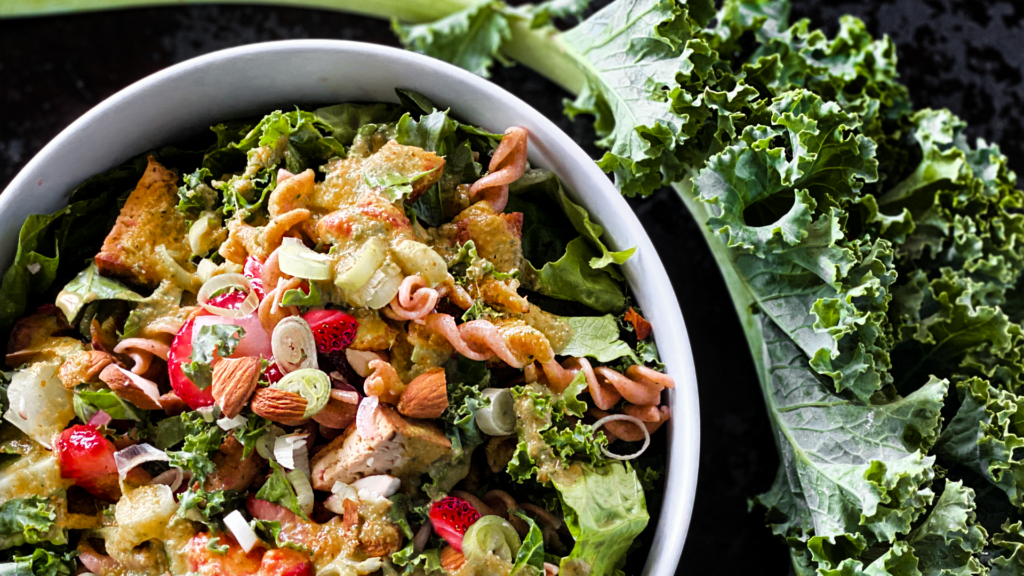
Navigating the landscape of dietary restrictions is becoming increasingly essential in today’s health-conscious society. From gluten-free and vegan to low-carb and ketogenic diets, people adopt these restrictions for various reasons, including health conditions, ethical beliefs, and personal preferences. Understanding these dietary restrictions can greatly enhance one’s approach to healthy eating and nutrient intake, promoting better overall health. Each dietary restriction has its own unique guidelines, and recognizing these can help individuals make informed decisions about their meals. For instance, someone with lactose intolerance will need to seek alternatives to dairy, while vegetarians will focus on plant-based protein sources. Knowledge of these diets allows for balanced meal planning that meets both nutritional needs and lifestyle choices. Awareness of different dietary restrictions can foster inclusivity in social settings, enhancing dining experiences for everyone involved. By respecting and accommodating various eating habits, individuals can learn to appreciate diverse culinary practices, which can lead to healthier food choices and improved well-being. Understanding Dietary Restrictions Dietary restrictions encompass various limitations individuals place on their food intake due to medical conditions, allergies, ethical beliefs, or personal choices. Recognizing these restrictions is essential for promoting health and well-being across different life stages. Types of Dietary Restrictions Dietary restrictions can be classified into several categories, each with distinct implications for health. Common types include food allergies, which can trigger severe reactions in individuals. Examples of allergens are nuts, shellfish, and gluten. Intolerance is another category, such as lactose intolerance, where the body cannot properly digest specific substances. Conditions like celiac disease require strict avoidance of gluten to prevent damage to the intestines. Chronic diseases like diabetes necessitate dietary modifications to manage blood sugar levels, while heart disease may prompt low-sodium or low-fat diets. Others might adopt vegan or vegetarian diets for ethical reasons. The Role of Nutrition in Dietary Restrictions Nutrition plays a crucial role in managing dietary restrictions. It helps individuals meet their nutrient needs while adhering to their specific limitations. For instance, those avoiding gluten must seek alternative grains like quinoa or rice to obtain the necessary fibers and vitamins. People with lactose intolerance can often benefit from lactose-free dairy products. Meanwhile, individuals with diabetes should focus on low-glycemic foods to maintain stable blood sugar levels. Awareness of food labels is vital, as many processed foods contain hidden allergens or unsuitable ingredients. Personalized meal plans created with a nutritionist can support individuals in effectively navigating their restrictions. Navigating Dietary Restrictions in Various Life Stages Dietary restrictions differ across the lifespan, from infants and toddlers to adults. For infants, specific allergens should be introduced carefully to monitor reactions, especially with common triggers like peanuts or dairy. In childhood, balanced nutrition is crucial for growth, necessitating education about food choices. Adolescents may face peer pressure regarding food, requiring guidance on making informed decisions aligned with their dietary needs. Adults managing chronic illnesses must adapt their diets to support long-term health. Older adults should focus on nutrient density to combat challenges such as obesity or heart disease. Adjustments in dietary habits throughout life stages can help maintain health and prevent dietary-related complications. Dietary Practices for Health and Wellness Dietary practices play a crucial role in achieving health and wellness. Various approaches to nutrition can support specific dietary needs and preferences while promoting overall well-being. Plant-Based Diets Plant-based diets focus on foods derived from plants, including vegetables, fruits, grains, nuts, and seeds. These diets can reduce the risk of chronic diseases due to their emphasis on nutrient-dense foods. Individuals following vegetarianism or vegan diets often experience improved health markers, such as lower blood pressure and cholesterol levels. Key components of these diets include: High fiber content Abundant vitamins and minerals Phytochemicals, which have antioxidant properties Vegans must ensure adequate intake of essential nutrients such as protein, iron, calcium, and vitamin B12, often obtained through fortified foods or supplements. Opting for a variety of foods can help meet these nutritional needs. Animal-Based Nutrient Considerations Animal-based diets can provide significant nutrients essential for bodily functions. Lean meats, poultry, and dairy are rich in protein, iron, and B vitamins. These nutrients play critical roles in muscle repair, energy production, and overall metabolic health. Including healthful animal products can offer benefits, such as: Complete protein sources, which contain all essential amino acids Bioavailable iron, which is more easily absorbed than plant-based iron For those maintaining kosher diets, attention to food preparation and combinations is required to meet both nutritional and cultural needs. Incorporating a balance of protein sources while respecting dietary restrictions can support long-term health. Balanced Eating Patterns Balanced eating patterns involve combining various food groups to ensure comprehensive nutrient intake. This approach promotes a mix of plant-based and animal-based foods tailored to individual dietary needs. Essential elements of balanced eating include: Fruits and vegetables for vitamins, minerals, and fiber Whole grains for sustained energy and additional fiber A variety of protein sources, including both plant-based proteins and lean meats Individuals with specific restrictions, such as gluten-free diets or those who prefer low-carb eating, can still achieve balanced nutrition by carefully selecting alternatives. Aim for nutrient-dense foods over processed options to promote optimal health. Incorporating Nutrients in Restricted Diets Managing dietary restrictions often requires careful planning to ensure adequate nutrient intake. This involves identifying nutrient-rich foods and addressing common deficiencies that may arise from limited food choices. Identifying Nutrient-Rich Foods Choosing foods that are rich in essential nutrients can help maintain health while adhering to dietary restrictions. Vegetables and Fruits: Leafy greens like spinach and kale are high in vitamins A and C. Brightly colored fruits, such as berries and oranges, provide antioxidants that combat inflammation. Whole Grains: Options such as quinoa, brown rice, and oats are excellent sources of fiber and B vitamins, essential for energy metabolism. Healthy Fats: Incorporating sources like avocados, nuts, and seeds offers beneficial fats that help reduce saturated fat intake, supporting heart health. Addressing Common Nutritional Deficiencies Certain dietary restrictions can lead to deficiencies in specific nutrients. Potassium: Individuals on low-sodium diets may miss out on
Kitchen Smart Technology: Revolutionizing Modern Cooking and Home Efficiency

The kitchen is becoming a hub of innovation as smart technology transforms how cooking and food preparation occurs. From smart refrigerators that track inventory to voice-activated assistants that help with recipes, these advancements are designed to streamline daily tasks and enhance culinary creativity. Smart technology in the kitchen not only saves time but also promotes efficiency, making cooking more enjoyable and less stressful. As this technology continues to evolve, it introduces new capabilities that cater to various culinary needs. Smart appliances can connect to home networks, allowing users to control them remotely and receive updates about their meals. This connectivity enhances meal planning and reduces food waste, showcasing how technology can improve everyday life. Embracing kitchen smart technology offers a glimpse into the future of cooking. Many homeowners choose to integrate these innovations during a kitchen remodel, taking advantage of the opportunity to upgrade appliances and optimize their space. With benefits ranging from ease of use to improved meal management, it is clear that these advancements are reshaping how people interact with their kitchens and can elevate any home cooking experience. Evolution of Kitchen Smart Technology Kitchen smart technology has significantly transformed over the last few decades. Initial advancements included basic electrical appliances, like toasters and microwaves, which introduced convenience. In the 1990s, the integration of timers and programmable features improved functionality. This era marked the introduction of devices such as coffee makers with timers, allowing users to automate brewing. With the rise of the internet in the 2000s, smart technology began to evolve. Wi-Fi-enabled appliances emerged, allowing for remote control and monitoring via smartphones. Notable devices include: Smart refrigerators: These offer features like internal cameras and grocery inventory tracking. Smart ovens: Many can be controlled remotely and offer guided cooking techniques. The advent of voice-activated assistants has propelled further integration. Users can now rely on smart speakers to control kitchen devices hands-free, making cooking more intuitive. Recent developments focus on advanced artificial intelligence, providing personalized recipes and cooking tips based on user preferences. Additionally, energy-efficient smart appliances help users monitor and reduce energy consumption. The continuous evolution of kitchen smart technology emphasizes automation, connectivity, and user convenience, reflecting a broader trend in the smart home landscape. The Smart Kitchen Ecosystem The smart kitchen ecosystem integrates various technologies to enhance efficiency and convenience in cooking and food management. It includes smart appliances, integrated systems, and IoT connectivity that together create a cohesive environment. Smart Appliances Smart appliances serve as the backbone of the smart kitchen. These devices include refrigerators, ovens, dishwashers, and microwaves that offer advanced functionalities. Many smart refrigerators can monitor inventory and suggest recipes based on available ingredients. Smart ovens often come with features such as remote preheating and cooking programs that users can control via mobile apps. Dishwashers now feature sensors that adjust water usage based on load size. These appliances communicate with each other, allowing for synchronized cooking and cleaning processes. Integrated Systems Integrated systems are designed to centralize controls within the kitchen. These systems often utilize a hub or app that connects all smart devices, making management seamless. For instance, a kitchen hub might allow a user to adjust the oven temperature while monitoring the refrigerator’s content. Voice-activated systems, such as Amazon Alexa or Google Assistant, play a crucial role in integration. They enable users to control appliances hands-free—like starting a coffee maker while prepping ingredients. This integration enhances convenience and fosters a more cohesive kitchen experience. IoT Connectivity IoT connectivity allows appliances to communicate over the internet, creating a networked kitchen environment. Each smart device collects data and exchanges information to optimize performance. For example, a smart thermostat can adjust based on the user’s cooking habits to maintain comfortable temperatures. Additionally, connectivity enables remote access. Users can check their kitchen appliances’ status from anywhere. Notifications can alert users about cooking times or maintenance needs, enhancing user engagement and appliance longevity. This interconnectivity is fundamental to the functionality of the smart kitchen ecosystem. Leading Smart Kitchen Devices Smart kitchen devices enhance functionality, convenience, and efficiency in modern kitchens. They integrate technology to transform everyday cooking and food management tasks. Smart Refrigerators Smart refrigerators feature advanced connectivity options that enable users to monitor and manage food inventory remotely. Many models include touchscreens, allowing for easy access to recipes and meal-planning tools. These devices often come equipped with cameras that scan the contents and notify users when items are running low. Energy-saving modes can significantly reduce electricity usage, contributing to both environmental sustainability and decreased utility bills. Brands like Samsung and LG offer models with built-in voice assistants for hands-free operation. Additional features include food expiration tracking and customizable temperature settings for specific compartments. This technology ultimately keeps food fresher and reduces waste. Smart Ovens and Stoves Smart ovens and stoves offer precision cooking through Wi-Fi connectivity. Users can control cooking functions from their smartphones, enabling remote cooking adjustments and preheating. Many smart ovens come with integrated cooking programs that adjust temperature and cooking time based on recipes. They often feature sensors that monitor food doneness, allowing for perfect results. Voice-activated controls are also a common feature, enhancing usability. Leading brands like Breville and GE provide models that integrate with smart home systems, allowing seamless integration with other devices. These appliances can also send notifications when cooking is complete, ensuring a stress-free experience in the kitchen. Smart Cookware and Utensils Smart cookware and utensils include innovative products that improve cooking techniques. Intelligent pots and pans can monitor temperature and adjust cooking times automatically. Devices like smart thermometers allow users to track internal food temperatures from their smartphones. Using a connected food thermometer can help ensure that dishes reach safe and optimal cooking temperatures, especially when preparing meats or delicate recipes. This ensures meats are cooked to perfection without constant monitoring. Other connected kitchen tools include smart scales that can help with precise ingredient measurements. Brands such as Instant Pot and Anova are leading in this category, offering sous-vide devices that simplify gourmet cooking. These advanced tools
Cooking Paleo: The Essential To Preparing Delicious And Healthy Meals

Eating healthy is a goal that many of us strive for, but knowing what to cook and how to make it can be quite a challenge. In this article, we’ll cover the basics of cooking Paleo-style meals, from the ingredients you’ll need to the tips and tricks that will help you get creative in the kitchen. Get ready to discover how simple and delicious Paleo cooking can be! What is the Paleo Diet? The Paleo diet is a nutrient-dense whole foods diet based on eating various quality meat, seafood, eggs, vegetables, fruits, nuts, and seeds. It eliminates processed foods, grains, sugar, dairy, legumes, and starches. This diet is based on believing that our bodies are designed to function optimally when fueled by the nutrients found in whole foods. Processed foods, grains, sugar, dairy, legumes, and starches can cause various health problems, including weight gain, inflammation, and digestive issues. Paleo followers believe that by eliminating these problematic foods and eating a nutrient-dense diet of whole foods, they can achieve optimum health. There is a growing body of research supporting the health benefits of the Paleo diet. Benefits of the Paleo Diet There are many benefits to following the Paleo diet, including improved health and weight loss. The Paleo diet is based on eating whole, unprocessed foods naturally low in calories and nutritious. This type of eating has been shown to improve health and help with weight loss. Following a Paleo diet can improve cholesterol levels and blood sugar control. The Paleo diet can also help reduce inflammation, which is linked to many chronic diseases. In addition, the Paleo diet is high in fiber and healthy fats, which are essential for good health. Essential Kitchen Tools for Paleo Cooking Paleo cooking is all about creating healthy, nutritious meals using simple, whole ingredients. And while you don’t need a ton of kitchen gadgets and gizmos to make delicious Paleo meals, there are a few essential tools that can make your life in the kitchen a lot easier. Here are the necessary kitchen tools for Paleo cooking: A good quality knife: A sharp knife is an important tool for any cook, but it’s essential when following the Paleo diet. Many recipes require chopping and slicing of fresh produce and meats, so having a good quality knife will make prep work a lot easier. A food processor: This can be a big help when making Paleo meals, especially if you’re new to the diet. It can chop vegetables, blend sauces and dressings, and even make homemade nut butter. A slow cooker: This is a great way to cook tough cuts of meat that would otherwise take forever to cook on the stovetop. It’s also perfect for making soups, stews, and other one-pot dishes. An Instant Pot: An Instant Pot is a newer kitchen gadget quickly becoming a favorite among Paleo cooks. It’s essentially an electric pressure cooker that can cook food quickly and easily. It’s perfect for busy weeknights when you want to get dinner on the table fast. Types of Foods Allowed on the Paleo Diet There are a variety of foods that are allowed on the Paleo diet. These include meats, fish, fruits, vegetables, nuts, and seeds. Meats such as chicken, beef, and pork are allowed. Fish such as salmon, tuna, and trout are also allowed. Fruits and vegetables such as apples, bananas, carrots, and spinach are permitted. Nuts and seeds such as almonds and sunflower seeds are also allowed. How to Plan and Prepare Paleo Meals If you’re following the Paleo diet, you know that simple, whole foods are essential. But just because your meals are healthy doesn’t mean they have to be boring. With some planning and prep work, you can whip up delicious Paleo meals that will make eating healthy a breeze. Here’s how to get started: Make a list of your favorite Paleo-friendly foods. This could include anything from vegetables and fruits to lean meats and seafood. Stock your kitchen with these items, so you always have them for meal prep. When it comes time to cook, plan by choosing recipes that fit into your busy schedule. You can even make some meals ahead of time to save time during the week. Don’t be afraid to get creative in the kitchen! There are endless possibilities when it comes to creating delicious Paleo meals. Just use your imagination and get creative with your ingredients. By following these tips, you’ll be well on your way to cooking up delicious and healthy Paleo meals every day of the week! Sample Recipes Paleo cooking is all about simple, fresh ingredients. Here are some delicious paleo recipes to get you started: Lemon and herb-roasted chicken breasts Creamy cauliflower and bacon soup Roasted Brussels sprouts with balsamic vinegar Grilled salmon with avocado salsa Chicken piccata with zucchini noodles Beef chili with sweet potato “toast.” Cooking Paleo can be difficult for a beginner, but with the correct information and guidance, it can be a gratifying and enjoyable experience! We hope that this article has helped provide you with the essential knowledge to get started. With some practice, you’ll soon be creating delicious paleo meals that everyone will love. If you’re looking for more tasty recipes or would like additional help on your cooking journey, there are plenty of resources available online to suit all skill levels. Enjoy exploring the world of paleo cooking today!
Things to Know When Frying Your Favorite Foods

Frying foods is one of the most popular ways to cook, and for good reason. It’s quick, simple, and often produces delicious results. But if you are not careful, frying can also produce some pretty nasty results. From a burnt meal to a grease fire in your kitchen, it pays to know what you are doing when you start frying. In this article, we’ll discuss some essential things you should know when frying your favorite foods. From the right temperature to proper oil maintenance and more, you’ll be sure to have a successful and safe fry each time with these helpful tips. The Different Types of Frying Frying is a popular cooking method that involves submerging food in hot oil. This method can be used to cook a variety of foods, including meats, vegetables, and even some desserts. There are several different types of frying, each with its benefits and drawbacks. The most common types of frying are pan frying, deep frying, and shallow frying. Pan Frying: Pan frying is a type of dry heat cooking where the food is cooked in a shallow pan over direct heat. This method is often used for small cuts of meat or vegetables that need to be cooked quickly. The main benefit of pan frying is that it allows the food to retain its natural juices and flavor. However, this method can also be tricky as it is easy to overcook the food or burn it if the pan gets too hot. Deep Frying: Deep frying involves submerging the food in hot oil. This method is often used for foods that need to be cooked evenly all the way through, such as chicken or fish. The main benefit of deep frying is that it cooks the food very evenly and consistently. However, this method can also be unhealthy as it adds a lot of extra fat and calories to the food. Shallow Frying: Shallow frying is similar to deep frying, but only involves submerging the food in oil up to halfway. This method is often used for foods that do not need to be cooked all the way through, such as eggs or pancakes. The main benefit of shallow frying is that it adds less fat and calories to the food than deep frying. However, this method can also be tricky as it is easy to overcook the food or burn it if the oil gets too hot. Pros and Cons of Frying When it comes to cooking, many different methods can be used to prepare food. One popular method is frying. Frying is a type of cooking that involves submerging food in hot oil and cooking it until it is crispy and golden brown. Frying is a quick and easy way to cook food, which is why it is so popular. However, there are some downsides to frying that you should be aware of before you start cooking your favorite foods in this manner. One downside to frying is that it can add a lot of extra calories and fat to your food. When oil is heated up and then used to cook food, the food absorbs some of the oil, which adds calories and fat content. If you are watching your weight or trying to eat healthy, fried foods may not be the best choice. Another downside to frying is that it can produce harmful chemicals called advanced glycation end products. These chemicals form when protein or fat molecules react with sugar molecules at high temperatures, such as when frying. AGEs have been linked with increased inflammation and oxidative stress, which can contribute to several chronic diseases such as heart disease and diabetes. If you do choose to fry your foods, there are some things you can do to minimize the risks. Use healthier oils such as olive oil or avocado oil instead of vegetable oil. Cook at lower temperatures so the food doesn’t absorb as much oil. And drain fried foods on a paper towel to remove excess oil. Overall, frying is a popular cooking method that can be used to quickly and easily prepare food. However, it is important to be aware of the potential downsides of frying so you can make an informed decision about how you want to cook. The Best Type of Oil to Use for Frying When it comes to frying, there are a few different types of oils that you can use. Each oil has its benefits and drawbacks, so it’s important to choose the right oil for your needs. For instance, if you are looking for an oil with a high smoke point, you might want to opt for vegetable oil or peanut oil. These oils can withstand higher temperatures without smoking or burning. On the other hand, if you are looking for an oil that will add flavor to your food, you might want to go with olive oil or coconut oil. These oils have lower smoke points, but they will add a bit of flavor to your food. Ultimately, the best type of oil to use for frying is the one that best suits your needs. So be sure to choose wisely! How to Fry Foods When frying foods, there are a few things to keep in mind to ensure that your food comes out perfectly crispy and delicious every time. Be sure to heat your oil to the correct temperature, if the oil is too hot, your food will be burnt on the outside but not cooked through, and if the oil is not hot enough, your food will be greasy and oily. Be sure to use a neutral-flavored oil like canola or vegetable oil so that it does not impart any flavor to the food. When adding food to the hot oil, be sure to do so gently so that the oil does not splatter and burn you. Finally, once your food is cooked, be sure to drain it on a paper towel-lined plate to remove any excess oil before
Delicious Kosher Dishes: A Comprehensive Guide To Cooking Kosher Meals

Have you ever wondered what it takes to make delicious, Kosher meals? Today, we’ll explore the world of kosher cooking and discover some fantastic dishes that will tantalize your taste buds. From simple breakfast ideas to mouthwatering dinner recipes, read about the art of preparing traditional kosher dishes and why they are so special. Kosher food is a type of cuisine that adheres to Jewish dietary laws. These laws are based on Leviticus 11:1-47 and Deuteronomy 14:2-21, which specify which animals can be eaten (and how they must be prepared), which foods are forbidden, and how to avoid contamination from non-kosher items. There are many different kosher foods available, and the rules for what is considered kosher can vary depending on the interpretation of the law. However, some common kosher foods include chicken, beef, fish, fruits, vegetables, and grain products. People of all faiths can enjoy kosher food; it is not just for Jewish people. If you’re interested in trying out some delicious kosher dishes, check out our comprehensive guide below. We’ve got recipes for everything from classic matzo ball soup to modern takes on traditional favorites like latkes and kugel. Different Types of Kosher Dishes There are many different types of kosher dishes, each with its unique flavor and ingredients. Here are some of the most popular kosher dishes: Beef brisket – This is a traditional Jewish dish often served on holidays and special occasions. The beef brisket is cooked in a unique way that makes it tender and juicy. It is usually served with vegetables and mashed potatoes. Chicken soup – This is a delicious soup that is perfect for a winter meal. It is made with chicken, vegetables, and noodles. Chicken soup is often served with matzo balls or dumplings. Latkes – These are potato pancakes that are traditionally served during Hanukkah. They are made with shredded potatoes, eggs, and flour. Latkes can be filled with sour cream or applesauce. Challah – This is a type of egg bread that is often braided and baked in a round shape. Challah is traditionally eaten on Sabbath and holidays. It can be served plain or with raisins or other fruit added to it. Kiddush – This is a unique drink often drunk at the beginning of Sabbath meals or other festive occasions. Kiddush is made with wine or grape juice, honey, and spices such as cloves and cinnamon sticks. Essential Ingredients for Kosher Cooking Kosher salt: This is used to season food and to make it more palatable. It is also used in the preparation of some kosher dishes. Water: This is used for cooking food and cleaning utensils and surfaces. Vegetables: These are used in many kosher dishes, both as ingredients and as garnishes. Fruits: These are often used as snacks or as part of a kosher meal. Meat: This is the main ingredient in many kosher dishes. It must be prepared in a specific way to be considered kosher. Poultry: This is another type of meat that is commonly used in kosher cooking. It, too, must be prepared in a specific way to be considered kosher. Tips and Tricks For Preparing Delicious Meals One of the best things about kosher cooking is that it is so versatile. You can prepare delicious kosher meals using various methods and ingredients. Here are some tips and tricks to help you get the most out of your kosher cooking experience: Experiment with different spices and flavors to find the perfect combination for your taste buds. Use fresh, seasonal ingredients whenever possible for the best flavor and nutrition. Take advantage of slow cookers and other time-saving devices to make meal prep easier. Don’t be afraid to get creative in the kitchen! Kosher cooking is all about experimentation and finding what works for you. Most importantly, have fun with it! Cooking should be enjoyable, so find recipes and techniques that fit your style and taste. We hope that this comprehensive guide to cooking the best kosher meals has given you a good idea of the delicious dishes that can be cooked using Kosher ingredients. We have highlighted some classic recipes and also listed some modern takes on old favorites. Whether you are looking for something traditional or more adventurous, there is certainly no shortage of excellent Jewish cuisine to explore!
Protein-Packed Recipes: Fuel Your Body With These High-Protein Meals

Eating a balanced diet is essential for feeling healthy and energized. But if you are looking to take your nutrition game up, look no further than high-protein meals. In this article, we’ll explore some delicious recipes packed with the fuel your body needs to stay strong and healthy. Protein is an essential macronutrient that helps our bodies function correctly. It plays a role in everything from muscle growth and repair to hormone production and cell communication. Getting enough protein is vital for everyone, but it’s essential for athletes, bodybuilders, and people trying to lose weight. When it comes to protein-packed recipes, there are endless possibilities. You can go the traditional route and cook a steak or chicken breast, or get creative with your proteins and make a vegetarian chili or a hearty lentil soup. No matter what your preference is, there is a protein-packed recipe out there for you. To help you fuel your body with the right amount of protein, we’ve compiled a list of our favorite high-protein recipes. These meals contain nutrients that will help you build muscle, lose fat, and perform your best. Why Is It Important? Protein is an essential part of a healthy diet. It helps to build and repair tissues, produce enzymes and hormones, and boosts immune function. Protein-rich foods can also help you to feel fuller for longer, making them ideal for weight loss or management. There are many different types of protein-rich foods available, including meat, poultry, fish, eggs, dairy products, legumes (beans and lentils), nuts, and seeds. When choosing protein foods, it is essential to select those low in saturated fat and cholesterol. High Protein Breakfast Recipe Ideas Greek Yogurt with Fruit and Nuts: Start your day with this filling breakfast packed with protein from Greek yogurt, fruits, and nuts. Egg and Avocado Toast: This quick and easy breakfast is perfect for on-the-go mornings. It’s loaded with protein and healthy fats to satisfy you until lunchtime. Protein Pancakes: These are a delicious way to start your day and fuel your body with protein. Top them with fruit, nuts, or syrup for a delightful breakfast. Quinoa Breakfast Bowl: This hearty breakfast bowl is filled with protein-rich quinoa, eggs, and veggies. It’s an excellent option for those mornings when you need something substantial to eat. Breakfast Burrito: This protein-packed burrito is perfect for busy mornings. Fill it with eggs, cheese, sausage, or bacon for a satisfying breakfast that will keep you full until lunchtime. High Protein Lunch Recipe Ideas Grilled Chicken and Avocado Salad: This salad is packed with protein, healthy fats, and fiber to keep you full and satisfied. Turkey and Swiss Roll-Ups: These roll-ups make a perfect high-protein lunch or snack. Salmon and Veggie Bowl: This bowl is full of nutritious ingredients and heart-healthy omega-3 fatty acids. Quinoa and Black Bean Burrito Bowl: This burrito bowl is a vegetarian option high in protein and fiber. Greek Yogurt Parfait: This parfait makes a great breakfast or lunch option and can be tailored to your liking with different fruits, nuts, and seeds. High-Protein Dinner Recipe Ideas If you’re looking for some high-protein dinner ideas, look no further! These recipes are packed with protein and sure to fuel your body. From hearty stews to light and refreshing salads, we’ve got something for everyone. And if you’re looking for a little something extra, be sure to check out our list of high-protein side dishes. So what are you waiting for? Get cooking! Vegetarian/Vegan Recipe Options If you’re looking for some delicious and healthy vegetarian or vegan recipes that are high in protein, look no further! Here are some of our favorite recipes that are sure to give you the energy you need to power through your day: Black Bean and Quinoa Burritos Bowls: This hearty bowl is packed with protein-rich black beans, quinoa, and veggies. Top it off with your favorite hot sauce or salsa for a flavor-packed meal. Vegan Chickpea Curry: This curry is made with protein-rich chickpeas and is full of flavor. Serve it over rice or quinoa for a complete meal. Roasted Cauliflower Steaks with Tahini Sauce: Cauliflower steaks make a great vegan main dish. Serve them with a tahini sauce for a boost of protein and flavor. Protein-Packed Vegetarian Chili: This chili is loaded with protein-rich beans and vegetables. It’s the perfect meal to warm you up on a cold day. Snack Ideas for On the Go There are plenty of healthy snacks that you can take with you on the go! Here are some great ideas: A hard-boiled egg A handful of nuts or seeds A piece of fruit A small container of yogurt A veggie wrap or sandwich A protein shake or smoothie Protein-rich meals are an essential part of a healthy and balanced diet. These protein-packed recipes provide creative, tasty meal ideas to help you reach your nutrition goals without compromising flavor or satisfaction. Whether you’re looking for a light snack or a hearty dinner, these high-protein meals will keep you feeling full and energized throughout the day. So take some time to try out these scrumptious recipes and fuel your body with the nourishment it needs!
Different Food Groups: A Comprehensive Guide To Eating Healthy

Eating healthy is one of the best things you can do to improve your overall health and well-being. But with so many food groups to choose from, it can take time to know what you should include in your diet. To make it easier, we have developed a comprehensive guide exploring the different food groups and how they work together to create a balanced, nutritious diet. Read on to find out more! Different Food Groups Vegetables: Vegetables are a good source of vitamins and minerals. They can be eaten cooked or raw. It is recommended to eat 2-3 cups of vegetables per day. Fruits: Fruits are a good source of vitamins and minerals. They can be eaten fresh, canned, frozen, or dried. It is recommended to eat 1-2 cups of fruit per day. Grains: Grains are a good source of vitamins and minerals. They can be eaten cooked or raw. It is recommended to eat 3-5 ounces of grains per day. Protein: Protein is a good source of vitamins and minerals. They can be eaten cooked or raw. It is recommended to eat 5-6 ounces of protein per day. Dairy: Dairy is a good source of calcium and vitamin D, essential for bone health. Dairy products include milk, cheese, yogurt, and ice cream. It is recommended to eat 2-3 cups of dairy products per day. Grains and Starchy Vegetables Grains and starchy vegetables are an essential part of a healthy diet. They provide the body with carbohydrates, which are a significant source of energy. There are many different types of grains, such as wheat, rice, oats, and barley. Starchy vegetables include potatoes, peas, and corn. These foods can be cooked and eaten in a variety of ways. Whole grains are the best type of grain to eat. They contain all parts of the grain kernel, including the bran (outer layer), germ (innermost layer), and endosperm (starchy middle layer). Whole grains are more nutritious than refined grains because they retain more fiber and nutrients. The recommended daily intake of grains is 6-8 ounces for adults. This can be met by eating one or two servings at each meal. A serving size is one slice of bread, 1 ounce of dry cereal, or 1/2 cup of cooked rice or pasta. Starchy vegetables are a good source of carbohydrates and should be included in a healthy diet. They contain more starch than other vegetables and are a good source of fiber. The recommended daily intake for starchy vegetables is 1-2 cups for adults. A serving size is 1/2 cup cooked or one small potato. Eating a variety of grains and starchy vegetables will help ensure that you get all the essential nutrients your body needs. Fruits Regarding eating healthy, fruits are an essential part of a balanced diet. They are packed with minerals, vitamins, and fiber that can help boost your health. Here is a comprehensive guide to incorporating fruits into your diet: Fruits are a great source of vitamins and minerals. Make sure to include a variety of fruits in your diet to get the most benefit. They are also a good source of fiber. Fiber helps to keep you regular and can also help lower cholesterol levels. When choosing fruits, try to opt for fresh or frozen over canned. Canned fruits often have added sugar and preservatives that can negate the health benefits. If you have trouble incorporating fresh fruits into your diet, consider adding them to smoothies or yogurt for an easy way to get your daily dose. Proteins Proteins are an essential macronutrient that plays a significant role in our body. They are the building blocks of our muscles, skin, and bones. They are also crucial for hormone production, enzyme function, and cell signaling. There are two main types of proteins: complete and incomplete. Complete proteins contain all 20 amino acids our bodies need to function correctly. Incomplete proteins lack one or more of these amino acids. Animal-based foods such as fish, poultry, meat, eggs, and dairy are typically complete proteins. Plant-based foods such as grains, legumes, vegetables, and nuts are typically incomplete proteins. It’s important to note that our bodies can’t store protein like they can with other macronutrients (fat and carbs). This means we must consume protein daily to maintain muscle mass and other vital functions. The recommended dietary allowance (RDA) for protein is 0.36 grams per pound of body weight or 0.8 grams per kilogram. For example, a sedentary woman who weighs 150 pounds (68 kg) needs 54 grams of protein per day, while a man who weighs 200 pounds (91 kg) needs 72 grams of protein per day. Athletes and people who do strenuous exercise may require even more protein. If you’re not getting enough protein from your diet, you may experience muscle loss and fatigue, Healthy Fats and Oils There are a lot of different types of fats and oils out there, and it cannot be obvious to know which ones are healthy and which ones aren’t. Here is a quick guide to the different types of fats and oils and which ones are good for you: Saturated fats are found in animal products such as meat and dairy, as well as in some plant-based foods like coconut oil. They’re solid at room temperature. They raise your LDL (bad) cholesterol levels, so you want to limit how much you eat. Unsaturated fats are found in plant-based foods such as nuts, seeds, and avocados. They’re liquid at room temperature. There are two main types of unsaturated fat: monounsaturated and polyunsaturated. Monounsaturated fats raise your HDL (good) cholesterol levels, while polyunsaturated fats lower your LDL cholesterol levels. Both types of unsaturated fat are good for you in moderation.
Delicious Turkey Recipes For Every Occasion: A Comprehensive Guide
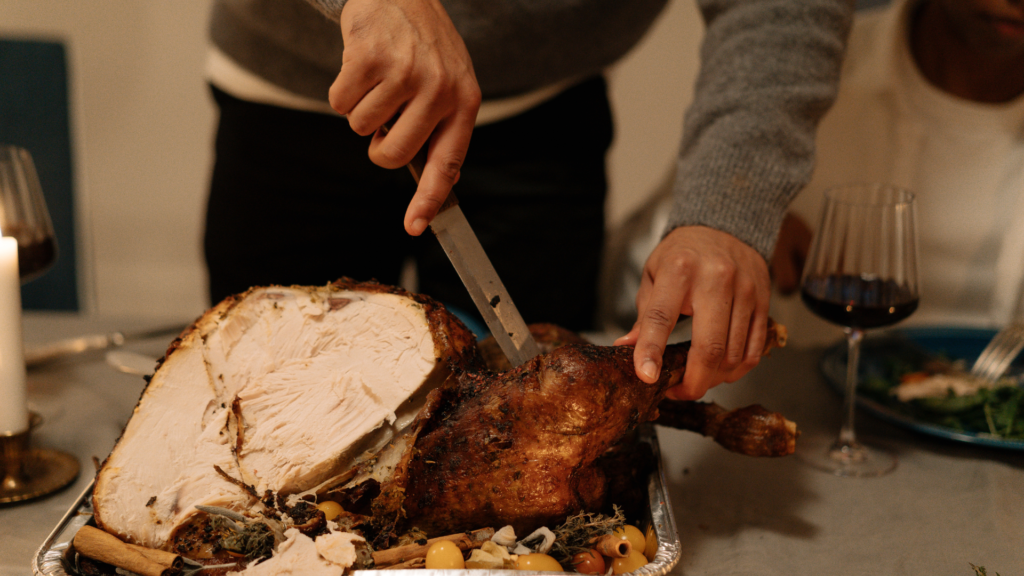
No matter the occasion, turkey is always a popular dish to serve! Whether you’re hosting a small gathering or having a big family dinner, turkey can be the centerpiece of your meal. In this guide, we’ll provide delicious and easy-to-make turkey recipes that are perfect for all occasions. From roasted to deep-fried and everything in between, find out which recipes will please everyone around the table! Roasted Turkey Recipes When it comes to turkey, roasted is always the way to go. Whether you’re looking for a classic Thanksgiving turkey recipe or something a little different for your holiday dinner, we’ve got you covered. Here are our top roasted turkey recipes: Classic Roast Turkey: This recipe is the perfect way to roast a turkey for your traditional Thanksgiving feast. It’s simple, delicious, and sure to please everyone at the table. Herb-Roasted Turkey: If you want to add a little flavor to your roast turkey, try this herb-roasted recipe. The herbs give the turkey a delicious taste that will make your guests ask for seconds. Maple-Glazed Roast Turkey: This maple-glazed roast turkey is perfect for those who want a sweeter take on their holiday bird. The maple syrup gives the skin a crispy, caramelized flavor that keeps everyone hooked. Citrus-Herb Roasted Turkey: This recipe is perfect if you want to add a little zest to your roast turkey. The citrus flavors brighten up the dish and pair perfectly with the herbs. Your guests will be impressed by this unique twist on a classic Thanksgiving favorite. Smoked Turkey Recipes When it comes to smoked turkey, there are endless possibilities for recipes. Whether you’re looking for a traditional Thanksgiving feast or something different, we’ve covered you. Here are some of our favorite smoked turkey recipes: Smoked Turkey Breast with Rosemary and Thyme: This recipe is perfect for those who want all the flavor of a smoked turkey without all the work. Season your turkey breast with rosemary, thyme, and salt, then smoke it until cooked. Smoked Turkey Legs with Honey and Mustard Glaze: These flavorful turkey legs are rubbed with a honey and mustard glaze, then smoked to perfection. Serve them with your favorite sides for a delicious meal. Smoked Turkey Thighs with Apple Cider Brine: These juicy turkey thighs are soaked in an apple cider brine before being smoked, resulting in incredibly moist and flavorful meat. Serve them with roasted potatoes and vegetables for a complete meal. Deep Fried Turkey Recipes If you’re looking for a delicious and unique way to prepare turkey, look no further than deep frying! This cooking method can yield a perfectly cooked bird that’s crispy on the outside and juicy on the inside. Plus, it’s sure to impress your guests! Here are some of our favorite deep-fried turkey recipes: Simple Deep-Fried Turkey: This recipe is perfect for those who want to keep things straightforward. It uses a basic marinade of garlic, salt, and pepper before being fried in peanut oil. Cajun Deep Fried Turkey: For a little bit of spice, try this Cajun-inspired recipe. It uses a dry rub of paprika, cayenne pepper, garlic powder, and more before being fried in canola oil. Herb-Crusted Deep Fried Turkey: If you’re a fan of herbs, you’ll love this recipe! It features a flavorful mixture of rosemary, thyme, sage, and parsley, coating the outside of the turkey before it’s fried in olive oil. Slow Cooker Turkey Recipes When it comes to cooking a turkey, the slow cooker should be noticed. But slow cookers can be a great way to cook a turkey, especially if you need more time or want to avoid the hassle of an oven. Here are three slow-cooker turkey recipes that are sure to please: Slow-Cooker Turkey and Stuffing: This classic Thanksgiving dish can be easily made in the slow cooker. Simply layer stuffing mix, diced onion, celery, and cubed turkey breast into the slow cooker and let it do its thing. Slow Cooker Turkey Breast: If you’re looking for a lighter option, this recipe for slow cooker turkey breast is perfect. It’s easy to make and only requires a few ingredients: turkey breast, onion soup mix, water, and butter. Slow Cooker Turkey Legs: These flavorful turkey legs are cooked until they’re fall-off-the-bone tender. They’re perfect for a holiday dinner or an easy weeknight meal. Simply season the turkey legs with your favorite spices and cook them in the slow cooker until they’re done. Thanksgiving Recipe Ideas for Turkey When it comes to Thanksgiving, turkey is the star of the show. But if you’re looking for something different this year, we’ve covered you. From traditional roast turkey to deep-fried turkey to turkey pot pie, we’ve rounded up our all-time favorite recipes for the big day. And since we know that only some people like to cook, we’ve also included a few no-cook options, like our make-ahead cranberry sauce and pumpkin pie bars. So whatever your holiday plans entail, we’ve covered you with these delicious Thanksgiving recipes. Turkey recipes make a delicious centerpiece for any meal. With its versatility and nutritional value, it is one of the most popular proteins used in cooking. This guide has provided several ideas on how to use turkey to create unique dishes that are sure to be enjoyed by all. From comforting casseroles, hearty soups, tasty sandwiches, and more – these turkey recipes are perfect for every occasion! Now that you have some inspiration, why not get creative and start experimenting? Bon appetit!
Tricks to Save Money on Pizza Delivery

Pizza delivery is an easy way to feed a crowd, but it can get expensive. With the cost of ingredients, plus delivery fees and tips, the costs can add up quickly. But there are ways you can save money without sacrificing your taste buds! In this article, we’ll explore a few simple tricks to help you save on pizza delivery. From skipping the toppings to using coupons and promo codes, there are plenty of ways to enjoy your favorite pie without breaking the bank. So read on for some tips that will have you ordering pizza more often (and saving money)! Pizza Delivery Hacks to Save Money Pizza delivery is a convenient way to enjoy your favorite food without having to leave your home. However, it can be expensive, especially if you order from a popular chain restaurant. Luckily, there are a few hacks you can use to save money on pizza delivery. Order Early or Late Many restaurants offer discounts for orders placed during their off-peak hours. So, if you’re flexible with when you eat, try ordering your pizza for lunch or dinner instead of during the dinner rush. Take Advantage of Specials and Promotions Many pizza places offer deals like “buy one get one free” or “two large pizzas for the price of one.” If you know about these specials in advance, you can plan your order accordingly and save some cash. Join a Rewards Program If you frequently order pizza for delivery, sign up for a rewards program through the restaurant or a third-party service like Pizza Hut Rewards or Domino’s Piece of the Pie Rewards. You’ll earn points with every purchase that you can redeem for future discounts or freebies. Use Coupons Before placing your order, do a quick search online for coupons or promo codes that you can apply to your purchase. You might be surprised at how much money you can save just by using a simple code! Take Advantage of Online Specials and Coupons Pizza delivery can be a great way to save money on your favorite food. Here are some tips to help you take advantage of online specials and coupons: Check for online specials and coupons before ordering. Many pizza places offer discounts when you order online. Compare prices between different pizza places. You may be able to find a cheaper option if you take the time to look around. Consider ordering a large pizza instead of multiple small pizzas. This can often save you money, especially if you take advantage of deals like “two large pizzas for the price of one.” Ask about any promotions or specials that may be going on before you place your order. Some pizza places offer discounts for first-time customers or ordering during certain times of the day or week. Pay Cash Instead of Using a Credit or Debit Card Pizza delivery can be a big money saver compared to dining out, but convenience comes at a price. If you’re looking to save even more money on your next pizza delivery, consider paying cash instead of using a credit or debit card. While it’s easy to just hand over your card and be done with it, paying with cash can save you quite a bit of money. Credit and debit cards often come with fees for foreign transactions, and even if your card doesn’t have those fees, the exchange rate can still add up. Paying with cash eliminates all of those fees, so you’ll end up spending less overall. In addition, many pizza places offer discounts for cash payments. So not only will you avoid fees, but you could also get a lower price on your pizza. It’s a win-win! Pizza delivery is an easy way to satisfy your cravings without having to leave the house. With a few simple tricks, you can save money on pizza delivery and still get exactly what you want. Consider using coupons or promotions, ordering directly from the restaurant instead of third-party apps, taking advantage of loyalty programs and discounts, buying in bulk when available, splitting orders with friends and family members who live nearby, and being mindful about when you order so that you don’t end up paying higher fees for delivery at peak times. All these tips can help you get more pizza for less money.